If you own a flat bottom work boat, you’re looking for practical accessories and reliable bottom coatings that protect, support loading and unloading, and keep hull surfaces clean. This guide highlights five top products suited for flat-bottom boats like skiffs and jon boats. It explains who should consider each item, why it was selected, and any limitations to be aware of. A quick buying table at the start helps you compare key features at a glance.
| Product | Best For |
|---|---|
| Pangda Boat Trailer Bow Stop | Trailer loading/unloading and 1/2-inch shaft compatibility |
| Rust-Oleum Marine Flat Boat Bottom Antifouling Paint | Below-waterline fouling prevention on new or refitted hulls |
| TotalBoat Antifouling Bottom Paint (Various) | Frequent-use boats in salt or fresh water requiring ablative protection |
| TotalBoat Aluminum Boat Paint (Various) | Aluminum or galvanized hulls and trailers needing durable finish |
Pangda Boat Trailer Bow Stop Flat Heavy Duty Roller

This flat-bottom trailer bow stop is designed to help flat-bottom boats load and unload smoothly. It is best for anglers and boat owners who trailer their skiffs or jon boats and want a dependable stop for 1/2-inch shafts. The rubber material is thick and durable, resistant to Marine environments, and the unit can replace many factory rollers on compatible trailers. Use this when you need a simple, low-profile roller that reduces hull contact and supports easy forward movement onto the bunks.
Who it’s best for: boaters with flat-bottom boats that frequently trailer and need a non-marring, durable roller solution. Why chosen: it offers a robust rubber block suitable for 3 x 3 inch dimensions and aligns with common trailer shaft sizes. Caution: verify shaft and mounting compatibility with your specific trailer model to ensure a secure fit.
Rust-Oleum Marine Flat Boat Bottom Antifouling Paint

This antifouling bottom paint is formulated to prevent fouling on fiberglass, wood, or steel hulls by slowly releasing copper biocide. It’s suitable for boats used in saltwater or freshwater and can be recoated after four hours, with a full launch window around 16 hours. Coverage is up to 110 square feet per quart, making it a practical option for regular maintenance or first-time hull protection. Best for boats that spend time in the water and need ongoing antifouling protection.
Who it’s best for: owners needing an economical, single-season antifouling solution for various hull materials. Why chosen: it offers copper biocide release for fouling prevention and relatively quick readiness. Caution: ensure your hull surface is properly prepped and follow safety guidelines for copper-based coatings.
AngryMonkey Mens Canvas Slip On Loafer Work Boat Shoe

Unlike traditional deck shoes, these canvas slip-on loafers are designed for breathable comfort and easy wear. They feature a cushioned insole and a breathable upper with durable stitching. This makes them suitable for light-duty work aboard a flat-bottom boat or when moving around the dock. Best for: boat crews needing comfortable off-water footwear and casual on-water use. Limitation: not designed for heavy-duty wet-weather work or extreme traction needs.
TotalBoat Underdog Marine Antifouling Bottom Paint
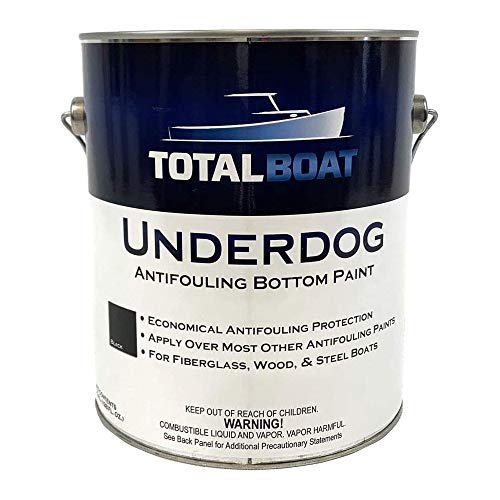
Underdog is an economical antifouling bottom paint designed for fiberglass, wood, and steel hulls. It uses copper biocide to deter barnacles and mussels and is suitable for boats that are used frequently in saltwater or fresh water. The formula is ablative, wearing away gradually as the boat moves, which minimizes paint buildup and makes next-season prep easier. Best for: boats requiring dependable one-season protection with easy maintenance. Caution: verify surface preparation requirements for optimal adhesion.
TotalBoat JD Select Ablative Antifouling Bottom Paint (Quart)

This ablative antifouling paint is designed to prevent barnacles, weeds, and slime on fiberglass, wood, and steel boats in both salt and fresh water. The self-polishing film wears away as the boat moves, reducing paint buildup and facilitating easier sanding next season. It is low odor and low VOC, with easy cleanup using soap and water. Best for: boats requiring a low-odor, eco-conscious antifouling solution with straightforward maintenance. Caution: ensure compatibility with local marina rules regarding VOCs and coatings if applicable.
TotalBoat JD Select Ablative Antifouling Bottom Paint (Green, Quart)
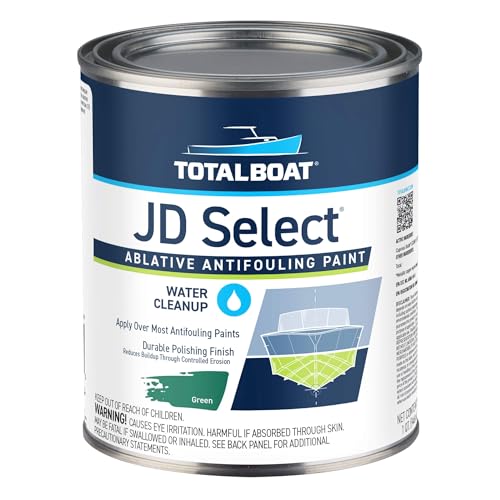
This green ablative antifouling coating shares the same self-polishing advantages as the quart variant, suitable for fiberglass, wood, and steel hulls in salt or freshwater. It minimizes bottom paint buildup so you spend less time sanding next season and can be burnished for improved smoothness and speed. Best for: boats that spend significant time in water and benefit from reduced maintenance. Caution: confirm environmental guidelines at your docking facility for low-VOC products.
TotalBoat Aluminum Boat Paint (Flat Dark Earth, Quart)
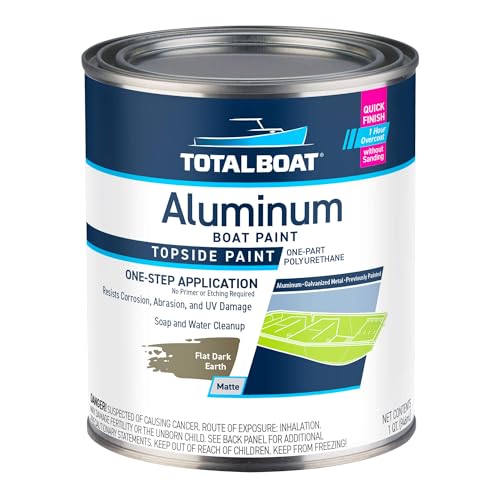
Specially formulated for aluminum and galvanized metal, this paint provides improved adhesion and strong resistance to chips, scratches, peeling, and chemical damage. The low-sheen finish is suitable for canoes, jon boats, trailers, and other aluminum equipment. It’s a one-part polyurethane paint that dries quickly and requires no priming. Best for: aluminum hulls and trailers needing a durable, camouflage-friendly coating. Caution: prep and etch surfaces as directed for best adhesion; avoid applying in extreme heat or humidity.
Buying Guide
What materials is your flat bottom boat made of?
Hulls can be fiberglass, wood, steel, or aluminum. Antifouling paints and coatings vary by material; choose products specifically labeled for your hull type. Aluminum requires corrosion-resistant finishes; fiberglass and wood use compatible antifouling formulations.
What is your typical use and environment?
Heavy-use boats in saltwater demand more durable coatings with multiple applications per season. For trailer components, select hardware-friendly rollers and bow stops that resist marine weather and abrasion. Consider whether you trailer often or store in water to guide your selection of antifouling products and maintenance items.
How important is ease of application and cleanup?
Low-VOC, low-odor options with simple cleanup are preferable in marinas with environmental restrictions. Ablative coatings reduce sanding work next season, but require proper surface prep for adhesion. Always follow label directions for best results.
Durability vs. cost
Premium antifouling paints offer longer protection and easier maintenance but come at a higher upfront cost. For boats used episodically, economical antifouling can be sufficient. If you regularly do long launches or beaching, opt for more robust coatings and consider reapplication intervals accordingly.
Compatibility and installation tips
Check shaft sizes, mounting patterns, and trailer compatibility for rollers and bow stops. For hull coatings, prep typically involves cleaning, etching or sanding, and moisture-free surfaces. Test a small area first to verify adhesion before full-scale application.
Summary of key considerations
- Choose products tailored to hull material and usage pattern.
- Prefer low-odor, low-VOC coatings when marina rules apply.
- Use compatible trailer components to prevent hull damage and ensure smooth loading.
- Follow application and curing times precisely for best protection.
FAQ
- What is the main purpose of antifouling paints on flat bottom boats?
To prevent organisms like barnacles and slime from attaching to the hull, improving performance and fuel efficiency.
- Can I use any antifouling paint on aluminum boats?
No. Aluminum-specific coatings provide better adhesion and corrosion resistance on aluminum hulls.
- Is ablative coating better than hard antifouling for frequent launching?
Ablative coatings wear away as the boat moves, reducing buildup. They’re often favored for frequent launches in varying waters.
- Do I need to remove old coatings before applying a new layer?
Yes. Proper surface preparation ensures adhesion and long-term performance; consult product labels for specifics.
- Are low-VOC paints as durable as traditional options?
Durability varies by product. Many low-VOC formulas offer comparable protection with the benefit of easier cleanup and fewer fumes.