Answering the question of how to get a go-kart to perform on water starts with choosing engines, accessories, and kits designed for lightweight, amphibious-style setups. This guide highlights five practical options for go-kart enthusiasts aiming to experiment with water-based fun or simply powering go-karts and related equipment. The picks balance compatibility, durability, and ease of use for hobbyists and DIY builders. Ideal buyers include small-build hobbyists, parents seeking safe electric options for kids, and power-tool users upgrading small engines for go-karts, water pumps, or pressure washers.
Overview of selected products:
| Product | Best Use | Key Benefit |
|---|---|---|
| FitBest GX160 Carburetor | Go-karts and small engines | Wide engine compatibility and OEM replacement parts |
| XJD Electric Go Kart | Kids’ go-karting and beginner users | 12V dual motor, remote control option, safety features |
| 7.5 Hp 212cc Gas Engine – LiaoDaza | Heavy-duty go-kart yards and water pump projects | High power with large fuel capacity |
| YSHUSTGY GX160 7.5HP Engine | Go-kart engines and outdoor equipment | Durable construction and reliable performance |
| Go-Karting Stickers Pack | Customize go-karts | Variety of waterproof decals |
FitBest GX160 Carburetor For Honda GX Engine Replacement
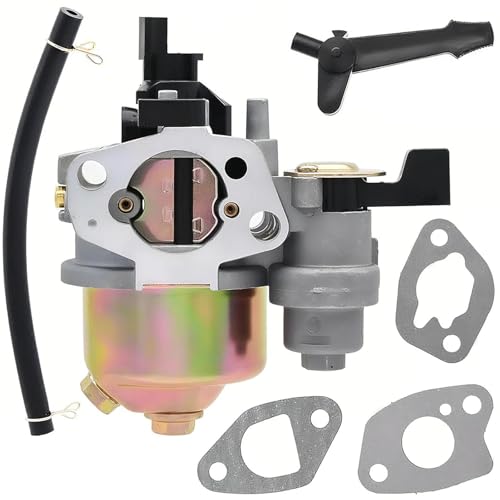
Best for: go-kart builds using Honda or Predator-based engines within the 5.5HP–6.5HP range. This carburetor is designed to replace multiple part numbers to fit a broad set of small engines, making it a versatile choice for DIY go-kart projects.
Why selected: Its wide compatibility reduces the need for multiple parts, easing installation on common go-kart powertrains and water pump setups often used in light-duty amphibious builds. The included OEM cross-reference ensures easier replacement without custom machining.
Limitations: Requires proper tuning after installation to avoid fueling inconsistencies; improper adjustment can impact performance. Ensure you match engine model numbers before purchase.
XJD Electric Go Kart For Kids

Best for: younger riders or beginners seeking a controlled, kid-friendly go-kart experience. This electric kart emphasizes safety features and user-friendly operation.
Why selected: The 12V dual-drive motor permits straightforward braking and acceleration via pedals, while a high-strength steel frame and ABS body provide a stable driving environment. A remote-mode option adds parental supervision during first rides.
Limitation: A safety gear package is not included, so you’ll want to provide helmets and pads for kids before use. Charge times and runtime depend on battery usage patterns and terrain.
7.5 Hp 212cc Gas Engine – LiaoDaza

Best for: users needing robust power for go-karts, water pumps, or auxiliary equipment where continuous running and higher torque are beneficial.
Why selected: The engine offers strong power output (approximately 3000W) and a sizeable fuel tank, enabling longer operation between refuels, which is useful for extended go-kart sessions or multi-use DIY rigs.
Limitation: The engine is a gas-powered unit requiring fuel handling and maintenance knowledge; it’s heavier and louder than electric counterparts, which may affect noise-sensitive environments.
YSHUSTGY GX160 7.5HP 212cc Engine

Best for: durable, reliable engine options for go-karts and other outdoor equipment where consistent power and longevity are priorities.
Why selected: This engine combines GX160 specs with a reliable 7.5HP output, supported by a rugged construction that resists wear over time in varied outdoor conditions. It also suits projects like pressure washers and small generators as alternative power sources.
Limitation: Gas engines require ongoing maintenance, including spark plug replacement and carburetor care; ensure proper fueling practices to avoid performance issues.
Go-Karting Stickers Pack – 50 Pcs

Best for: personalizing go-karts and water-themed builds with durable visuals and water-resistant decals.
Why selected: The 50-piece set provides a wide range of patterns, allowing creative customization without compromising durability on outdoor surfaces. It’s a practical accessory to personalize a go-kart project or water-efficient builds.
Limitation: Stickers perform best on smooth surfaces; rough textures may reduce adhesion over time. Ensure surfaces are clean before application.
Buying Guide
What type of go-kart project am I pursuing?
Define whether the goal is a kid-friendly electric kart, a gasoline-powered rig for light-duty tasks, or a mixed-use build that can operate briefly on water. Electric models prioritize safety and simple maintenance, while gas engines emphasize power and prolonged use.
Which power source is most suitable?
Electric go-karts are typically safer for children and quiet in operation. Gas-powered engines offer higher torque and longer run times, which can be advantageous for heavier builds or tasks like water pumps or heavy-duty demonstrations.
How important is engine compatibility?
Check engine compatibility with your chassis and accessories. For go-karts using Honda or Predator-style engines, a versatile carburetor like the FitBest GX160 can simplify replacements across multiple platforms.
What safety considerations should I prioritize?
Prioritize seat belts or harnesses, helmets, knee pads, and protective gear. For electric go-karts, ensure proper charging safety and weatherproofing. For gas engines, follow fuel handling and maintenance guidelines to prevent overheating and spills.
How should I customize or upgrade over time?
Stickers and decals are a cost-effective way to personalize a kart. Consider modular upgrades, such as a more powerful engine, improved braking, or enhanced suspension, as your experience and needs evolve.
Practical quick-start checklist
- Confirm engine and chassis compatibility before purchasing parts.
- Inspect safety features and wear protective gear for riders.
- Plan for maintenance schedules, especially for gas engines.
- Prepare a simple testing area away from water hazards when experimenting with water-based setups.
FAQ
- Can a go-kart be safely used on water?
This depends on the design and safety measures. Standard go-karts are not intended for water use; only specific builds with buoyant materials, waterproofing, and controlled testing should be considered, and local regulations should be followed. - What engine type is easiest for beginners to start with for go-karts?
- Are OEM parts necessary for reliability?
- What kind of safety gear should be used with a kid’s go-kart?
- How do I extend the runtime of a gas go-kart engine?
- What should I consider when customizing a go-kart with water-based features?
Gasoline-powered engines offer strong torque and longer operation, but electric go-karts are typically easier for beginners due to simpler maintenance and operation. Consider the rider’s age and experience when choosing.
OEM or cross-compatible parts reduce installation hassles and ensure consistent performance, particularly for carburetors and engines used in multiple brands.
Helmets, knee pads, and appropriate footwear are recommended. For electric karts, ensure functional braking and speed controls appropriate for the rider’s age.
> Regular maintenance, correct fueling practices, and a properly sized fuel tank help. Avoid running the engine at max RPM for extended periods to prevent overheating.
> Assess buoyancy, weight distribution, waterproofing of electrical components, and safety during testing. Use components designed for outdoor or marine environments where applicable.