When choosing a deep cycle battery, the top concern is reliable, long-lasting power for RVs, boats, solar setups, and off-grid cabins. The following five batteries are selected for strong deep-cycle performance, maintenance-free design, and clear value across common applications. This guide helps buyers pick the right balance of capacity, discharge strength, and suitability for series or parallel configurations. The buyer types best served by each option are noted where relevant.
Summary of selected products at a glance:
| Product | Brand | Capacity | Best For |
|---|---|---|---|
| Renogy Deep Cycle AGM 12V 100Ah | Renogy | 100Ah | RV, camping, cabin, off-grid with moderate power needs |
| Newport 12V 50Ah Deep Cycle AGM | Newport Vessels | 50Ah | Lightweight marine trolling motors and compact boats |
| Weize Deep Cycle AGM 12V 100Ah | WEIZE | 100Ah | RV, solar, trolling motor, wind, off-grid projects |
| Renogy 12V 200Ah Deep Cycle AGM | Renogy | 200Ah | Higher-demand off-grid, cabins, large RV setups |
| Interstate Marine 12V 100Ah AGM | Interstate Batteries | 100Ah | Marine dual-use, trolling motors and accessories |
Renogy Deep Cycle AGM 12V 100Ah Battery

Key features: AGM chemistry, safe, maintenance-free, supports series (no limit) and parallel (up to 4P) connections. Renogy emphasizes safety and low self-discharge with a long history of use in RVs, cabins, and off-grid systems. This 100Ah model delivers reliable deep-cycle power for moderate loads and is well-suited for users wanting a straightforward, maintenance-free solution.
Best for: RV owners and campers who need a dependable 12V battery with simple expansion options. Choose this if you want a proven, safe AGM battery with easy installation and multi-battery configurations. Caution: do not exceed recommended parallel limits; ensure proper ventilation during charging.
Newport 12V50Ah Deep Cycle AGM Marine Battery

Key features: lightweight at about 32 lbs, sealed AGM design, trolling motor compatibility, and reliable power for marine use. It suits smaller boats or vessels where weight matters and space is limited. The sealed construction reduces leakage risk and supports easy maintenance. Best for: boaters who need a compact, leak-proof battery for trolling motors and basic onboard power.
Caution: 50Ah capacity may require more frequent recharges on high-demand loads or longer trips; plan switchovers to avoid deep discharges.
Weize Deep Cycle AGM 12V 100Ah Battery

Key features: AGM design, maintenance-free, 3% self-discharge, 1150A max discharge current, robust for RV, solar, trolling motors, wind, and off-grid systems. Weize emphasizes low self-discharge and strong discharge capability, making it a versatile choice for mixed-use setups and longer storage. Best for: users who need a reliable, all-around 100Ah option across multiple off-grid or marine projects. Caution: ensure proper temperature conditions to maximize lifespan.
Renogy Deep Cycle AGM 12V 200Ah Battery

Key features: 200Ah capacity, maintenance-free AGM, low self-discharge, and high discharge current up to 2000A. This model is positioned for larger RV setups, cabins, or off-grid systems with higher energy demands. Best for: heavy-load users who want fewer battery changes and more energy storage for longer periods. Limitation: larger physical size requires adequate space and mounting capacity.
Interstate Marine 12V 100Ah AGM Battery
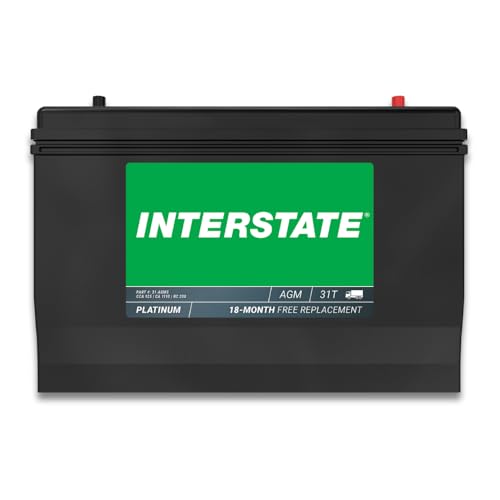
Key features: 2-in-1 deep-cycle and high-cranking power with thick plates designed for long life in marine environments. This model emphasizes durability for boats, trolling motors, and accessories, offering extended service life vs. conventional AGM batteries. Best for: boat or RV owners who need robust, dual-use power for motors and onboard systems. Caution: not a drop-in replacement for all automotive battery applications; follow marine-use guidelines.
Interstate Batteries Marine/RV 12V 70Ah AGM Battery

Key features: dual-purpose design for marine and RV use, robust deep-cycle power, and a longer life than conventional flooded batteries. It can serve as both a starting and trolling battery in smaller rigs. Best for: users seeking a balance of size, weight, and dual-purpose capability. Limitation: 70Ah may require more frequent recharging for high-demand gear or longer remote adventures.
OPTIMA Bluetop D34M Deep Cycle Battery

Key features: SpiralCELL technology, 12V 750 CCA, 55Ah capacity, 120 minutes reserve capacity, and dual mounting options. This model emphasizes deep-cycle reliability with strong starting power in all weather. Best for: users who need dependable starting power and robust cycling for marine or RV applications. Caution: higher weight and requires compatible mounting hardware for secure installation.
WEIZE 12V 35Ah Deep Cycle Battery (Pair)

Key features: set of two batteries with compatibility for scooters, wheelchairs, and smaller power needs, suitable for 24V configurations when wired in series. This option is useful for compact setups or as a supplementary power source for mobility devices or portable systems. Best for: users needing a lightweight, modular pair for 24V configurations or auxiliary power. Limitation: 35Ah per unit means more frequent recharges for high-demand devices.
Buying Guide: Key Considerations for Deep Cycle Batteries
What capacity fits your demand? Typical RV, marine, and off-grid setups benefit from 100–200Ah in a single battery or more when multiple packs are used in parallel. For lighter loads, 50–100Ah can suffice. Plan for peak draw and reserve capacity to avoid deep discharges.
Which chemistry matters? AGM is maintenance-free with good safety and spill resistance. Lead-acid variants are common, while lithium options exist but often at higher cost. For most buyers in RVs, boats, and off-grid cabins, AGM provides a good balance of price, safety, and performance.
How important is weight and size? Smaller vessels and compact RVs benefit from lighter batteries (50–100Ah). Larger off-grid cabins may justify larger 200Ah or higher packs. Check dimensions and mounting space before purchase.
How flexible should the setup be? If you expect to upgrade to higher power, look for batteries that support parallel connections (and series if needed) with clear limits. Ensure compatibility with existing power electronics and chargers.
What about longevity and self-discharge? Batteries with low monthly self-discharge and robust cycle life reduce maintenance and replacement frequency. OEM specifications and maintenance requirements guide long-term reliability.
FAQ
- What is the advantage of AGM batteries for marine and RV use? They are maintenance-free, sealed, and resistant to leaks, with good resistance to vibration and a stable discharge profile.
- Can I mix different brands in a single system? Mixing chemistries or brands is generally not recommended due to differences in voltage, capacity, and charging characteristics.
- Do these batteries require special chargers? Use a charger compatible with AGM lead-acid batteries and follow the manufacturer’s charging profile to maximize lifespan.
- Is higher Ah always better? Higher Ah provides longer runtime, but it also adds weight, size, and cost. Choose a capacity that matches your load and space.
- How do I extend battery life in cold weather? Store and charge within the recommended temperature range and avoid deep discharges; consider a battery Warmer or insulation when feasible.
- What is the difference between 100Ah and 200Ah in real-world use? 200Ah delivers roughly twice the usable energy at the same discharge rate, reducing the frequency of recharges for higher demand setups.