Answer: If you need a compact, easy-to-handle engine for a small boat or inflatable craft, these five outboard motors offer a balance of power, reliability, and fuel efficiency. They are suitable for anglers, hobbyists, and aquaculture work. Each selection targets different boat sizes, fuel types, and maintenance preferences to help you pick the right fit.
| Product | Brand | Power | Drive Type | Best For |
|---|---|---|---|---|
| HinLIaDa 2.3HP Outboard Motor | HinLIaDa | 2.3 HP | 2-stroke | Inflatable boats, kayaks, small inflatable crafts |
| COFECO 4-Stroke 6.5 HP | COFECO | 6.5 HP | 4-stroke | Fishery work, larger small boats, longer trips |
| BJTDLLX 12 HP Outboard | BJTDLLX | 12 HP | 2-stroke | Small sailboats, ribs, robust everyday use |
| HANGKAI 6.5 HP 4-Stroke | Gosangom / HangKai | 6.5 HP | 4-stroke | Recreational boats, light utility boating |
| COFECO 3.5HP 52cc | COFECO | 3.5 HP | 2-stroke | Compact craft, emergency backup, light inflatables |
HinLIaDa 2-Stroke 2.3HP Outboard Motor
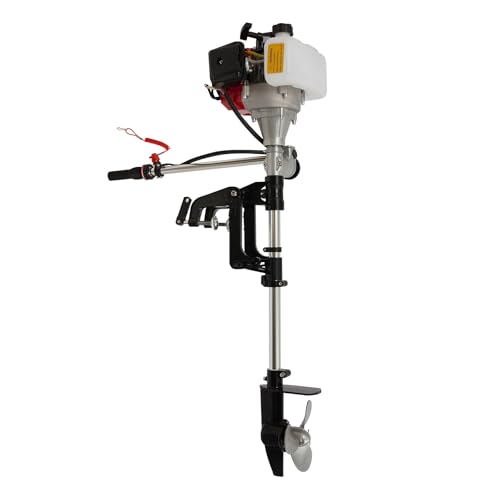
This 2.3HP, 52cc outboard is a compact option designed for inflatable boats and small craft. It delivers practical speed (4500–8500 rpm) and a quick-start capability with a CDI ignition and hand-pull start. Heat dissipation via cooling holes helps prevent overheating during extended use. The unit is best for buyers prioritizing portability and easy maneuverability. Limitation: lower horsepower means modest speeds on larger or heavier boats.
COFECO 4-Stroke 6.5 HP Short Shaft
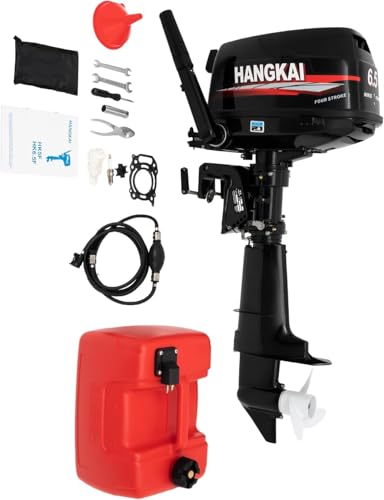
This 6.5 HP, 123cc four-stroke outboard combines CDI ignition with water cooling for steady performance and fuel efficiency, ideal for fishery tasks or longer trips. It offers better power and range than smaller engines, making it suitable for mid-sized boats. Caution: four-stroke engines can be heavier than two-stroke equivalents, impacting mounting and handling on very small vessels.
BJTDLLX Short Shaft 12 HP Outboard

The 12 HP two-stroke motor provides substantial thrust (661–1763 pounds) and a range up to 30 km/h, suitable for small sport boats and inflatable craft needing more power. Aluminum construction aids durability in marine environments, and three-speed forward/neutral/reverse cruise enhances control. Better for faster planing with lighter boats; not ideal for very small, lightweight vessels due to higher weight and fuel use.
HANGKAI 4-Stroke 6HP Outboard Engine

This HangKai 6HP 4-stroke motor delivers up to 3.75 kW with a 140cc displacement. It features a tiller steering setup and manual tilt, a compact transom clamp, and an air-cooled design for easier maintenance. Best for recreational boating or light utility tasks on small to medium boats. Limitation: 0-4 cm clamping range may not fit all transoms without adapters.
COFECO 2 Stroke 3.5HP 52cc

This 3.5 HP, 52cc two-stroke engine with water cooling and CDI ignition aims to deliver strong power for small boats and inflatables. The 1.3 L fuel tank supports longer usage between refuels. Choose this if you want a compact, economical option for tight spaces. Caution: lower horsepower than mid-range models, so plan for lighter loads and calmer conditions.
Buying Guide
What size boat will you power? Match horsepower to boat weight and intended use. Lighter inflatables and kayaks benefit from 2–4 HP engines, while small to mid-sized boats may benefit from 6–12 HP motors for better speed and planing capability.
Two-stroke vs. four-stroke: Two-stroke motors are often lighter and provide more power-to-weight, but require oil mixing and can be louder. Four-stroke motors run cleaner, are generally quieter, and have simpler maintenance at the cost of added weight.
Fuel capacity and efficiency: Larger tanks extend run time but add weight. Look for engines with efficient ignition and cooling systems to minimize fuel consumption during longer outings or aquaculture tasks.
Starting system and ease of use: CDI ignition and simple pull-start are common on smaller engines. Tiller control and manual tilt help with maneuverability, especially on compact vessels.
Durability and materials: Aluminum and corrosion-resistant components extend life in saltwater or mixed environments. Consider engines designed for both saltwater and freshwater use if you operate in diverse conditions.
Maintenance considerations: Air cooling systems require good venting and periodic cleaning. Water-cooled engines typically need more routine checks for coolant integrity and potential leaks..
FAQ
- What is a practical horsepower range for inflatable boats? Answer: 2–6 HP is common for most inflatables, depending on their weight and desired speed.
- Do two-stroke engines require oil mixing? Answer: Yes, most two-stroke engines require mixing two-stroke oil with fuel.
- Is a four-stroke engine better for saltwater use? Answer: Four-stroke engines can be more economical and produce fewer emissions, often a good choice for regular saltwater use.
- What maintenance should I prepare for with air-cooled motors? Answer: Regular cleaning of cooling vents and inspection of cooling holes helps prevent overheating.
- Which engine is best for a small fishing boat? Answer: For fishing boats needing reliable thrust and endurance, a 6.5 HP to 12 HP four-stroke or two-stroke option like COFECO 6.5 HP or BJTDLLX 12 HP provides solid performance with better control.
- Do I need a long shaft or short shaft motor? Answer: Short shafts fit smaller transoms; long shafts are better for deeper water or boats with higher transoms, ensuring prop depth is sufficient to avoid strike and maintain efficient propulsion.