Whether you’re protecting a freshwater skiff or a saltwater powerboat, a slick, durable bottom coating helps reduce drag and fend off fouling. This guide compares five top options for slick bottom boat paints, focusing on who each product suits best, its key benefits, and any notable limitations. Ideal buyers include recreational boaters, commercial crews, sailors, and anyone looking to minimize maintenance while maintaining hull performance.
Summary table of selected products:
| Product | Best For | Coating Type | Notable Benefit |
|---|---|---|---|
| Fasco Epoxies Super Slick 2000 Epoxy Bottom Coating (Quart) | Airboats and watercraft needing a fast-drying epoxy bottom | Epoxy bottom coating | Excellent abrasion resistance |
| Fasco Epoxies Super Slick 2000 Epoxy Bottom Coating (Gallon) | Mid- to large-size boats seeking durable epoxy protection | Epoxy bottom coating | Longer-lasting film with broader coverage |
| TotalBoat JD Select Ablative Antifouling Bottom Paint (Quart) | Fiberglass, wood, steel boats in salt and fresh water | Ablative antifouling | Self-polishing to reduce buildup |
| TotalBoat Underdog Marine Antifouling Bottom Paint (Gallon) | Frequent-use boats in varying saltwater conditions | Ablative antifouling | Economical single-season protection |
| SENVEN Boat Paint (35 Oz) | Hull coatings and topside applications on multiple substrates | All-in-one marine paint (high-gloss) | Durable, versatile finish |
Fasco Epoxies Super Slick 2000 Epoxy Bottom Coating (Quart)

Product overview: This quart-sized epoxy bottom coating is designed for watercraft such as airboats and jet skis. It provides a smooth, slick film intended to reduce drag and improve fuel efficiency. Best for smaller, fast boats that require quick-drying epoxy protection.
Best for: Smaller, high-speed vessels or recreational craft that benefit from a tough epoxy bottom layer.
Why selected: The epoxy chemistry creates a durable, abrasion-resistant finish that holds up under frequent use and rough water conditions.
Caution or limitation: Epoxy coatings can require proper surface preparation and curing conditions; follow all manufacturer guidelines for best results.
Fasco Epoxies Super Slick 2000 Epoxy Bottom Coating (Gallon)

Product overview: The gallon kit extends coverage for larger boats and longer seasons, delivering the same slick epoxy barrier with added surface protection. This option is well-suited for owners who want fewer reapplications between use cycles.
Best for: Medium to large boats seeking durable epoxy protection and longer-lasting results.
Why selected: High abrasion resistance reduces maintenance needs and supports smoother operation on busy watercraft.
Caution or limitation: Proper prep and curing are essential for optimal performance; follow the package directions for temperature and humidity.
TotalBoat JD Select Ablative Antifouling (Quart)

Product overview: ABLATIVE antifouling coating that self-polishes as the boat moves, helping to minimize paint buildup. Suitable for fiberglass, wood, and steel boats in both salt and fresh water environments.
Best for: Boats that operate in varied water conditions and need a self-polishing film to maintain hull efficiency.
Why selected: The self-polishing feature reduces maintenance and helps keep the hull smooth for better speed and fuel efficiency.
Caution or limitation: Not intended for continuous submersion on submerged hulls beyond long durations without reapplication guidance.
TotalBoat Underdog Antifouling Bottom Paint (Gallon)

Product overview: An economical antifouling option designed for single-season protection, featuring biocide release to deter barnacles and mussels under typical saltwater use.
Best for: Boats that are used frequently or seasonally and need a cost-conscious antifouling solution.
Why selected: Durability and daily use tolerance make it a practical choice for varied vessel types and operating conditions.
Caution or limitation: Designed for single-season protection; plan for reapplication as seasons change or use patterns shift.
SENVEN All-In-One Boat Paint (35 Oz)
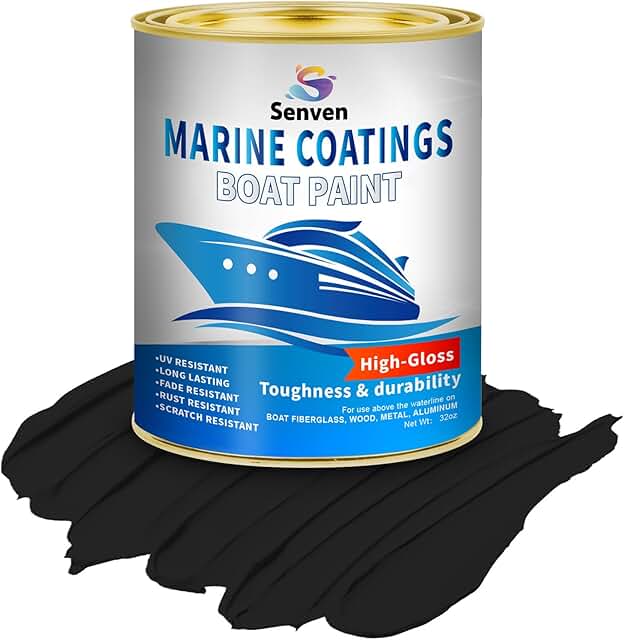
Product overview: An all-in-one marine paint suitable for topside, bottom, and waterline applications. It adheres to marine substrates such as fiberglass, wood, metal, and previously painted surfaces, offering high-gloss durability.
Best for: Boaters seeking a versatile coating that performs across multiple areas of the vessel surface.
Why selected: The broad compatibility and high-gloss finish provide a practical option for users who want a single coating for multiple uses.
Caution or limitation: Not recommended for continuous submersion on bottoms that stay in the water for extended periods.
TotalBoat Underdog Marine Antifouling Bottom Paint (Gallon)
Product overview: See above as part of the five-product set; this option emphasizes economical, single-season protection with durable wear.
Best for: Boats that need a straightforward antifouling solution with minimal upfront cost and simple maintenance.
Why selected: Combines affordability with practical performance for regular or seasonal boating cycles.
Caution or limitation: If the boat remains in continuous water for long periods, consider reapplication strategy per usage conditions.
Buying Guide
- Product type matters: Epoxy bottom coatings offer robust durability and abrasion resistance, ideal for high-speed or high-contact hulls. Ablative antifouling coatings self-polish over the season, reducing buildup and sanding needs. All-in-one marine paints provide versatility but may have limitations for prolonged submersion.
- Water type and usage: Saltwater boats benefit from antifouling coatings with effective biocides, while freshwater craft may prioritize abrasion resistance and film durability.
- Surface compatibility: Check that the coating adheres to your hull materials (fiberglass, wood, steel, aluminum). Some products specify compatibility with previously painted surfaces.
- Application and cure: Temperature, humidity, and surface prep influence performance. Epoxies often require precise curing conditions, while water-based alternatives tend to have easier cleanup and safer environmental profiles.
- Maintenance cycle: Ablative coatings wear away as you move, which can minimize buildup but may require more frequent reapplication depending on use. Consider your launch schedule and maintenance window when choosing a product.
Frequently asked questions
- What is the difference between epoxy bottom coatings and antifouling paints? Epoxy coatings primarily protect against wear and provide a slick surface, while antifouling paints deter organisms from attaching to the hull.
- Which coating is best for high-speed boats? Epoxy bottom coatings are typically favored for their hardness and abrasion resistance, which supports higher speeds and reduced drag.
- Do antifouling paints require frequent reapplication? Yes, ablative antifouling coatings wear away with use, and reapplication is often needed each season or as conditions dictate.
- Are water-based boat paints safer for marinas? Water-based products generally have lower VOCs and odor, making them easier to use in marina environments.
- Can I use one paint for both topside and bottom? Some all-in-one marine paints claim multi-surface applicability, but confirm suitability for continuous submersion and hull exposure before use.
- How should I prepare the hull before coating? Follow manufacturer guidelines for surface cleaning, sanding, and priming to ensure proper adhesion and performance.