Direct, reliable charging and power transfer are essential for trolling motor setups. This guide highlights five top trolling motor battery plug options, explaining who each is best for and why you might choose one over another. It focuses on 8-gauge and similar high-current connectors designed for 12V–24V systems, with weatherproof features for marina and on-water use. The buyer is typically a casual angler, a dedicated boat trailer user, or a season-long captain seeking faster setup and dependable connections.
| Product | Best For | Why It Stands Out |
|---|---|---|
| ATQYZLM Trolling Motor Plug | All-weather, high-current users | Corrosion-resistant, sealed waterproof cover; 8-gauge copper wire for lower resistance |
| Minn Kota MKR-12 Trolling Motor Quick Connect | Fixed, built-in power connections | Heavy-duty 10-gauge connectors; complete wiring solution |
| Moestoont Trolling Motor Plug | Reliable marine-grade plug | 8-gauge leads; corrosion-resistant; seaworthy sealing |
| Lusperi Trolling Motor Plug | Fast battery swaps | Tool-free connect/disconnect; handles high current up to 80A |
| LAPOND Trolling Motor Quick Connect | Easy DIY installs | 8-gauge copper wiring; simple, tool-free setup |
Each product section below provides a concise snapshot: what it is best for, its key strengths, and a potential limitation to consider before purchase. The goal is to help you compare options quickly and pick a plug that fits your boat, motor, and fishing routine.
ATQYZLM Trolling Motor Plug

Best for mariners seeking a durable, all-season connection. This plug accepts 12V–24V–48V configurations and uses corrosion-resistant, flame-retardant housing with a sealed waterproof cover. It highlights lower resistance with an 8-gauge copper wire, which can improve charging efficiency and battery life. Best for boats that endure salt spray, splash, and variable weather. Caution: some users report that setup can feel fiddly the first time as you align male and female components.
Minn Kota MKR-12 Trolling Motor Quick Connect

Best for fishermen who want a complete wiring solution with a dedicated motor-side and battery-side setup. The MKR-12 uses heavy-duty 10-gauge connectors designed to transfer power reliably without voltage drop or overheating. It simplifies installations by reducing the need for extra components. Limitation: It may be less flexible for non-Minn Kota motors or unusual wiring configurations compared to universal plugs.
Moestoont Trolling Motor Plug

Best for boaters needing a robust, waterproof connection with reliable power transfer. The Moestoont connector uses an 8-gauge lead for efficient current flow and a gasketed, waterproof cover to resist moisture, sand, and spray. It emphasizes low resistance for faster charging and stronger motor performance. Limitation: like many high-current marine plugs, correct installation and sealing are essential to maintain IP-rated protection; improper sealing can compromise water resistance.
Lusperi Trolling Motor Plug

Best for quick battery changes and universal compatibility. Lusperi’s plug handles 12V/24V systems with up to 80A, featuring tool-free quick connect/disconnect and wide-mouth terminals for secure connections. It suits boaters who swap batteries or perform rapid maintenance. Caution: some users may find the included hardware limited for very custom mounting setups; ensure compatibility with your battery box and motor lead lengths.
LAPOND Trolling Motor Quick Connect
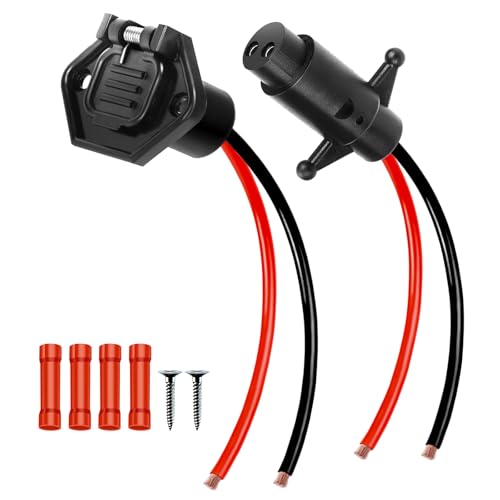
Best for DIY-friendly installations and straightforward setups. The LAPOND plug uses standard 8-gauge copper wiring and offers a sealed waterproof cover along with corrosion-resistant materials. It’s designed for simple male/female plug pairing and is suitable for long-term marine use. Limitation: dependency on screw mounting may add installation time for some panels or enclosures.
Buying Guide: Trolling Motor Battery Plug Essentials
What gauge should you choose? For most 12V–24V trolling motors, 8-gauge copper wire balances current capacity with manageable wire size, reducing resistance and heat. If your motor demands more power or longer leads, consider heavier gauges and dedicated wiring solutions.
Seal and weather resistance matter. Look for gaskets, sealed covers, and corrosion-resistant materials to withstand saltwater, spray, and sand. A waterproof rating or IP rating helps gauge suitability for open-water use.
Plug type and compatibility. Some plugs are universal, while others are designed to work with specific brands. If you frequently upgrade motors, universal options may save time and hassle. For fixed setups, brand-specific connectors can offer tighter fit and easier installation.
Ease of installation. Tool-free connections are convenient for quick swaps or maintenance. However, ensure your mounting surfaces are level and secure to prevent loosening in rough water. Consider whether you prefer quick disconnects for battery swapping or permanent, locked connections for reliability on the water.
Durability versus price. Marine-grade connectors are built to last but can be pricier. Weigh your usage frequency, exposure to elements, and maintenance budget when selecting a plug.
Comparison Snapshot
- Best for all-weather, corrosion resistance: ATQYZLM
- Best complete wiring solution: Minn Kota MKR-12
- Best for quick battery changes: Lusperi
- Best for DIY installs: LAPOND
- Best general reliability with heavy-duty leads: Moestoont
Frequently Asked Questions
- What is the typical gauge for trolling motor plugs? – Commonly 8-gauge copper wire, balancing current capacity and flexibility for 12V–24V systems.
- Do I need waterproof protection for trolling motor plugs? – Yes, especially in saltwater or wet conditions; look for gasketed covers and corrosion-resistant materials.
- Can I mix brands for plugs and receptacles? – It depends on the design. Some are universal, while others are brand-specific; verify compatibility before wiring.
- Is a complete wiring kit better than individual parts? – A complete kit reduces the need for extra purchases and ensures matched components, but universal options can offer flexibility for different motors.
- How do I ensure a secure, leak-free connection? – Clean terminals, apply appropriate sealant or gaskets, and tighten connections according to installation instructions.
- What maintenance is needed for trolling motor plugs? – Inspect for corrosion, clean contacts, test seals, and replace worn gaskets as needed.