Answering the need for reliable, easy-to-use mooring lines, this guide highlights five top dock lines designed for boats and ships of varying sizes. Each option targets specific mooring scenarios—coastal and freshwater berths, windy channels, or temporary docking at marinas. The best picks suit boaters seeking strong nylon or bungee mooring ropes, built to absorb shock and resist abrasion. The buyers best served are yacht owners, small- to mid-sized boat owners, and jet-ski or PWC operators who want quick, secure docking without heavy knot-tying.
Summary table of chosen products
- PACTHSD Boat Dock Lines — 1/2″ x 15′, 4-Pack; best for dependable, all-weather mooring with a comfortable hand feel.
- Rainier Supply Co Dock Lines — 15 ft length options in a value pack; best for boats up to 27 ft seeking durable, hand-friendly lines with eyelets.
- JaunniQir 2200lb Bungee Dock Lines — 4–5.5 ft; best for shock absorption and easy, knot-free docking for boats up to ~23 ft.
- DockMoor Bungee Dock Lines — 4 ft, 2-pack; best for quick-docking with floats and visible, cushioned lines.
- Pebbly Beach 2 Pack 3/8″ x 15′ — best for daily mooring with strong, heat-treated nylon and good UV resistance.
PACTHSD Boat Dock Lines 4-Pack

Product type: 1/2″ x 15′ nylon dock lines with 12″ loop. This double-braided, low-stretch rope provides strong shock-load absorption and abrasion resistance, making it suitable for all-weather mooring in lakes, rivers, and marinas. Best for boaters seeking a reliable, heavier-duty line with robust handling and durability.
Why chosen: Best for regular, dependable mooring in varied conditions. The 1/2″ size offers higher tensile capacity for mid-sized vessels. Best for boaters who want a straightforward, heavy-duty line with long life under sun and salt exposure.
Limitations: Slightly heavier to handle than thinner lines; may be overkill for very small craft or minimal docking needs.
Airhead Bungee Dock Line, 6-Feet
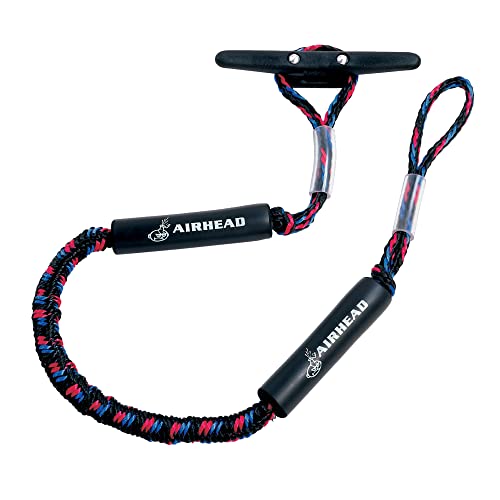
Product type: 6 feet long bungee mooring rope. Floats integrated inside the rope with two protective foam ends. The built-in snubber dampens shock, protecting cleats, docks, and hull during docking. Best for boats needing quick docking and flexible absorption in lighter to moderate wind and wave conditions.
Why chosen: Better for quick, light-to-moderate moorings, especially where rapid docking matters. The hidden bungee core provides soft landings and reduces jerkiness.
Limitations: Not ideal for heavy or high-load moorings; the shock-absorption is tuned for smaller craft and lower loads.
Geelu 2Ft Bungee Dock Lines (2-Pack)

Product type: 2 feet long bungee dock lines with 316 stainless steel clips and built-in elastic core. These lines are designed to dampen shocks from tide or waves, reducing jerks on the boat and the dock. Best for jet skis, small pontoons, or light boats needing compact, flexible mooring lines.
Why chosen: Suitable for compact berthing situations where space is tight and quick docking is important. The 316 clips resist corrosion and the elastic core improves handling in choppy waters.
Limitations: Short length means limited reach; not ideal for larger vessels or long-distance mooring.
DockMoor Bungee Dock Lines 4 Ft (2-Pack)

Product type: 4 feet long bungee mooring lines with 316 stainless steel clips and visible EVA floats. The 10 mm hidden latex core provides superior shock absorption, reducing stresses on the boat and dock during rough conditions. Best for PWCs, jet skis, and small pontoons requiring quick, soft docking and high visibility on the water.
Why chosen: Excellent for quick berthing and protection against hull damage due to sudden pulls. The floats increase visibility and prevent line from snagging props.
Limitations: Shorter length than standard 15 ft lines; may not suit larger vessels or longer moorings in bigger marinas.
Pebbly Beach 2 Pack Dock Lines

Product type: 3/8″ x 15′ marine-grade double braided nylon dock lines with 12″ eyelets. Features heat-treated reinforcement, anti-aging treatment, and high UV/salt resistance. Best for daily mooring where durability and long service life are valued for boats up to 25 feet.
Why chosen: Good balance of size, strength, and durability. The heat-treated ends and eyelets make mooring safer and easier, especially in saltwater environments.
Limitations: Slightly heavier material may be stiffer in very cold conditions; consider flexibility if frequently handling by hand in frigid weather.
Buying Guide: Key Considerations For Choosing Mooring Lines
- Load rating and size: Match rope diameter (e.g., 3/8″, 1/2″) to your vessel weight and typical docking conditions. Higher diameter usually means greater strength and abrasion resistance, but heavier handling.
- Construction: Double-braided nylon lines absorb shock well and resist abrasion, while bungee lines add built-in stretch for smoother mooring in waves. Consider whether you prefer all-nylon lines or bungee variants for dynamic conditions.
- Eyelets and loops: Eyelet length and placement affect ease of tying and maintenance. Longer eyelets enable faster, safer docking in windy or high-current environments.
- Hardware compatibility: Stainless steel clips and corrosion resistance are important for saltwater use to prevent hardware failure and line wear.
- Floatation and visibility: Floats keep lines visible and prevent line from wrapping around propellers or docks. Floats also cushion the line and protect hulls.
- Length and reach: 12- to 15-foot lines cover common dock configurations. Shorter lines are easier to handle but offer less reach; longer lines provide versatility but require more storage space.
- Weather and environment: UV resistance, salt spray resistance, and heat-treated ends extend rope life in harsh marine environments.
- Storage and portability: Consider lines that come with storage bags or easy folds to keep your deck tidy when not in use.
FAQ
- What type of mooring line is best for saltwater usage?
Marine-grade nylon with UV and salt resistance is typically best for saltwater mooring, due to durability and weather resistance.
- Are bungee mooring lines safer than traditional lines?
They can reduce shock loads and jerks, protecting fittings, but may be less suitable for long, heavy mooring needs where consistent tension is required.
- How long should mooring lines last?
With heat-treated reinforcement, anti-aging design, and proper maintenance, lines can last several years, depending on usage and environment.
- When should I replace mooring lines?
Replace if you notice fraying, significant stretching, cracking, or loss of elasticity, especially near eyelets or clips.
- Is length more important than diameter?
Length affects reach and versatility; diameter affects strength and wear resistance. Choose based on boat size and docking conditions.
- Which product is best for quick docking?
Dense, built-in shock-absorbing lines with sliding attachments and visible floats can offer faster docking with reduced risk of sudden pulls, such as bungee dock lines.