Answering the question: the best motors for jon boats are compact, reliable, and easy to maintain electric or small gas engines that fit a short shaft and provide smooth control in calm to moderate water. This guide highlights five options that cover electric transom mounts, high-thrust gas and fast-access controls. Each choice targets a typical jon-boat buyer: casual coastal anglers, weekend explorers, and small-boat anglers needing dependable propulsion without complexity. Below is a quick reference table to compare the five picks at a glance.
| Product | Type | Thrust/Power | Shaft Length | |
|---|---|---|---|---|
| Minn Kota Endura C2 | Electric Trolling Motor | 30 lb thrust | 30 in | Quiet, lightweight trolling for calm waters |
| Newport NV-Series 62lb | Electric Trolling Motor | 62 lb thrust | 36 in | Medium-to-large jon boats in wind or current |
| Newport NV-Series 55lb | Electric Trolling Motor | 55 lb thrust | 30 in | All-around trolling with LED battery indicator |
| Newport NV-Series 36lb | Electric Trolling Motor | 36 lb thrust | 30 in | Lightweight setups like kayaks, canoes, inflatables |
| YIYIBYUS 2.3HP Gas Outboard | Gas Outboard | 2.3 HP | 27.55 in shaft | Low-frequency use on small boats needing quick power |
Minn Kota Endura C2 Transom-Mount Electric Trolling Motor – 30 Lb. Thrust
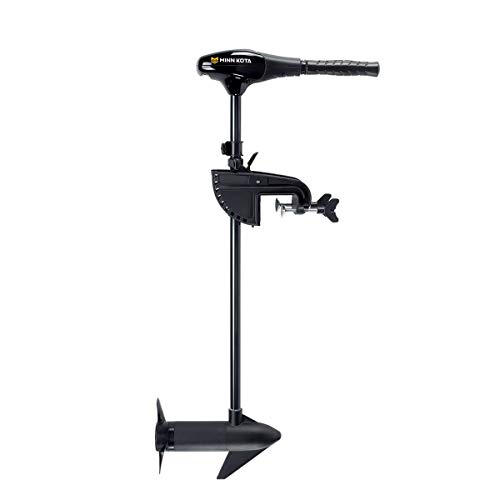
The Minn Kota Endura C2 is best for small jon boats and calm water scenarios. It features a 6-inch telescoping tiller for easy steering over long fishing sessions and a 10-position lever lock bracket to set the motor angle securely. The reinforced composite body withstands UV exposure and waves, reducing wear on marine environments. The Power Prop is designed to push through mild vegetation, aiding maneuverability in rivered or weed-choked edges. A push-to-test battery meter helps monitor charge, which is helpful for anglers who rely on predictable power all day. Caution: suited for lighter loads and calm conditions; thicker vegetation may require a higher-thrust model.
Who it’s best for: Casual anglers with smaller jon boats who want quiet, simple electric propulsion without heavy gear. Why selected: compact, reliable, easy to install, and well-supported by a long-standing brand.
Limitations: 30 lb thrust may be insufficient in strong wind or current; consider higher-thrust options if you frequently fish in rougher conditions.
Newport NV-Series 62lb Thrust Trolling Motor 12V

Best for bigger jon boats or boats operating in wind and current, the Newport NV-Series 62lb delivers strong thrust with reliable 12V power. Its corrosion-resistant build adapts well to both freshwater and saltwater conditions, making it versatile for mixed-water outings. The 36-inch shaft helps reach deeper prop wash and maintain steady control, even with a heavier load. A larger prop design provides robust pushing power for demanding conditions. Caution: heavier propulsion means more battery drain; plan your day around battery life on longer trips.
Who it’s best for: Boat owners needing extra push on larger jon boats or rough-water scenarios. Why selected: high thrust, saltwater capability, and a longer shaft for better steering control.
Limitations: Heavier and more battery-intensive than smaller electric models; may require a larger battery or dual-battery setup for all-day use.
Newport NV-Series 55lb Thrust Saltwater Transom Motor
This 55lb model sits between lighter and high-thrust options, offering strong all-around performance. Features include an adjustable mount, 3-blade prop for better low-end torque, and an LED battery indicator for visibility during trips. It’s a balanced choice for jon boats that see both calm ponds and windy lake days. Caution: 55lb thrust may still be challenged by very large loads or heavy chop; ensure your boat’s weight and weather align with the motor’s capabilities.
Who it’s best for: Anglers needing a versatile mid-thrust motor for varied conditions. Why selected: strong propulsion with practical features like battery indication and adjustable mount.
Limitations: Not as light or compact as smaller electric models; plan storage and weight distribution accordingly.
Newport NV-Series 36lb Thrust Trolling Motor
Best for lightweight setups such as kayaks, canoes, inflatables, or small jon boats where portability matters. The 36-lb thrust model provides efficient, quiet propulsion with a compact footprint. Its saltwater and freshwater durability support year-round use, and the 30-inch shaft keeps the prop in clean water for smooth movement. Caution: low thrust may struggle in wind or current; use in calm, protected waters or pair with a lighter craft load.
Who it’s best for: Small craft users prioritizing portability and low weight. Why selected: best-in-class for light vessels with easy handling and silent operation.
Limitations: May not provide enough thrust for larger jon boats in rough conditions or heavy loads.
YIYIBYUS 2.3HP Gas Outboard

Best for jon boats needing quick power and longer range without relying on battery life. This 2-stroke gas outboard delivers 1.7 kW (2.3 HP) and a 27.55-inch shaft, with a 70 cm prop. It’s built for relatively simple maintenance and strong thrust to drive faster over longer distances. Caution: requires fuel management and mixing, and may be louder than electric models on small, quiet waters.
Who it’s best for: Boaters who need higher power without frequent recharging, and who don’t mind fuel mixing and maintenance. Why selected: higher power in a compact gas option suitable for jon boats.
Buying Guide
What matters most when choosing jon-boat motors:
- Propulsion Type: Electric motors are quiet, low-maintenance, and easy to install; gas outboards offer higher thrust and range for larger loads or rough water.
- Thrust and Boat Size: Match thrust to your boat weight, typical load, and water conditions. Lighter boats benefit from 30–36 lb; larger or wind-prone setups benefit from 55–62 lb.
- Shaft Length: A 30-in shaft helps keep the prop in clean water on shallow-to-mid-depth jon boats; longer shafts (36 in) improve depth clearance in deeper or choppier water.
- Battery and Fuel Considerations: Electric models depend on battery capacity and charging time. Gas outboards require fuel planning and regular maintenance but aren’t limited by battery life.
- Durability and Environment: Look for corrosion resistance for saltwater use and UV-resistant materials to extend motor life on frequent fishing trips.
- Controls and Comfort: Telescoping tiller and ergonomic grips reduce fatigue on long days; easy test meters help manage battery health for electric models.
Quick Comparisons
- Best for quiet lakes: Minn Kota Endura C2 (electric, 30 lb, 30 in shaft).
- Best for larger jon boats in wind: Newport NV-Series 62lb (electric, 62 lb thrust, 36 in shaft).
- Best mid-range all-around: Newport NV-Series 55lb (electric, 55 lb, 30 in).
- Best for lightweight craft: Newport NV-Series 36lb (electric, 36 lb, 30 in).
- Best for fast power without batteries: YIYIBYUS 2.3HP gas outboard (27.55 in shaft).
FAQ
- What is the typical thrust needed for jon boats? Answer: Thrust requirements depend on boat weight, load, water conditions, and desired speed; smaller boats often do well with 30–36 lb, while larger or wind-prone setups benefit from 55–62 lb.
- Are electric trolling motors suitable for saltwater? Answer: Many electric models are designed for both freshwater and saltwater use; check corrosion resistance and seals for saltwater environments.
- Is a longer shaft always better? Answer: Longer shafts help keep the prop in cleaner water when the boat sits higher in chop; shorter shafts save weight and are fine for shallow waters.
- Should I choose gas or electric for a jon boat? Answer: Gas offers higher thrust and range for larger or rougher water; electric is quieter, lighter, and easier in calm conditions with easier maintenance.
- Do I need a separate battery for trolling motors? Answer: Yes, electric trolling motors require a suitable battery or battery system; plan for run time and recharging options.
- Can I mix and match brands with jon boats? Answer: It’s possible but ensure mounting compatibility, shaft length, and thrust match your boat’s specifications and local regulations.