Looking for an affordable shallow water anchor that delivers reliable grip in beaches, sandbars, and calm shorelines? This guide highlights five budget-friendly options designed for small to mid-sized boats, kayaks, and jet skis. Each option is best for shallow depths, easy portability, and quick setup. Read on to compare how each anchor performs in sand, mud, and light current, and to find the right pick for your craft and typical water conditions.
| Product | Length / Size | Best For |
|---|---|---|
| BeneLabel 17″ Sand Bar Anchor | 17 in | Portables and quick anchoring for small craft |
| SuperStick Shallow Water Anchor Pin | 3/4″ x 8 ft | Rugged pen-point for varied bottoms |
| BeneLabel 36″ Sand Anchor | 36 in | Beaches, sandbars, larger boats or kayaks |
| sailpref 8.63′ Shallow Water Anchor Pole | 8.63 ft | Long reach with corrosion resistance |
| Lewmar Vector Manual Shallow Water Anchor (8 ft, White) | 8 ft | Simple, low-maintenance operation |
BeneLabel 17″ Sand Bar Anchor

- Brand: BeneLabel
- Material: 304 stainless steel for corrosion resistance and impact resistance
- Size and weight: 17 inches long; weighs 1.28 lbs (0.58 kg); includes storage bag
- Design: Screw-in with a removable T-handle for quick installation
Best for: Small boats, kayaks, jet skis, and beach setups where a compact, easy-to-transport anchor is ideal. The 304 stainless steel body provides durable performance in sandy shorelines and shallow waters. Use this when you need a lightweight, portable option that still offers solid grip in soft sand. Limitation: Smaller size may be less effective in very firm or deep sand conditions compared to longer anchors.
SuperStick Shallow Water Anchor Pin
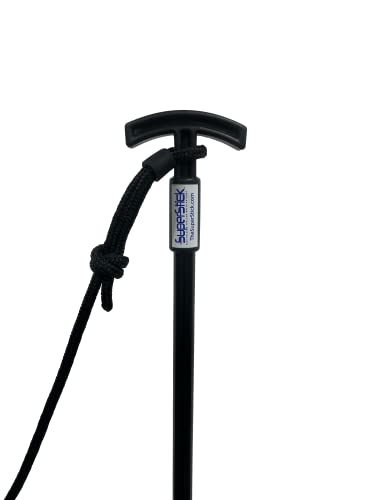
- Brand: Superstick
- Feature: Stainless steel spike tip designed to resist wear and provide easier anchoring
- Size: 3/4 inch diameter, 8 feet length
Best for: Anglers and boaters seeking a rugged spike-pin anchor for soft or mixed bottoms. The stainless steel tip minimizes wear and helps penetrate sand or soft mud. Choose this if you want a straightforward, durable spike anchor and don’t require additional rope or accessories. Caution: Ensure proper depth and penetration to avoid surface dragging on strong currents.
BeneLabel 36″ Sand Anchor

- Brand: BeneLabel
- Material: 304 stainless steel; includes 32 ft rope
- Size: 36 inches long; total weight about 3.18 lbs (1.45 kg)
- Includes storage bag
Best for: Larger boats, kayaks, or pontoons that require a longer reach and better grip in sandy bottoms. The included rope reduces extra purchases, making this a convenient all-in-one solution. Limitation: Heavier weight may reduce portability for backpack-style transport or compact storage.
sailpref 8.63′ Shallow Water Anchor Pole

- Brand: sailpref
- Material: Fiberglass reinforced polyamide66 with 316 stainless steel tip
- Length: 8.63 ft total; uses a two-piece, screw-together design
- Includes gloves; designed for corrosion resistance and long reach
Best for: Boats requiring extended reach and corrosion resistance in sandy or clay bottoms. The screw connectors reduce detachment risk and the 316 stainless tip offers saltwater durability. Caution: The usable depth is typically 4–6 feet; part of the pole stays above water for handling, so match with water depth before use.
itayak 8.63′ Shallow Water Anchor Pole

- Brand: itayak
- Material: Glass fiber-reinforced PA66 with 316 stainless tip
- Length: 8.63 ft; two-piece design with secure screw-lock connection
- Includes gloves and hex keys for storage and setup
Best for: Boaters needing a lightweight, long reach anchor with reliable corrosion resistance. Choose this if you prioritize a two-piece design for easy storage and transportation. Limitation: Glass fiber materials require cautious handling to avoid fiber exposure; wear gloves during handling.
Lewmar Vector Manual Shallow Water Anchor (White, 8 ft)

- Brand: Lewmar
- Operation: Pull-rope deployment; no hoses, pumps, or wires
- Installation: Easy setup with aftermarket mounts and universal hole patterns
- Material: Corrosion-resistant powder-coated aluminum with a fiberglass spike
Best for: Users seeking a simple, low-maintenance manual anchor with straightforward deployment and retrieval. The pull-rope mechanism reduces electrical dependencies and makes installation easier. Limitation: Manual deployment may be slower than motorized systems in fast-changing conditions.
Buying Guide: Key Considerations For Choosing A Shallow Water Anchor
- Water depth and bottom type: Match anchor length to expected water depth and substrate (sand, mud, or clay). Longer poles reach deeper and penetrate firmer bottoms more easily.
- Material and corrosion resistance: Stainless steel (304) offers good corrosion resistance in saltwater; ensure the tip design accommodates sandy bottoms.
- Weight and portability: Lighter anchors are easier to transport, while heavier models can provide more stability in stronger currents.
- Deployment method: Manual pull-rope or screw-in mechanisms have different maintenance needs and ease of use. Consider whether you prefer quick setup or hands-on control.
- Included accessories: Some kits include ropes, bags, or gloves, which reduces the need for additional purchases and simplifies storage.
- Storage and transport: Look for compact designs or two-piece assemblies if space is a concern for boats or kayaks.
FAQ: Quick Answers For Shallow Water Anchors
- What is the best shallow water anchor for small boats?
– A compact model like the BeneLabel 17″ sand bar anchor can be ideal for small boats and kayaks due to its portability and simple screw-in design. - Do I need a long anchor for sandbars?
– Longer anchors provide better grip in varied depths and can penetrate firmer sand, but they add weight. Choose based on typical water depth and boating size.
- Are fiberglass or stainless steel anchors better for saltwater?
– Stainless steel resists corrosion well; fiberglass-reinforced components offer light weight and strength but ensure tip material is compatible with sandy bottoms. - Can I reuse anchors with different ropes?
– Some anchors include a rope; if not, verify rope compatibility and length for safe provisioning during storage. - What maintenance is required for manual anchors?
– Inspect tips for wear, lubricate moving parts if applicable, and store in a dry bag to prevent corrosion.