Direct answer: the right spark plugs for your outboard will improve starts, throttle response, and burn efficiency, especially in harsh marine conditions. This guide compares five well-suited options for common outboard engines and explains who each is best for. Choose based on your engine type, age, and maintenance goals. The following picks emphasize reliability, corrosion resistance, and easy maintenance in saltwater environments.
| Product | Best For | Key Benefit |
|---|---|---|
| Quicksilver 13686Q NGK BU8H | Older or standard marine engines | Semi-surface discharge with anti-corrosion plating |
| BDFHYK 1134 Universal Iridium Spark Plugs | Multiple brands and 2-stroke outboards | Iridium center for durable ignition |
| NGK BR8HS-10 4 Pack | Replacement for common BR8HS-10 specs | Reliable performance in 2-stroke/4-stroke engines |
| Champion 828M 4-Pack Copper | Budget-friendly replacements | Genuine Champion parts with wide compatibility |
| BDFHYK 4495 Iridium Spark Plugs | Mercury and Sea Pro style 2-stroke outboards | Fine iridium electrodes for strong ignition |
Quicksilver 13686Q NGK BU8H Semi-Surface Discharge Spark Plug
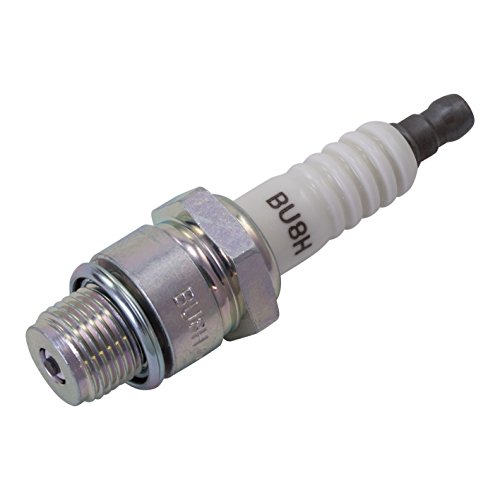
The Quicksilver plug uses NGK BU8H semi-surface discharge to improve ignition and help burn off carbon buildup that can foul plugs. Best for engines that need reliable starts and consistent firing under marine conditions. Anti-corrosion trivalent plating enhances durability in saltwater environments and eases removal. Use only the OEM-specified plug for your engine. Best for: older or standard marine outboards needing dependable, easy-to-maintain spark plugs. Caution: verify the exact NGK specification required by your engine manual to avoid misfit timing.
BDFHYK 1134 Universal Iridium Spark Plugs

This set provides universal compatibility with several two-stroke outboard platforms, including Mariner, Yamaha, and Tohatsu. Iridium center electrodes promise quicker ignition, more power, and improved fuel economy during the ignition process. Best for owners seeking wide compatibility and strong ignition performance. Choose this if you have multiple outboard brands or want a single replacement option across models. Limitation: compatibility should be checked against your engine’s exact model and manual.
NGK BR8HS-10 4 Pack

NGK BR8HS-10 is a common, reliable choice for many 4-stroke and select 2-stroke outboards. Sold in packs of four, it supports routine maintenance and staggered replacements. Best for engines that specify BR8HS-10 or its equivalents. Better for: straightforward replacements with predictable performance. Limitation: plug gap and heat range must match the manufacturer’s spec to avoid misfires.
Champion 828M Copper Marine Spark Plugs
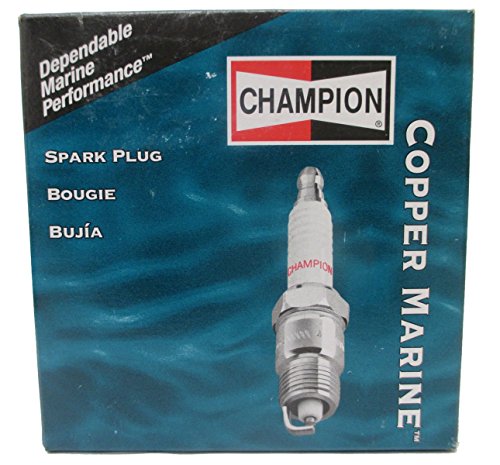
Champion 828M copper spark plugs offer a budget-friendly option with broad marine compatibility. Sold in packs of four, they are a practical choice when replacement speed and cost are priorities. Best for budget-conscious boat owners who still want genuine Champion parts. Caution: copper plugs can wear faster under heavy use; check electrode gap and inspect for fouling in frequent high-load conditions.
BDFHYK 4495 Iridium Spark Plugs

4495 Iridium plugs are designed for Mercury and various Sea Pro style outboards. The center electrode is iridium for durable ignition and stable performance over time. Best for Mercury-based engines or Sea Pro-equipped models where iridium plugs are recommended. Limitation: verify exact thread size and reach for your engine to ensure proper seating and seal.
Buying Guide
What should I consider when choosing spark plugs for my outboard?
Engine type (two-stroke vs four-stroke), recommended heat range, and the correct thread size/length are essential. Iridium plugs tend to last longer and provide quicker starts, but may cost more. Copper plugs are budget-friendly but may require more frequent changes.
How important is compatibility across brands?
Many outboards share compatible coil and spark plug specifications, but always verify the exact part number in your owner’s manual. Using the wrong heat range or gap can cause misfires or reduced performance.
What maintenance practices help maximize spark plug life?
Regularly inspect for fouling, carbon buildup, and electrode wear. Keep the gap to manufacturer specs and replace in sets to maintain even firing. Use anti-corrosion coatings or proper torque when installing to prevent seizing in saltwater conditions.
Which plugs offer the best value?
In harsh marine environments, iridium plugs (like 1134 or 4495 variants) typically provide longer life and consistent performance, reducing maintenance frequency. For tight budgets, copper options (like 828M) offer a balance between cost and standard performance.
How do I verify compatibility?
Consult your engine’s manual or parts listing for the exact spark plug model. If you use universal or cross-reference plugs, confirm they match thread diameter, reach, and heat range with your engine’s specifications.
Quick comparison at a glance
- Best for wide compatibility: BDFHYK 1134 Iridium (universal across brands)
- Best for saltwater durability: Quicksilver BU8H with NGK plating
- Best budget option: Champion 828M Copper
- Best for high-quality ignition: BDFHYK 4495 Iridium
- Best for standard BR8HS-10 spec: NGK BR8HS-10 4 Pack
FAQ
- Q: How often should I replace outboard spark plugs? A: Replacement frequency depends on usage, environment, and plug type; follow the engine manual and inspect during routine service.
- Q: Can I mix spark plug brands on a single engine? A: It’s best to use the same type and heat range across all cylinders to avoid uneven firing.
- Q: Do iridium plugs require special handling? A: They are durable and robust but still require proper torque and gap maintenance per the manual.
- Q: Why is the gap important? A: The gap determines ignition timing and combustion efficiency; incorrect gaps can cause misfires or hard starting.
- Q: Are universal plugs reliable for outboards? A: They can be, provided they match the engine’s thread size, reach, and heat range specified by the manufacturer.
- Q: Should I replace spark plug wires when replacing plugs? A: It’s prudent to inspect or replace wires if they show wear or resistance to ensure consistent ignition.