Finding the right heat exchanger for a boat means balancing durability, efficiency, and compatibility with your cooling or heating system. This guide highlights five top options that suit various boat sizes and needs, from compact marine heaters to robust water-to-water units. Each product is explained for who it’s best for, with clear pros and important caveats. The buyer types covered include small-boat owners seeking quick hot water, anglers needing reliable engine cooling, and DIY boaters upgrading to more energy-efficient heating.
| Product | Best For | Key Benefit |
|---|---|---|
| GPOAS 20×20 Heat Exchanger | Outdoor wood-furnace users and larger boats | High-pressure, durable copper/tube design |
| Marine Engine Water Cooler (Titanium) | Saltwater boats needing robust engine cooling | Titanium efficiency with corrosion resistance |
| AB Water To Air 10×10 Exchanger | Residential or dockside systems on boats | Solid steel shell and copper/aluminum construction |
| AB Pool Heat Exchanger 155kBtu | Pool/spa/large vessel sanitation and heating | Large capacity and stainless steel protection |
| Kuuma 6-Gallon Marine Heater | Small to mid-size boats needing hot water | Integrated marine heater with efficient heat exchange |
GPOAS 20×20 Heat Exchanger Water To Air For Outdoor Wood Furnaces

Best for: Boats or cabins that rely on wood-fired heating with a water-to-air system. This unit uses a sturdy 306 steel frame, 12 aluminum fins per inch, and 3 rows of 3/8″ seamless copper tubes, delivering reliable heat transfer and durability in variable conditions.
Why selected: The base brazed edges withstand high pressure and temperature, making it suitable for marine installations where rugged construction matters. It is designed for easy installation with MNPT ports, minimizing space impact and simplifying retrofits.
Limitations: Installation assumes compatible plenum access and sufficient space for the 20×20 footprint. While designed for energy efficiency, it requires a compatible heat source and plumbing layout to maximize performance.
Marine Engine Water Cooler With Titanium Heat Exchanger
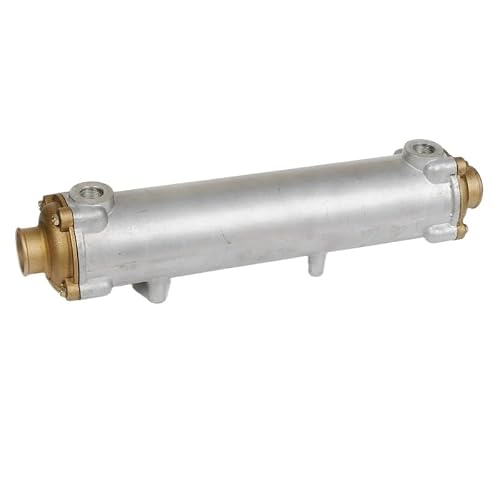
Best for: Saltwater boats requiring durable engine cooling with strong corrosion resistance. Titanium heat exchangers offer stable heat transfer under demanding workloads and harsh environments.
Why selected: The unit combines heavy-duty cast iron construction with a titanium core in the heat exchanger, providing robust temperature resistance and long service life in marine conditions.
Limitations: Titanium components can be more expensive and may require specialized fittings or installation expertise in some boat layouts.
AB Water To Air Heat Exchanger 10×10 With 1″ Copper Ports

Best for: Smaller vessels or dockside setups where water-to-air heating is preferred. The 10×10 size with 1″ ports supports flexible integration with boilers or solar heating sources.
Why selected: It features epoxy-coated fins for extended wear and solid copper/aluminum alloy for efficient heat transfer. The base brazed construction supports high pressure and temperature without leaking.
Limitations: The 10×10 footprint may limit heat output on larger boats or cold climates; ensure the system’s heating load matches this exchanger’s capacity.
AB Pool Heat Exchanger 155kBtu Stainless Steel 316L

Best for: Large boats or spa/pool-supporting systems where higher heating capacity is needed. Stainless steel 316L resists corrosion from chemical and chlorinated water used on decks or pools aboard.
Why selected: The unit is designed for up to 11,900 gallons with a 155 kBtu/hr capacity and uses a corrosion-resistant stainless steel construction to endure marine chemistry over time.
Limitations: Heavy to install and requires careful plumbing planning to prevent flow restrictions or pressure losses on smaller vessel layouts.
Kuuma 11810 6-Gallon Marine Water Heater
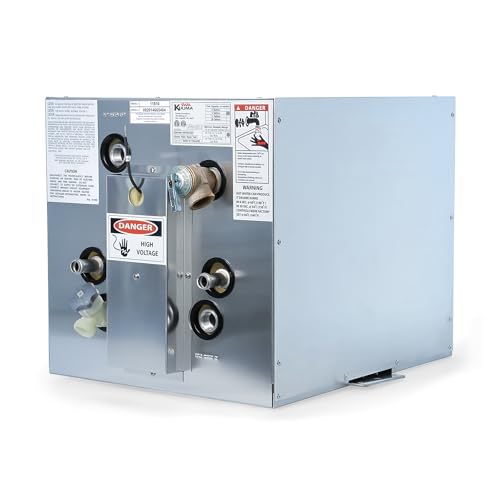
Best for: Small to mid-size boats needing a reliable built-in hot water source. The 6-gallon capacity is well-suited for showers, cooking, and general boat tasks on voyages.
Why selected: It provides consistent hot water with a marine-friendly heat exchange approach and 120V operation, integrating smoothly with standard boat electrical systems.
Limitations: The 6-gallon size may require more frequent refilling on long trips or high-demand days; consider pairing with supplemental heat sources for extended voyages.
Buying Guide: Key Considerations For Boat Heat Exchangers
What type of heat exchanger fits your boat depends on your heating source, cooling needs, and space. The main categories are water-to-air, water-to-water, and pool/spa style units. Assess the following:
- Operating Environment: Saltwater or fresh water, humidity, and exposure to chemicals affect material choice (stainless steel, titanium, copper, or cast iron).
- Heat Transfer Capacity: Match BTU/h or kBtu ratings to your heating or cooling load. Larger vessels or more demanding climates require higher capacity units.
- Installation Space: Consider mounting space, plenum clearance, and port sizing. Some units use 1″ MPT ports, others fit smaller or larger configurations.
- Material Durability: Corrosion resistance and structural integrity matter for longevity in marine conditions.
- Power Source Compatibility: If a unit is electric-powered or relies on boiler/solar inputs, ensure electrical requirements align with your boat’s systems.
- Maintenance Needs: Simpler designs with accessible ports reduce service time. Brazed joints can offer leak resistance but may require professional service for some repairs.
Comparison Snapshot
- Best for rugged outdoor use: GPOAS 20×20 Heat Exchanger (durable, easy install, high heat transfer)
- Best for harsh saltwater engines: Marine Engine Water Cooler with Titanium Exchanger
- Best for compact spaces: AB Water To Air 10×10 exchanger
- Best for large-volume heating: AB Pool Heat Exchanger 155kBtu
- Best for onboard hot water: Kuuma 6-Gallon Marine Water Heater
FAQ
- Do heat exchangers require professional installation? Some units are designed for easy screw-in installation, but many marine systems benefit from professional plumbing to ensure leak-free connections and proper flow.
- Can I use any heat exchanger with my boat’s boiler? Compatibility depends on port sizes, mounting, and flow direction. Check manufacturer specifications for recommended hookups.
- Which material lasts longest in saltwater environments? Stainless steel 316L and titanium components typically offer superior corrosion resistance in marine settings.
- Is a higher BTU rating always better for boats? Not necessarily; it must match your heating load and available water flow to avoid inefficient oversizing.
- Do heat exchangers require electricity? Some designs are electricity-free, relying on existing heat sources; others require an electrical supply for pumps or fans.
- How do I know if a unit fits my boat? Measure available space, port size, and verify mounting compatibility with your plenum or hull space.