When choosing a boat fire suppression solution, you want fast-acting, maintenance-free protection that fits your vessel’s spaces and risks. This guide highlights five top picks ideal for boats and marine environments, focusing on automatic, non-toxic options and reliable manual extinguishers. Best for compact engine bays, storage compartments, and cabins, these choices balance ease of installation with effective fire control. Consider the space volume, fire class coverage, and whether you need auto-activation or a human-initiated device for onboard safety.
| Product | Best For | Key Benefit |
|---|---|---|
| Kidde Fire Extinguisher for Boats | Small to medium boats | Marine-grade durability with 5BC rating |
| HAVEN Automatic Heat-Activated Device | Cabins, attics, garages on boats | Heat-activated, no power required, long-term storage |
| FEROSTICKER Small Automatic Fire Extinguisher (1 Pack) | Electric panels, lithium battery storage | Self-activating at 170°C, tool-free install |
| FEROSTICKER Small Automatic Fire Extinguisher (2 Pack) | Ships and large electricals | Broad protection in enclosed spaces, quick install |
| First Alert Marine Fire Extinguisher | General boat fires | UL rated, all-metal construction, rechargeable |
Kidde Fire Extinguisher for Boats
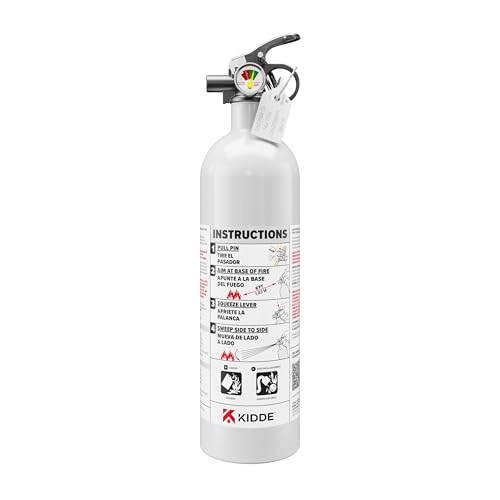
Brand: Kidde. This marine-specific extinguisher is designed to address common boat fires, including flammable liquids and electrical equipment. It emphasizes corrosion-resistant construction with an all-metal valve assembly and a durable stainless-steel lever for reliable operation. The included class B and C coverage makes it suitable for engine compartments and electrical panels on vessels. Best for boats requiring a robust, corrosion-resistant unit that handles typical marine fire scenarios. Limitation: as a single unit, consider mounting locations that maximize spray reach in confined spaces.
HAVEN Automatic Heat-Activated Fire Suppression Device

Brand: HAVEN. This heat-activated device provides automatic fire suppression in residential-style spaces aboard boats, such as cabins or storage areas. It does not require power and is designed to protect a typical 100 sq ft area. Best for boats seeking a maintenance-free option that activates by ambient heat, reducing false alarms in non-fire conditions. It offers five-year reliability but may require battery considerations for testing in some setups.
FEROSTICKER Small Automatic Fire Extinguisher (2 Pack)

Brand: FEROSTICKER. These compact, non-toxic extinguishers activate automatically at 170°C and are designed for small, enclosed spaces like electric panels, lithium battery storage, fuse boxes, and solar generators on boats. Best for high-risk, confined areas where quick activation is crucial and manual intervention is impractical. Better for multi-space coverage with two units; limitation: a single unit covers limited volume per device, so plan placement to maximize protection.
FEROSTICKER Small Automatic Fire Extinguisher (2 Pack) for Ships and Large Electric Panels
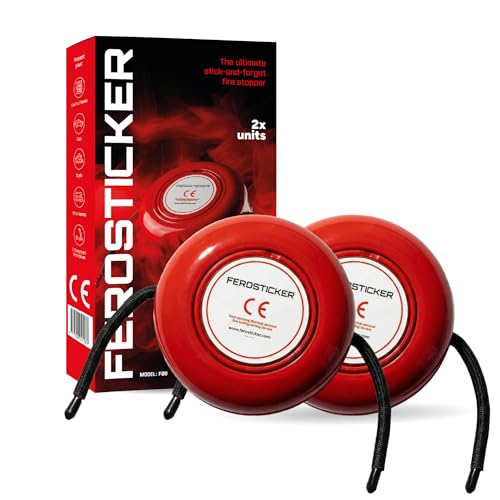
Brand: FEROSTICKER. Aimed at ships, large electric panels, and industrial setups, this pack extends protection across bigger electrical infrastructures aboard. Activated at 170°C, it avoids electricity needs and is designed for quick stick installation. Best for vessels with multiple high-risk zones requiring distributed, automatic fire suppression. Caution: ensure proper spacing between units to ensure broad coverage rather than clustering in one area.
Buying Guide
- What fire classes do you need to cover? Consider classes A, B, C, E and F when selecting automatic devices. For boats with electrical gear and lithium batteries, prioritize products explicitly rated for these risks.
- Auto-activation vs. manual use: Auto devices improve response time in engine rooms or storage compartments, while manual extinguishers offer control for crew during a fire event. Balance these based on space and crew readiness.
- Space and placement: Smaller boats may need compact auto extinguishers in engine bays and battery areas. Larger vessels benefit from multiple devices placed to maximize coverage without obstruction.
- Maintenance and replacements: Non-toxic, maintenance-free units reduce ongoing upkeep. Check compatibility with your vessel’s material surfaces and installation method to avoid interference with hull or equipment access.
- Installation ease: Look for “peel and stick” or tool-free installation for fast deployment. Ensure mounting surfaces are dry, clean, and flat for optimal adhesion and stability during motion.
- Replacement strategy: For ships and larger cabins, consider a mix of auto devices and one or more portable extinguishers inspected by a marine technician or certified professional when recharging or servicing is possible.
Frequently Asked Questions
- What is an auto-activation fire extinguisher?
It automatically activates when a preset temperature is reached, releasing an extinguishing agent without manual intervention.
- Are these devices safe for lithium batteries?
Yes, many are designed to suppress fires in lithium battery storage areas, but verify the product’s listed fire class coverage and recommended use with lithium battery compartments.
- Can I install these by myself?
Most Ferosticker and Haven models advertise tool-free installation; however, follow the manufacturer’s guidelines for surface preparation and placement.
- Do these extinguishers require electricity or a power source?
Most listed options operate without electricity or batteries, relying on thermal activation to release the extinguishing agent.
- How many devices should I place on a boat?
Plan coverage for high-risk zones (engine room, battery storage, fuse boxes). Larger vessels often benefit from multiple devices to ensure rapid suppression if one area is compromised.
- Can these be recharged after use?
Some models are rechargeable by certified professionals; check the specific product’s service options and whether recharging is practical for your vessel.