Find the right small motor for your inflatable boat with clear, practical guidance. This guide highlights compact, efficient outboards and trolling motors that fit dinghies, kayaks, canoes, and inflatable boats. It targets buyers seeking easy-starting, reliable propulsion for fishing trips, quick sightseeing, or calm-water adventures. Below, each product includes who it’s best for, why it was selected, and a practical caveat. A quick comparison table helps you compare at a glance.
| Product | Best For | Why It Was Selected |
|---|---|---|
| HinLIaDa 2-Stroke 2.3HP | Small inflatable boats and yachts | Balanced power, lightweight aluminum build, easy steering |
| Watersnake T18 ASP | Ultra-portable trolling on kayaks and dinghies | Very light, reasonable thrust, simple tiller control |
| Newport NV-Series 36lb | All-day trolling for larger inflatables | Strong 36 lb thrust, adjustable and quiet |
| YIYIBYUS 2.3HP Outboard | Inflatable boats and dinghies needing reliable gas power | Similar specs to HinLIaDa with robust materials |
| CUKUSIN 4 Stroke 4hp | Rod-and-reel fishing inflatables and small boats | Four-stroke reliability, good fuel efficiency |
Product selections emphasize motors that balance weight, power, and ease of use for inflatable watercraft. The list avoids overly complex or heavy models while prioritizing models with clear mounting capabilities and straightforward operation. Use this as a practical starting point for choosing a motor that matches your boat size, typical load, and the water conditions you expect to encounter.
HinLIaDa 2-Stroke 2.3HP Outboard Motor
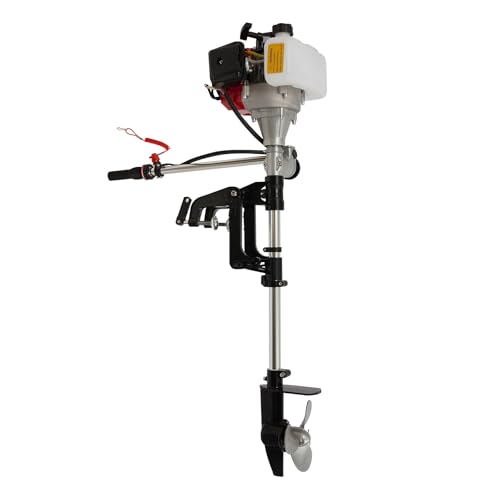
Reference: 2.3HP, 52cc displacement, and a 4500-8500rpm operating range provide notable pace for compact craft. The motor is built with aluminum and PP, offering corrosion resistance and durability. Its 120° steering angle helps with quick, responsive direction changes. This model is best for small inflatable boats and light dinghies where a compact, simple engine is preferred. A potential limitation is that two-stroke engines require fuel mixing and maintenance more frequently than some four-stroke options.
Watersnake T18 ASP 18 lb Thrust
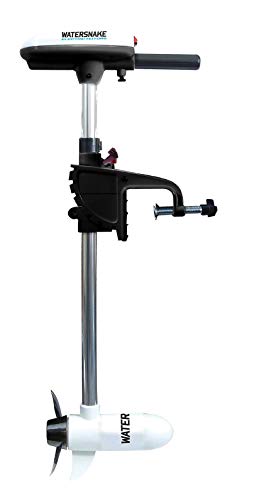
Reference: A 12V electric trolling motor with 18 pounds of thrust. It is exceptionally portable, weighing about 4.85 pounds, and designed for kayaks, canoes, small dinghies, and inflatable boats. It uses a hand tiller with an extendable handle and includes a weedless propeller design for easier maintenance in vegetation. Best for anglers needing light, battery-operated propulsion. Caution: Battery and charging setup are not included, so plan for a compatible battery and charger.
Newport NV-Series 36lb Electric Trolling Motor

Reference: A 36-pound thrust trolling motor, 12V operation with eight speeds (five forward, three reverse). It includes a 30-inch shaft, a 6-inch telescoping tiller, a battery meter, and an adjustable mount. It is designed for fishing inflatables and small boats, delivering consistent performance with a quieter operation compared to gas counterparts. Best suited for steady trolling and longer sessions. Limitation: Real-world speed depends on boat weight and conditions, and it may not push very heavy loads quickly.
YIYIBYUS 2.3HP Gas Outboard

Reference: A robust 1.7kW (2.3HP) gas outboard with 52cc displacement and similar performance range to HinLIaDa. Made with durable aluminum and PP construction for corrosion resistance. Best for inflatable boats and dinghies that require reliable gas power with accessible fuel mixing (ratio typically around 25:1). Choose this if you want comparable power in a slightly different build. Caution: Two-stroke engines require regular maintenance and oil-fuel mix monitoring.
CUKUSIN 4 Stroke 4HP Outboard

Reference: Four-stroke, 4HP engine designed for inflatable boats, kayaks, dinghies, canoes, and small jon boats. It features a short shaft and air cooling with a twist-throttle for safety and control. Best for users who prioritize fuel efficiency and longer, steadier runs without fuel-muel mixing. Caution: Heavier than some 2-stroke options; consider your boat’s weight and balance when choosing this model.
Buying Guide
What size motor should you choose for an inflatable boat? Choose by boat length, weight, and intended use. For casual cruising or fishing near shore, a 2.3HP gas outboard (2-stroke) or a compact electric trolling motor can be sufficient. For longer days or heavier loads, a 36lb thrust electric trolling motor or a 4HP gas motor offers stronger propulsion. Consider the fuel type you prefer, maintenance requirements, and noise levels when selecting.
Gas vs. electric: Gas engines deliver more power on demand and work well when battery options are limited. Electric trolling motors provide quiet operation, easier maintenance, and predictable performance, but require a suitable battery and charging plan. If you choose a gas option, verify fuel efficiency and the availability of fuel for your trips. If you opt for electric, plan battery options for the duration of your use.
Mounting and control: Ensure your inflatable boat supports the motor mount size and shaft length. Short shafts suit smaller inflatables; longer shafts help with deeper water and rougher conditions. For electric models, verify mounting compatibility with your boat’s transom and the tiller control reach that matches your seating position.
Performance expectations: Real-world speed and maneuverability depend on boat weight, water conditions, and load. In calm water, a 4HP gas motor and a 36lb electric motor can deliver stable propulsion for typical inflatable setups. For weed-choked waters, consider a motor with a weedless propeller or weed escape feature.
FAQ
- What’s the difference between 2-stroke and 4-stroke outboards? Two-stroke engines are lighter and offer high power-to-weight but require fuel mixing and more frequent maintenance. Four-stroke engines are heavier, burn cleaner, and typically have longer service intervals.
- Is an electric trolling motor good for inflatable boats? Yes, for smaller inflatables and calm-water use. They are quiet, easy to maneuver, and require a battery and charger, but provide sufficient thrust for light to moderate loads.
- Do I need a long shaft for inflatable boats? A long shaft is often better for deeper water and larger inflatables to prevent cavitation in waves and keep the prop clear of the hull.
- What maintenance is required for gas outboards? Regular fuel mixing (for two-stroke), fuel line checks, spark plug inspection, and routine cleaning help maintain performance and longevity.
- How do I choose between gas and electric for fishing? Consider how long you’ll be on the water, whether you need silent operation, and whether you have reliable battery access or prefer carrying extra fuel for gas engines.
- Can I use any motor on any inflatable boat? Motors must be compatible with your boat’s transom mount and shaft length, and the boat’s weight rating must align with the motor’s thrust or horsepower.