Answering the need for dependable 12V trolling motor power, this guide compares five top options designed for boats, RVs, and off-grid setups. Each battery is evaluated for weight, depth of discharge, cycle life, and suitability for trolling motors. Best for lightweight boats, best for long cruises, and best for cold-weather use are highlighted to help you choose fast.
- Newport 12V50Ah Deep Cycle AGM Marine Battery — Best for lightweight setups and straightforward trolling motor compatibility.
- CHITOLI 12V 100Ah LiFePO4 Group 24 — Best for high cycle life and lead-acid replacement with smart BMS.
- GREENOE 12V 100Ah LiFePO4 Group 31 — Best for higher energy density and cold-weather protection.
- LITHINENG 12V 100Ah Bluetooth LiFePO4 Group 24 — Best for real-time monitoring and extended lifecycle with smart BT.
- FLLYROWER 12V 100Ah LiFePO4 — Best for deep-cycle durability and versatile series/parallel pairing.
Newport 12V50Ah AGM Deep Cycle Marine Battery
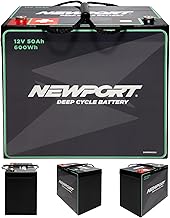
Best for lightweight, easy-transport trolling motor power on small to mid-sized boats. This 32-pound sealed AGM battery emphasizes rugged, leak-proof performance with maintenance-free operation. It is specifically designed to pair with trolling motors, delivering reliable power without adding excessive weight to the craft. The sealed construction minimizes spills and corrosion risk in marine environments. Consider this option if you prioritize simple installation and portability in shallow-draft craft or kayaks with deeper discharge needs.
Who it’s best for: boat owners seeking a lightweight, reliable AGM battery for trolling motors, especially where weight matters. Why selected: combines a compact form with strong marine durability and leak-proof design. Caution: AGM batteries require proper ventilation and charging following the manufacturer’s guidelines to maximize life.
12V 100Ah LiFePO4 Group 24 — CHITOLI

Best for long-cycle life and lead-acid replacement. This LiFePO4 Battery weighs about 22.57 pounds, roughly 35% lighter and 60% smaller than typical lead-acid equivalents. It is built for up to 4000+ cycles at 100% DOD, with a smart BMS that guards against overcharge, over-discharge, over-current, and short circuits. Note that it is optimized for energy storage rather than starter use. Choose this for high-efficiency, deep-cycle needs in trolling motor setups or RV/satellite applications where full discharge can occur.
Who it’s best for: users seeking a long-lasting Lithium Iron Phosphate upgrade with robust protection. Why selected: strong cycle life and safety features. Caution: designed more for energy storage than direct engine starting; confirm compatibility with your trolling motor’s voltage and BMS requirements.
GREENOE 12V 100Ah LiFePO4 Battery, Group 31

Best for cold-weather resilience and high energy density. This Group 31 LiFePO4 pack includes a built-in BMS with protections against overcharge, over-discharge, and short circuits, plus a wide operating range. It weighs about 22.48 pounds, easing transport and installation. The battery supports long deep-cycle life (up to ~15,000 cycles at lower DOD) and is UL-certified for safety. Use it for trolling motors that demand solid energy capacity, long life, and reliable cold-weather operation.
Who it’s best for: boaters in variable temperatures needing dependable LiFePO4 performance. Why selected: strong protection features and lightweight design. Caution: ensure your charging setup provides 14.6V ± 0.2V to match BMS expectations and avoid improper charging in extreme cold.
LITHINENG Bluetooth LiFePO4 12V 100Ah — Group 24

Best for real-time monitoring and remote management. This 12V 100Ah LiFePO4 battery features Bluetooth real-time monitoring via an app, with a 100A BMS for protection and temperature resilience. It supports up to 15000 deep cycles and offers data on voltage, current, and capacity. The package notes rugged performance under a wide temperature range and strong protection against common electrical faults. Ideal for users who want to track system health from a mobile device while running trolling motors or off-grid systems.
Who it’s best for: tech-minded boaters who want live battery data and integrated protection. Why selected: Bluetooth monitoring adds visibility and proactive maintenance. Caution: ensure reliable Bluetooth pairing and app compatibility with your device and BMS firmware.
FLLYROWER 12V 100Ah LiFePO4 Battery With BMS

Best for deep-cycle endurance and flexible configurations. This 100Ah LiFePO4 battery includes a comprehensive BMS and supports up to 16500 deep cycles. It is suitable for marine trolling motors, RVs, off-grid solar, and other demanding uses. The battery also supports series connections (up to 5S) for higher voltages and various parallel arrangements for larger capacity, enabling scalable setups for different boating needs.
Who it’s best for: users needing a highly durable, scalable power source for extended trolling motor use or multi-battery configurations. Why selected: exceptional cycle life and versatile connection options. Caution: verify that your motor’s voltage and BMS can integrate with a multi-battery array safely.
Buying Guide
Key purchase considerations for 12V trolling motor batteries include chemistry, weight, cycle life, safety features, and compatibility with your vessel’s electrical system.
- Battery chemistry: AGM vs LiFePO4. AGM is maintenance-free and robust in the short term but heavier and with fewer deep cycles. LiFePO4 offers longer life, higher energy density, and better cold-weather performance but at a higher upfront cost.
- Weight and size: lighter batteries improve handling on small boats. Compare weight and dimensions to fit your mounting space and balance needs.
- Cycle life and DoD: higher cycle counts and deeper usable charge improve long-term value. LiFePO4 often provides thousands of cycles at varying DoD levels.
- BMS and protection: a smart BMS protects against overcharge, over-discharge, short circuits, and temperature extremes. Essential for safety and longevity.
- Charger compatibility: ensure your charger supports the battery’s chemistry and voltage window. Some BMSs require specific charging profiles to maximize life.
- Cold-weather operation: some LiFePO4 cells maintain performance in cold conditions, while others drop efficiency. Check temperature specs for your cruising season.
- Installation considerations: space, venting (AGM requires proper ventilation in enclosed compartments), and wiring gauge are important for reliable performance.
Frequently Asked Questions
- What is the difference between AGM and LiFePO4 for trolling motors? – AGM is maintenance-free and strong for short-term use; LiFePO4 offers longer life, lighter weight, and better deep-cycle performance for extended trips.
- Can I mix battery chemistries in one trolling motor setup? – It’s generally not recommended due to different voltage and charging requirements that can strain BMS protections and reduce overall efficiency.
- What should I consider for cold-weather trolling? – Look for LiFePO4 with broad operating temperatures and a robust BMS. Some packs have lower available capacity at extreme cold.
- How many amp-hours do I need for a trolling motor? – This depends on your trolling motor draw, boat size, and cruising time. Higher Ah ratings extend runtime but add weight and cost.
- Is a higher-cycle battery always better? – Higher cycle life typically increases overall value over time, especially for frequent use or long seasons.
- Do I need to replace all batteries at once? – If using a multi-battery system, ensure matched chemistries and similar aging to avoid imbalanced charging.