Best Plastic Thru Hull Fittings for Boats and Yachts
Finding the right plastic thru hull fittings helps keep bilge, scuppers, and livewell plumbing secure and leak-free. This guide highlights five reliable options for common hose sizes, explaining who each is best for and why. It’s ideal for boaters prioritizing corrosion resistance, simple installation, and durable plastic construction. The selections below emphasize easy above-waterline connections, UV resistance, and affordable maintenance.
Buyer overview (quick reference):
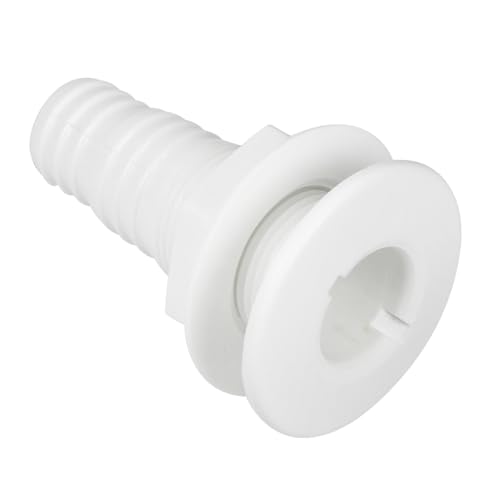
Best for overall versatility: SEAFLO Thru Hull Fittings (1″)
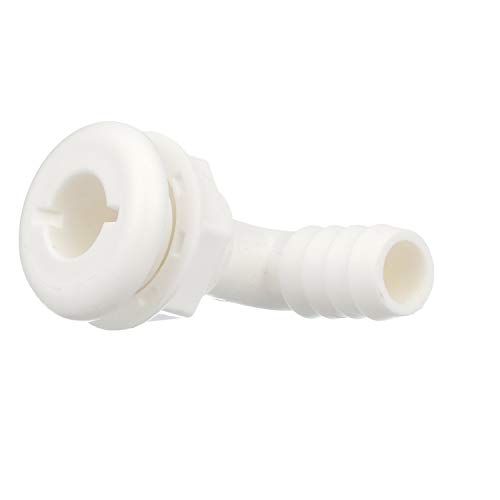
Best for ¾” hoses and angled routing: Seachoice 90-Degree Angled Thru-Hull Connector
Best for ¾” to 1″ hoses with durable ABS: Grngven Marine ABS Thru-Hull Fittings (3/4″ and 1″ options)
Best for smaller installations or scuppers: Five Oceans 1/2-Inch Thru-Hull Fittings
Best for universal 3/4″ applications: ORLANG 3/4″ ABS Thru Hull Fittings
The SEAFLO 1″ thru hull fitting is a polypropylene plastic option designed for 1″ hoses, offering a balance of light weight and durability. It is marketed with a four-year warranty and a white finish suitable for above-waterline installations. Best for boaters needing a straightforward, corrosion-resistant connection for standard bilge or overflow drains that run through the hull. A potential limitation is compatibility with only 1″ hose, which may not fit smaller lines without adapters.
This Seachoice angled thru-hull connector is designed for ¾” inside-diameter hoses with a 90-degree angle, making routing in tight engine bays or near railings easier. It provides a reliable connection and is suited for systems where straight-line routing is impractical. Best for limited space installations. Limitation: it specifically fits ¾” hoses, so sizing is essential to avoid leaks or the need for adapters.
Grngven’s 3/4″ ABS plastic thru hull fittings emphasize corrosion resistance and simple, above-waterline installation. They note adjustable rotation torque and a universal fit for secure connections. Best for boaters who want easy installation and consistent performance in saltwater environments. Caution: verify that your hose ID matches ¾” to ensure a snug fit without leaks.
This Grngven 1″ ABS plastic thru hull fitting is built for 1″ hoses, with corrosion resistance and straightforward inner-beam installation. Best for larger-bore applications such as scuppers and bilge lines where a robust, above-waterline seal is desired. Limitation: a single 1″ size may require adapters if other hose sizes are used in the same plumbing run.
Five Oceans offers a ½” thru-hull option in white polypropylene, suitable for smaller lines such as scuppers or sink drains. Best for compact installations or where space is limited. It provides UV and weather resistance typical of polypropylene. Limitation: not ideal for larger hose applications where a bigger fitting is needed.
Seachoice Polypropylene Extra Long Thru-Hull Connector
Seachoice offers an extra-long ¾” ID hose connector in white polypropylene. Best for routes requiring extended reach or where extra length improves routing clarity. Choose this if you need a longer piece to bridge a gap in the line. Caution: verify the flange size (1-3/4″) to ensure compatibility with mounting holes on your hull.
ORLANG’s 3/4″ ABS thru hull fittings promise high-quality materials, UV resistance, and corrosion resistance. They’re described as compatible with a variety of marine systems, including water intakes and bilge pumps. Best for DIY boaters who want reliable, rust-free performance. Limitation: these fittings are 3/4″ and may require adapters for different hose diameters or multiple lines in a single system.
Buying Guide
What material should I choose?
ABS and polypropylene are common for plastic thru hulls. ABS is durable and UV-resistant, while polypropylene resists corrosion and is lightweight. Consider the marine exposure and whether metal components are present elsewhere in the system.
What hose size is needed?
Match the hose inner diameter (ID) to the fitting. Common sizes are 1/2″, 3/4″, and 1″. Using the wrong size may cause leaks or poor sealing. If you need multiple sizes, plan for adapters or multiple fittings.
Is angle important?
Angles (such as 90-degree fittings) help with tight routing and crowded engine bays. If space is open, a straight fitting may simplify installation and reduce potential leak points.
What about installation durability?
Look for above-waterline seals, reinforced flanges, and torque-rated fittings. A longer service life comes from corrosion resistance and stable mounting. Always ensure proper tightening to avoid leaks without overtightening and damaging the hull.
Do warranties matter?
A warranty (for example, several years) can indicate confidence in material longevity and reduce replacement costs. Compare warranty terms with expected exposure conditions and maintenance routines.
FAQ
Q: Are plastic thru hull fittings suitable for saltwater? A: Yes, many are designed specifically for saltwater environments, offering corrosion resistance and UV stabilization.
Q: Can I reuse old fittings, or should I replace them with plastic options? A: Replacing with new plastic fittings often improves seal integrity and reduces leakage risk.
Q: How do I know the correct size for my hose? A: Check the hose inner diameter and compare it to the fitting’s stated size. Use adapters if needed.
Q: Is 90-degree angle always best? A: Not always; angles help in tight spaces, but straight fittings minimize potential leak points when routing permits.
Q: Do these fittings require special tools? A: Typically a basic wrench and plumber’s tape are sufficient; follow installation guidelines for torque and sealing.