Choosing the right copper bottom paint for boats is essential for keeping hulls clean and efficient in salt, brackish, and freshwater. This guide highlights top options that balance protection, ease of use, and environmental considerations. The selections are suitable for fiberglass, wood, steel, and aluminum hulls and are aimed at frequent boaters, sailors, anglers, and commercial users who want reliable, single-season performance. The overview below helps buyers compare copper-based products against copper-free alternatives to fit different vessel needs and local marina rules.
Summary table of selected products:
– TotalBoat Underdog Marine Antifouling Bottom Paint (Black, Gallon) — Best for frequent saltwater use; economical single-season protection.
– TotalBoat JD Select Ablative Antifouling Bottom Paint (Black, Gallon) — Best for self-polishing performance and easy cleanup.
– Rust-Oleum 396967 Marine Bottom Antifouling Paint (Quart) — Best budget option with copper release characteristics.
– TotalBoat Alumipaint AF Copper Free Bottom Paint (Black, Quart) — Best for copper-free protection on aluminum and pontoon boats.
– TotalBoat Krypton Copper Free Antifouling Bottom Paint (Black, Quart) — Best for copper-free performance across multiple substrates.
TotalBoat Underdog Marine Antifouling Bottom Paint
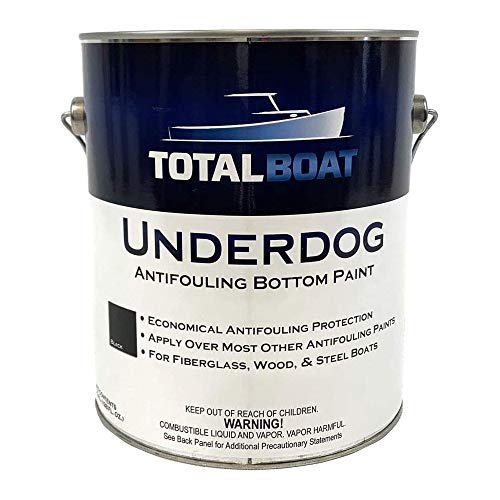
Best for boats that spend substantial time in saltwater and are hauled or launched repeatedly. This copper biocide formulation provides single-season protection by preventing barnacle and mussel attachment as water flows under the hull. It adheres to properly prepared fiberglass, wood, steel, and iron hulls and resists wear during trailering and beaching. The product is economical, making it a practical choice for sailboats, power boats, and work boats. Caution: avoid use on surfaces not specified in the label and in marinas with strict antifouling restrictions on copper content.
TotalBoat JD Select Ablative Antifouling Bottom Paint

Best for boats needing a self-polishing finish that wears away gradually, exposing fresh biocide as the boat moves. Suitable for fiberglass, wood, and steel in both saltwater and freshwater. It minimizes bottom paint buildup, reducing sanding next season, and can be burnished for smoother performance. Low odor and low VOCs plus easy soap-and-water cleanup make it appealing for marinas with environmental restrictions. Caution: ensure proper surface preparation and monitor for required recoat windows to maintain protection.
Rust-Oleum 396967 Marine Antifouling Paint

This quart offers a practical balance of cost and protection. It is designed for fiberglass, wood, or steel surfaces and releases copper slowly to reduce fouling. The paint allows recoat in about four hours and launch readiness within roughly 16 hours, covering up to 110 square feet. Best for budget-conscious owners and smaller vessels or boats with lighter use. Limitation: Copper release timing may vary with water temperature and boat speed, so plan applications with local conditions in mind.
TotalBoat Alumipaint AF Copper Free Bottom Paint
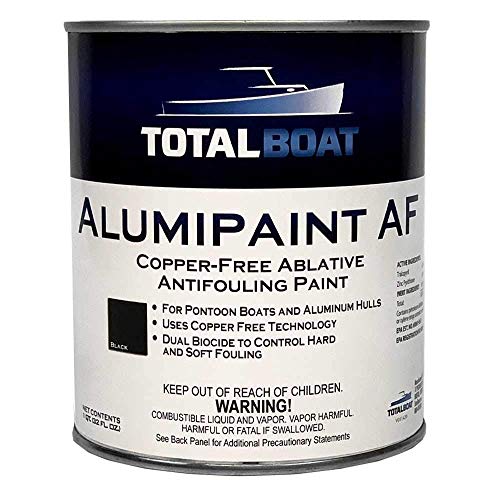
Best for aluminum hulls and pontoon boats where copper-based paints are undesirable. This copper-free ablative paint wears away to continually expose fresh biocide, delivering single-season protection without copper-related galvanic concerns. It is specifically formulated for pontoon and aluminum boats, preventing fouling below the waterline. Caution: not ideal for copper-containing alloys or galvanized metals where different coatings may be required.
TotalBoat Krypton Copper Free Antifouling Bottom Paint

Best for a versatile, copper-free solution across fiberglass, wood, steel, iron, and aluminum hulls, as well as outdrives and trim tabs. It provides strong single-season protection against barnacles, weeds, algae, and slime in various water conditions. Copper-free formulation avoids galvanic corrosion on aluminum and other metals while offering bright color retention compared to copper-containing paints. Caution: performance may vary with high-fouling environments; verify compatibility with all hull materials and fittings.
Buying Guide: Key Considerations For Copper Bottom Paint
- Substrate compatibility: Confirm the coating supports fiberglass, wood, steel, aluminum, and pontoon hulls as needed.
- Water type and usage: Choose ablative (self-polishing) for boats moving frequently; choose copper-free options for aluminum and outdrives if copper is a concern.
- Environmental regulations: Some marinas restrict copper content; copper-free formulas can be preferred in sensitive areas.
- Application and maintenance: Consider cure times, ease of cleanup, and whether annual repainting aligns with your maintenance schedule.
- Longevity and season length: For long boating seasons or frequent launch cycles, select products marketed for single-season protection.
- Safety and fumes: Low-VOC and water-based options are better for marinas with strict environmental guidelines.
Frequently Asked Questions
- What is copper bottom paint used for?
– It helps prevent barnacles, weeds, and slime from attaching to the hull, improving speed and fuel efficiency. - What does ablative mean in antifouling paints?
– Ablative paints wear away as the boat moves, continuously exposing fresh biocide and reducing buildup. - Are copper-free options as effective as copper-based paints?
– Copper-free formulas offer comparable protection while avoiding galvanic concerns on certain metals. - How long before launching after painting?
– Many formulations require a specific cure window; follow label directions for recoat and launch times. - Can I mix copper-based and copper-free paints on the same hull?
– It is generally discouraged due to potential chemical interactions; use a single coating strategy per hull zone.