Need reliable propulsion for saltwater fishing? This guide highlights 100 lb thrust trolling motors that balance strong power with dependable performance. Each option is suited for anglers who fish in open water, rougher conditions, or larger boats where aggressive trolling is common. The top picks emphasize durability, battery indicators, adjustable shafts, and user-friendly controls for long days on the water. The following table summarizes key details to help you compare at a glance.
| Product | Thrust | Shaft Length | Best For |
|---|---|---|---|
| Newport L-Series 86lb Thrust Transom | 86 lb | 40″ | Medium to large boats; all-day trolling with visibility on battery meter |
| Newport NV-Series 86lb Thrust | 86 lb | 36″ | Wider trolling range; versatile for varied boat sizes |
| Newport NV-Series 55lb Thrust | 55 lb | 30-36″ | Smaller to mid-size boats; cost-conscious option |
| PEXMOR 86lb Thrust Electric Trolling Motor | 86 lb | Unknown | Saltwater or kayak setups needing adjustable depth/angle |
| AQUOS Haswing CaymanB 80lb | 80 lb | 54″ | Bow-mount flexibility; wireless control for hands-free fishing |
Newport L-Series 86lb Thrust Transom Mounted Motor
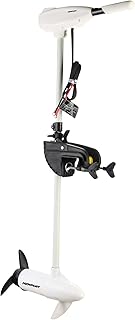
Best for larger boats that require robust power and long-day reliability. This 86 lb thrust, 24V trolling motor features a 40″ shaft, a 5-LED battery meter, a 6″ telescoping tiller handle, and a 3-blade propeller. With eight speeds (5 forward, 3 reverse), it provides solid low-end torque for moving boats in calm or choppy water. The mount, height, and direction are adjustable and lockable, helping maintain precise positioning in variable conditions. A potential limitation is the longer shaft height, which may be less suitable for very shallow water or smaller craft.
Who it’s best for: anglers with mid-to-large boats seeking consistent all-day trolling performance and clear battery status at a glance. Why selected: combination of high thrust, adjustable rigging, and a visible battery indicator supports longer trips without guesswork.
Caution: 40″ shaft is longer than some options, which may complicate shallow-water use on small transoms.
Newport NV-Series 55lb Thrust Saltwater Motor

Best for boats that don’t require maximum power but still need reliable trolling with clear battery status. This 55 lb thrust model provides a 30″ shaft, 5-LED battery meter, 6″ telescoping tiller, and a 3-blade propeller. It offers eight speeds (5 forward, 3 reverse) and a top speed around 4 mph, depending on boat dynamics. The depth and angle are adjustable for versatile mounting. This option is favorable for budget-conscious anglers who still want dependable saltwater performance. Caution: lower thrust means slower startup in heavy winds or currents.
Who it’s best for: small to mid-sized boats, anglers prioritizing cost efficiency without sacrificing essential features. Why selected: compact 30″ shaft with a readable battery meter supports straightforward day trips.
PEXMOR 86lb Trolling Motor

Best for saltwater or kayak setups needing strong lifting power with adjustable depth and angle. This 86 lb thrust model uses 24V power, with a 6″ telescoping handle for versatile control. It features 5 forward and 3 reverse speeds for smooth trolling, and an adjustable shaft angle via a simple button and depth control knob. The motor is designed to operate efficiently with minimal noise to reduce fish spooking. Limitation: exact shaft length isn’t specified, which may affect fit on some boats.
Who it’s best for: anglers who need reliable high thrust in variable water conditions and appreciate flexible shaft positioning. Why selected: combines substantial thrust with adjustable depth and angle, aiding stability in waves.
AQUOS Haswing CaymanB 80lb Bow Mount

Best for bow-mount setups needing wireless control and extended reach. The CaymanB delivers 80 lb thrust with a 54″ shaft, designed for both saltwater and freshwater use. It includes wireless remote and wireless foot control, offering up to 180 ft remote range for hands-free steering. Quick-release bracket makes installation and removal straightforward. Cruise control is available via the remote, though it is not spot lock. Limitation: not GPS-enabled, so exact position hold may require manual adjustments in currents or wind.
Who it’s best for: anglers who want hands-free control and a long-reaching shaft for deep-water trolling. Why selected: has wireless versatility and a long shaft, ideal for larger craft and open-water trolling.
Buying Guide: Choosing the Right 100 lb Thrust Trolling Motor
What should you consider when selecting a 100 lb thrust trolling motor?
- Boat size and weight: Larger boats need higher thrust to maintain speed and maneuverability in winds and currents.
- Shaft length: Longer shafts reach deeper water and help keep the prop in clean water, but may not suit shallow docks.
- Power source: Many 100 lb models use 24V systems; verify compatible batteries and charging options for all-day use.
- Control options: Hand tiller versus wireless remote control can affect ease of use in different fishing scenarios.
- Battery indicator: A clear battery meter aids planning for trips and reduces the risk of getting stranded on the water.
- Mount type: Transom vs bow mount affects installation, balance, and steering leverage in various boat layouts.
Usage Scenarios: Which Model Fits Your Fishing Style?
- All-day trolling on mid-to-large boats: choose models with longer shafts and robust thrust, like Newport L-Series 86lb.
- Shallow-water or small to mid-sized boats: consider 36″ shaft models with strong torque but lighter overall weight.
- Hands-free control: wireless remotes and feet controls are valuable for jigging, landing, or netting and should be prioritized.
- Budget-conscious picks: mid-thrust variants still offer reliable trolling in lighter currents.
Technical Compatibility: Batteries, Mounts, and Maintenance
Ensure your boat’s electrical system supports 24V trolling motors and that your battery bank is sized for extended trolling. Confirm that the mounting brackets, propeller configuration, and tilt/shaft adjustments align with your vessel’s transom or bow layout. Regularly inspect propellers for fishing line or weed entanglements and lubricate moving joints to sustain performance.
FAQ
- What size boat needs 100 lb thrust? Generally mid-to-large boats or boats used in windy conditions benefit from 100 lb thrust to maintain speed and control.
- Is a 24V motor always required for 100 lb thrust? Most high-thrust models use a 24V setup; verify the motor’s voltage requirements before purchase.
- What shaft length should I choose? Choose a shaft length that keeps the propeller below the hull’s wake and clear of shallow water, typically 30–54 inches depending on boat height and water depth.
- Do these motors have lockable tilt or height settings? Many models feature adjustable tilt and height with locking mechanisms for stable positioning in varying conditions.
- Are wireless remotes reliable in saltwater? Reputable models include weatherproof remotes with sufficient range; check user reviews for remote responsiveness in wave action.
- Can I use these on kayaks? High-thrust units can be adapted for kayaks, but ensure proper mounting, stability, and weight distribution for safe operation.