Find the right 12-volt heater for marine use with these carefully chosen options. This guide targets boaters seeking compact, safe, and reliable heaters that can operate on standard 12V systems or battery power. Each product below is evaluated for boat cabins, engine rooms, bilges, or small cabins where space is limited. Best for seasonal boaters, day-trip crews, and live-aboards who want quick, energy-efficient warmth without heavy installation.
| Product | Best For | Why It Stands Out |
|---|---|---|
| Therelmax Boat Engine Compartment Heater | Boat bilge and engine compartments | 500W PTC heating with adjustable thermostat; designed to prevent freezing and maintain dry bilges. |
| Xtreme Heaters Boat, Cabin & RV Heater | Compact spaces on boats, cabins, and RVs | Quiet portable design with an auto shut-off when tipped; ideal for flexible placement aboard. |
| JEGS Auxiliary 12V Heater (UTV/Boat-friendly) | Small cabs or tight spaces | Compact, high airflow (260 CFM) and 28,000 BTU, three-speed motor for quick heat. |
| Aubingmotor 4 Ports 8500 BTU | Small boats and vehicles | High output in a compact unit; multiple ports for flexible installation. |
| DERNORD 12V 600W Immersion Heater | Custom or DIY boat water heating | Stainless steel immersion element with 1″ NPSM fitting for flexible tank applications. |
Therelmax Boat Engine Compartment Heater
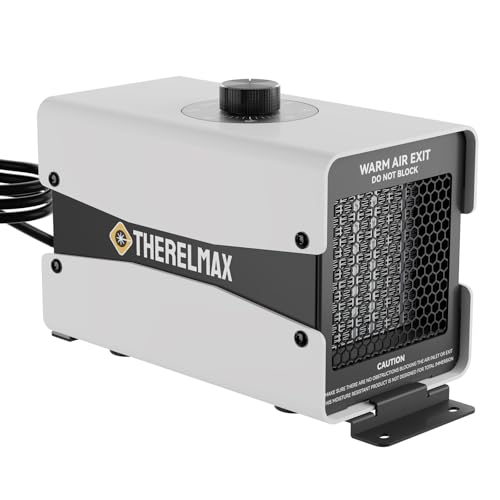
Best for keeping bilges warm and dry, this 500W PTC heater provides steady heat in cold-water environments. The built-in adjustable thermostat gives you control over temperature ranges typically used in engine compartments and bilges. Its compact form makes it suitable for boats with limited cabin or engine-room space. Cautions: ensure proper ventilation and avoid obstructing air intakes around the unit. Data indicates multiple marine applications beyond bilges, including cargo holds and small workshops on deck.
Xtreme Heaters Boat, Cabin & RV Heater

This portable heater is designed for small spaces on boats, cabins, or RVs with safety features like a tip-over switch. It is quiet and low-profile, enabling placement against walls or on carpeted surfaces without disruption. Best for: temporary warmth in pilots’ cabins, small head compartments, or as a supplemental heater during cold passages. Limitation: it relies on ambient power sources and may require careful cord management on deck or in bilges.
JEGS Auxiliary 12V Heater (260 CFM)

Best for compact cab areas or tight spaces with a need for robust airflow, this unit offers 260 CFM and a 28,000 BTU output in a small package. Suitable for small boat cabs, engine compartments adjacent spaces, or utility rooms. Choose this if you want rapid warmth in a limited footprint. Caution: ensure mounting complies with marine vibration exposure and waterproofing considerations on deck installations.
12V Car Heater By KINOWJI

Best for windshield defogging and quick interior warming in small boats when docked or underway in cold weather. This 12V unit doubles as a defroster, with a 360° rotatable base for directing airflow. It’s compact and easy to mount in cabin corners. Limitation: designed primarily for interior space and windshield defogging rather than large-area heating aboard larger vessels.
Aubingmotor 4 Ports 8500 BTU Heater

Best for boats needing a higher heating capacity in a compact footprint. The 8500 BTU rating with multiple ports offers flexibility for cabin zones or small vehicle installs. It is suitable for boats where a dedicated heating loop can be integrated. Caution: installation should consider water- and heat-well isolation to prevent moisture intrusion into electrical components.
Buying Guide: 12V Boat Heating Essentials
- What space will you heat? For bilges and engine compartments, prefer units with thermostat control and moisture resistance. For cabins, consider quieter, compact options with safe shut-off features.
- Power availability: Match the heater’s wattage to your boat’s 12V electrical capacity and battery bank. Higher BTU outputs demand more current; plan for at least a dedicated circuit or robust wiring.
- Mounting and safety: Look for splash-resistant housings, thermal protection, and tip-over detection for marine use. Proper mounting reduces vibration stress and enhances longevity.
- Ventilation considerations: Some heaters require airflow paths; avoid sealed spaces without ventilation. Ensure exhaust or intake does not draw in fumes or moisture.
- Thermostat control: Built-in thermostats help maintain steady temperatures and prevent overuse. Adjustable ranges around typical boat cabin needs (40–86°F/4–30°C) are common.
- Installation complexity: Some units are plug-and-play with 12V automotive connectors; others may need more extensive marine wiring. Weigh ease of installation against heating needs.
- Safety and reliability: Choose UL or cUL-listed components when possible. Consider units with automatic shut-off features if tipping or overheating occurs.
How to Choose By Use Case
- Small cabin or head: Opt for compact, quiet heaters with directional airflow and reliable thermostats (examples: Xtreme Heaters, JEGS 12V unit).
- Bilge or engine compartment: Look for high-heat, weatherproof designs with safe voltage handling and thermostatic control (Therelmax model is a reference).
- Temporary warmth for crewed passages: Portable options with safe shut-off and low-profile designs (Xtreme Heaters or JEGS can fit this need).
- Water-using boats requiring tank heating: Immersion heaters such as the DERNORD unit provide a flexible approach for water tanks when properly installed.
Additional Considerations
- Maintenance: Regular inspection of wiring, vents, and mounting hardware reduces risk of shorts or corrosion in a marine environment.
- Compatibility: Some 12V heaters assume vehicle-style wiring. Confirm marine wiring standards and fuse sizing before installation.
- Future upgrades: If you plan to upgrade to a larger boat cabin, choose a heater that scales or has space-conscious mounting options.
FAQ
- Do 12V heaters work reliably at sea? Yes, when properly installed and matched to power capacity and ventilation requirements.
- Can I run a 12V heater from a marine battery? Yes, but ensure the battery is rated for continuous load and that you have appropriate fusing and wiring.
- Is a thermostat necessary for boat heating? A thermostat helps maintain consistent cabin temperatures and prevents battery drain from continuous on-time.
- Are portable 12V heaters safe on boats? Safety features like tip-over protection and automatic shut-off reduce risk, but always install away from volatile liquids and moisture.
- Should I defog windows with a 12V heater? Some models include defogging capabilities; ensure airflow targets the windshield for clear visibility.
- What installation checks are essential? Confirm waterproofing, proper isolation of electrical connections, and that mounting locations avoid heat-sensitive components.