Finding a reliable 4-stroke outboard around 9 hp helps small boats, inflatable dinghies, and kayaks move efficiently with lower emissions and smoother operation. This guide highlights five practical options. Each choice is evaluated for best-for whom, key strengths, and a note on potential limits. Use the quick reference table below to compare at a glance.
| Product | Power | Type | Best For |
|---|---|---|---|
| FXEIPOL 9 HP Outboard Motor | 9 HP | 4-stroke | Inflatable boats, canoes, kayaks |
| APOUDM 9 HP Outboard Motor | 9 HP | 4-stroke | Fishing boats, small tenders |
| BJTDLLX 6.5 HP 4-Stroke | 6.5 HP | 4-stroke | Light craft requiring compact power |
| KTYHNPM 7.5 HP 4-Stroke | 7.5 HP | 4-stroke | Budget-friendly, steady cruising |
| BJTDLLX 4 Stroke 6.5 HP (Alternative) | 6.5 HP | 4-stroke | Portable setups, inflatables |
FXEIPOL 9 HP Outboard Motor
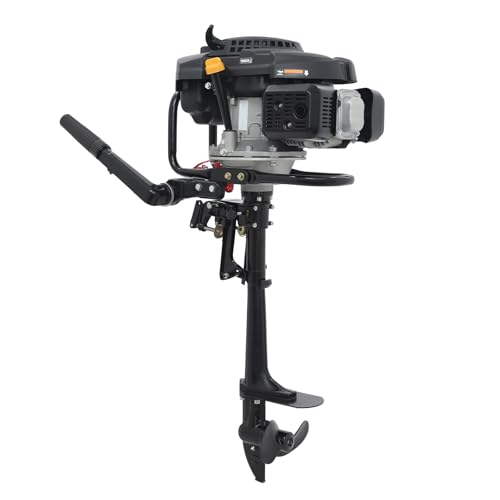
Powerful 9.0 horsepower with a 224cc displacement delivers robust acceleration for small boats, inflatable craft, and lightweight kayaks. The aluminum build aids durability and corrosion resistance for long-term use. A key advantage is a maximum speed near 11.81 mph with fuel efficiency in mind, supporting smooth navigation without heavy fuel consumption.
Best for: boaters needing reliable mid-range thrust for compact vessels. Limitations: is optimized for smaller watercraft; heavier loads may reduce top speed.
APOUDM 4 Stroke 9 HP Outboard Motor

This 9 HP four-stroke engine emphasizes a balance of simple operation and steady power delivery. Its design includes air cooling and a straightforward throttle control with a clutch-style transmission, enabling easier handling on docking and cruising. The stated performance supports 15 km/h cruising in calm conditions, which is well-suited for anglers and small tenders.
Best for: anglers and boaters who want predictable, uncomplicated operation. Limitations: data notes focus on performance and control rather than advanced electronic features.
BJTDLLX 6.5 HP 4 Stroke Outboard

A compact 6.5 HP four-stroke option that emphasizes durability and ease of use. With a short shaft and a built-in fuel system, it can power smaller inflatables and light yachts. Features include three forward-neutral-reverse gears and reliable water cooling, which supports steady operation in varied conditions.
Best for: boaters who need a portable, easy-to-mount engine with reliable cooling. Limitations: lower horsepower compared to 9 HP models, so expect slower acceleration on heavier boats.
KTYHNPM 7.5 HP 4 Stroke Outboard
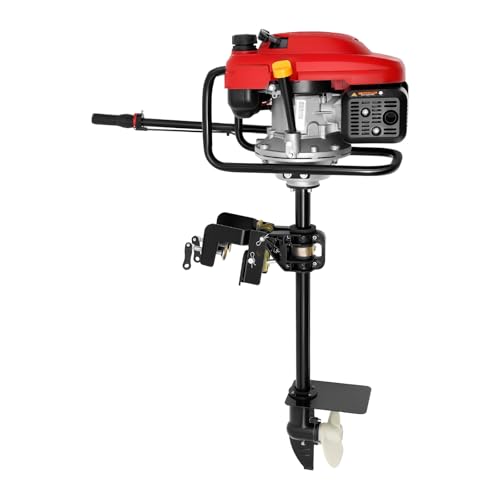
This 7.5 HP four-stroke engine provides a balanced option for small boats requiring a bit more thrust than a 6.5 HP model. It uses air cooling and a single-cylinder design to deliver stable performance with straightforward maintenance. The gear system supports forward, neutral, and reverse for versatile maneuvering.
Best for: budget-conscious buyers who want a reliable 4-stroke with decent power. Limitation: horsepower is below the 9 HP target, which may influence top speed on larger tenders.
Buying Guide: Key Considerations For 4-Stroke 9-HP Class Outboards
- Boat size and weight: Match engine power to vessel weight and desired speed. Heavier boats require more thrust to achieve the same pace as lighter ones.
- Fuel system and consumption: Four-stroke engines generally offer better fuel efficiency and smoother operation than two-strokes, but check tank capacity and cruising range.
- Mounting and shaft length: Short, mid, or long shaft configurations affect fit on different transoms. Confirm shaft length and mounting compatibility with your boat.
- Cooling method: Air cooling is common in smaller engines and reduces weight, while water cooling can provide more consistent temperature control under heavier loads.
- Starting method and controls: Manual pull start and CDI ignition are common. Consider clutch-type transmissions if you prefer smoother, gearless control.
- Maintenance accessibility: Look for engines with easy access to spark plugs, fuel filters, and gear oil to simplify routine service.
- Noise and vibration: Some models emphasize quieter operation through design features; this can impact long days on the water.
Frequently Asked Questions
- What is the difference between 4-stroke and 2-stroke outboards? Four-stroke engines typically run cleaner, smoother, and with better fuel efficiency, while two-stroke engines can deliver more power for the same displacement but at higher fuel consumption.
- Is a 9 HP outboard sufficient for a small inflatable? In many cases, yes, for calm conditions and light loads; performance depends on boat weight, hull design, and number of passengers.
- Do these engines require special maintenance? Regular tasks include checking coolant (if applicable), changing gear oil, inspecting the spark plug, and cleaning fuel lines.
- Can I use a 9 HP engine on a kayak or canoe? Some 9 HP models are designed for inflatable boats and small tenders; check the vessel’s weight capacity and transom compatibility.
- What safety features should I expect? Features often include a shut-off switch and tilt adjustments to maintain stability and safe operation on varying water conditions.
- Are these engines easy to install? Most are designed for straightforward mounting on light boats or inflatables, with simple controls and accessible maintenance points.