When you need long-lasting power for demanding equipment, 8D-style battery capacity matters more than size alone. This guide highlights five strong choices with high amp-hour ratings and practical features. It’s ideal for boaters, off-grid setups, and backup power users who want reliable energy during extended use. Each pick is evaluated for who it’s best for, plus practical trade-offs to help you decide. The quick-reference table below summarizes the standout characteristics of the top options.
| Product | Type / Amp Hours | Best For | Notes |
|---|---|---|---|
| Rolls AGM Battery S12-290 | CSA: 1525 CCA, MC4 1830 MCA, RC 578 min | Marine and heavy-start applications | High RC, robust cold-weather performance |
| ML8-12 – 12V 8Ah | 8 Ah @ 12V | Lightweight, compact backup | Compact SLA AGM, maintenance-free |
| Mighty Max Battery 8V 180Ah (Pack) | 180 Ah @ 8V | Stationary or large-capacity needs | Pack of 6 for extended use |
| ACDelco 8-Count D Batteries | Alkaline, non-rechargeable | Household devices and emergency kits | Long shelf life, reclosable packaging |
| AMPS 400Ah / 5120Wh LiFePO4 | 400 Ah / 5120 Wh, 12.8V | Heavy start and high-cycle life | Long service life, high surge capability |
Rolls AGM Battery S12-290

The Rolls S12-290 is an AGM lead-acid battery designed for heavy-demand starts and long-duration runs. Notable specs include 1525 CCA at 0°F (-17°C), 1830 MCA at 32°F (0°C), and a reserve capacity of 578 minutes at 25A. This makes it a strong choice for marine applications or motorized equipment that requires reliable cranking power and extended runtime. Best for boaters and marine setups that demand robust cold-weather performance and a solid RC rating.
Who it’s best for: users requiring strong cold-crank capability and lengthy reserve power, such as offshore vessels or high-load starting engines. Why selected: high CCA/MCA and RC make this battery reliable in challenging conditions. Caution: heavier weight and installation space may be a consideration for compact setups.
ML8-12 12V 8Ah SLA AGM Battery

The Mighty Max ML8-12 is a compact sealed lead acid (SLA) rechargeable battery with 12V and 8Ah capacity. It uses AGM technology for maintenance-free operation and spill resistance. It’s UL Certified and designed for devices with moderate power needs, including small inverters, emergency lighting, and portable systems. Best for lightweight backup power or smaller RV/autonomous setups where space and weight are critical.
Who it’s best for: users needing a compact, maintenance-free power source for modest demand devices. Why selected: reliable SLA/AGM performance in a compact form. Caution: 8Ah is modest compared to larger 8D-scale packs; plan for gradual power draw and charging efficiency.
Mighty Max Battery 8V 180Ah Pack
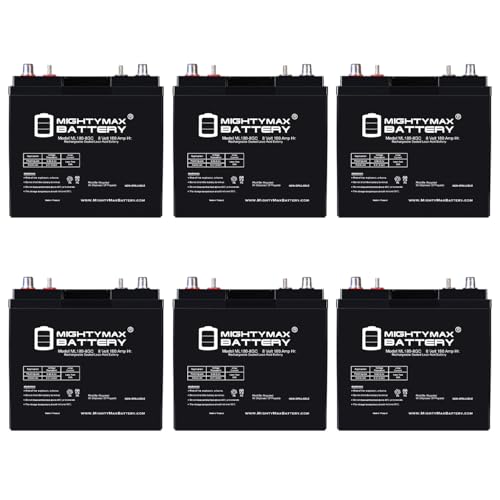
The Mighty Max 8V 180Ah dual-terminal SLA battery comes as a set designed for higher energy needs. It is a rechargeable maintenance-free option with a large 180Ah capacity, suitable for stationary power banks or backup systems. It is sold as a six-pack with no wiring harness or mounting accessories included. Best for multi-battery configurations that require ample total energy storage and straightforward replacement.
Who it’s best for: users building a larger energy bank or replacement packs for compatible 8V systems. Why selected: high capacity per unit in a multi-pack format; caution: distribution hardware like harnesses and mounting hardware are not included.
ACDelco 8-Count D Batteries

The ACDelco D Batteries represent a bulk 8-pack of non-rechargeable alkaline cells, optimized for long shelf life and ready availability. Each battery supplies 1.5 volts for common household and office devices, and the packaging is designed for easy storage and access in emergency kits. Best for households and camps where long-term, ready-to-use power is essential. Caution: these are not rechargeable and require replacement after depletion.
AMPS 400Ah LiFePO4 5120Wh Battery

The AMPS LiFePO4 400Ah battery delivers 5120Wh of energy with a 12.8V nominal system. It includes a built-in 300A BMS for overcharge and over-discharge protection, aiming for a safe, high-performance power source with a long service life. The battery’s flat discharge curve supports efficient energy use, and a 650A surge capability enables high-current starts. Best for heavy-start or demanding hobbyist and off-grid setups. Caution: LiFePO4 requires proper charging hardware compatible with BMS protections.
Buying Guide
Key considerations when selecting an 8D-style battery with high amp hours:
- Energy needs: Match capacity (Ah) to your load profile and desired runtime. Higher Ah means longer operation between charges.
- Chemistry: AGM and LiFePO4 offer different benefits. AGM is robust and maintenance-free, while LiFePO4 provides longer life and higher surge support with a lighter weight.
- Discharge and charging: Look at CCA/MCA for starting power, RC for reserve runtime, and BMS features for LiFePO4 to prevent damage from overcharging or deep discharge.
- Physical footprint: Ensure the battery fits your enclosure or mounting space. Heavier 8D-class packs may require secure mounting.
- Lifecycle and warranty: Consider expected service life and whether the warranty covers cycling, charging, and safety protections.
- Use-case alignment: Marine, RV, off-grid, or backup power each benefit from different balance of capacity, weight, and resilience.
Frequently Asked Questions
- What does Ah mean in a battery rating?
Ah, or amp-hours, indicates how much energy a battery stores and can deliver over time. Higher Ah means longer runtime for the same discharge rate.
- Why choose LiFePO4 over lead-acid for 8D-style setups?
LiFePO4 generally offers longer life, lighter weight, better high-drain performance, and built-in protection through a BMS, reducing maintenance and replacement frequency.
- What is a BMS and why is it important?
A Battery Management System (BMS) protects LiFePO4 cells from overcharge, over-discharge, and short circuits, extending life and safety.
- Can I mix different battery chemistries in one system?
Mixing chemistries is generally not recommended due to differing charging requirements and cycle lifetimes; use matched packs where possible.
- What should I consider for marine vs. stationary use?
Marine applications need high cranking power and resistance to temperature fluctuations; stationary or backup systems prioritize energy capacity and cycle life.
- Do alkaline D batteries expire?
Yes, alkaline D batteries have limited shelf life and aren’t rechargeable, so they’re best for short-term or disposable uses.