Answering the questions boat owners ask about protecting aluminum hulls: choose a durable barrier coat or a specialized bottom paint that resists corrosion, abrasion, and fouling. The top picks below are best for aluminum boats, pontoons, and related watercraft. Use these options to extend hull life, reduce maintenance, and keep underwater metals protected. The list highlights products that suppliers and users commonly rely on for sealing, sealing and protecting aluminum surfaces.
TotalBoat Aluminum Boat Barrier Coat (Quart, Gray)

Best for: aluminum hulls and pontoon boats needing corrosion protection and a solid primer. This is a high-build, two-component epoxy primer and barrier coat designed to prevent underwater metal corrosion. It can be overcoated with bottom paints or other 1- and 2-part paints, making it versatile for multiple maintenance cycles. Fast drying with no sanding required between coats, helping to minimize downtime.
Why chosen: its dual role as a barrier coat and primer reduces the number of products needed for aluminum applications. This makes it a practical pick for owners who want simple upkeep and reliable protection against salt and fresh water exposure. Cautions: ensure proper surface prep to maximize adhesion; follow mixing and curing guidelines for best results.
TotalBoat TotalProtect Epoxy Barrier Coat System (Gray, Quart)
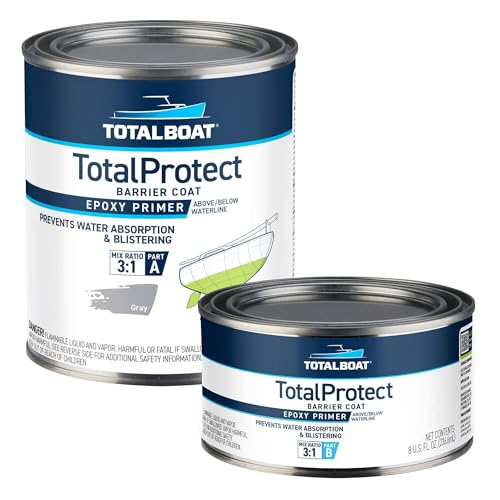
Best for: fiberglass or aluminum boats needing gelcoat blister prevention and robust underwater metal protection. This two-part epoxy barrier coat offers a high-build layer that forms a strong barrier against water intrusion and corrosion. It is suitable for above and below the waterline and emphasizes protection for various hull materials.
Why chosen: its barrier coat properties help prevent blistering and marine degradation on aluminum surfaces. Choose this if you want a reliable epoxy-based seal that works well with subsequent bottom paints and coatings. Caution: ensure proper ventilation during mixing and application; follow cure times precisely to avoid issues with overcoating.
Travaco RM330K Marine-Tex Gluvit Waterproof Epoxy Sealer – 2 lbs.
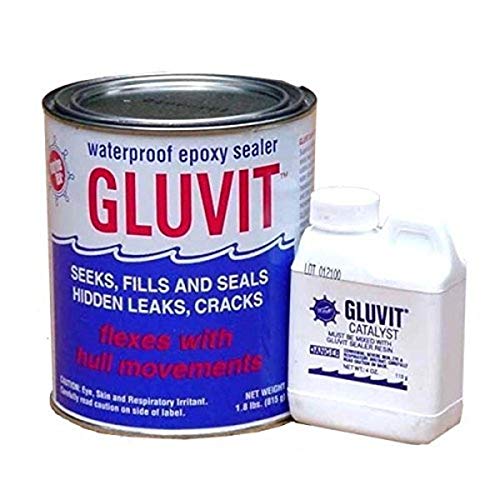
Best for: fastening leaks and sealing hull seams on aluminum, fiberglass, and wooden components. Gluvit provides barrier sealing for leaks in rivets, seams, and small penetrations, making it a practical choice for older boats with minor hull vulnerabilities.
Why chosen: it is a trusted option for sealing around leaks, which is often a first step before applying a more comprehensive barrier coat. Caution: Gluvit is a sealer and not a stand-alone long-term bottom coating; use as part of a broader protection plan. Better for targeted repairs than full hull protection.
TotalBoat Aluminum Boat Leak Sealer

Best for: quick, easy-to-apply sealing of leaks in rivets and seams on aluminum boats. It is a two-part, flexible, waterproof epoxy sealer designed to repair small leaks and patches, with a longer working time to improve penetration and sealing.
Why chosen: its long working time helps ensure a thorough seal, especially useful for areas around rivets and joints. Caution: not a substitute for a full barrier coat in high-wear underwater environments; pair with a dedicated barrier coat for best long-term protection.
TotalBoat Aluminum Boat Paint | Durable, Fast-Drying Marine Paint (Light Gray, Quart)
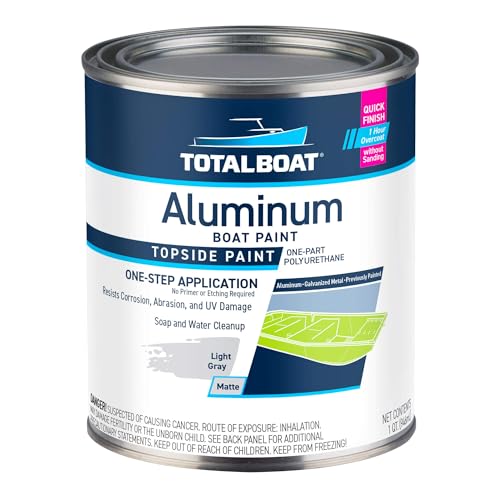
Best for: aluminum canoes, dinghies, pontoon boats, and trailers that require a durable, low-sheen finish with good adhesion on aluminum and galvanized metals. This one-part polyurethane paint dries quickly and supports camo or finish customization.
Why chosen: it provides a single-coat solution with fast overcoating times, facilitating faster protection for aluminum hulls. Caution: no priming required, but surface prep with an etch wash is recommended for maximum adhesion. Choose this if you want a ready-to-apply finish with simplified steps.
Buying Guide
What to consider when protecting aluminum boats
- Material compatibility: Aluminum hulls respond well to epoxy barrier coats, polyurethane paints, and specialized sealers. Choose a product that explicitly lists aluminum as compatible.
- Protection scope: Decide between a barrier coat that acts as a primer and a bottom paint that also offers antifouling properties. For offshore or saltwater use, combine barrier coats with antifouling paints.
- Application conditions: Consider cure times, temperature ranges, and whether sanding is required between coats. Some products dry quickly with minimal prep, while others need careful surface preparation.
- Long-term durability: Epoxy barrier coats usually offer strong corrosion resistance but may require reapplication after several seasons. For heavy-use boats, plan for periodic maintenance.
- Surface prep: Acid etch washes or alkaline cleaners can improve adhesion on aluminum. Follow manufacturer guidance for prep steps and safety.
- Environmental and safety considerations: Work in a well-ventilated area and follow disposal guidelines for epoxy and paint products. Wear protective gear as recommended.
Application flow: typical steps
- Clean and degrease the hull thoroughly.
- Roughen the surface as required by the product guidelines.
- Mix two-part epoxy components per instructions; apply in thin, even coats.
- Allow curing as directed before applying any subsequent coats or top paints.
- Inspect for pinholes or thin areas and touch up promptly.
Choosing across the five products
- Best all-around barrier protection: TotalBoat Aluminum Boat Barrier Coat (Quart) for aluminum hulls requiring corrosion prevention and compatibility with subsequent paints.
- Best extended barrier coat system: TotalBoat TotalProtect Epoxy Barrier Coat System for dual protection and blister prevention on aluminum surfaces.
- Best targeted sealant for leaks: Travaco RM330K Gluvit for sealing seams and rivets before applying barrier coats.
- Better for quick repairs: TotalBoat Aluminum Boat Leak Sealer provides a flexible, two-part solution for leaks and small patches.
- Best ready-to-apply finish: TotalBoat Aluminum Boat Paint for a durable, fast-drying bottom paint with minimal priming.
Quick reference table of selected products
| Product | Best For | Note |
|---|---|---|
| TotalBoat Aluminum Boat Barrier Coat (Quart, Gray) | Aluminum hulls and pontoons needing corrosion protection | Overcoatable with paints; no sanding between coats |
| TotalBoat TotalProtect Epoxy Barrier Coat System (Gray, Quart) | Blister prevention and protection above/below waterline | Two-part epoxy; broad hull compatibility |
| Leaky seams and rivets sealing | Sealer, not long-term hull coating | |
| TotalBoat Aluminum Boat Leak Sealer | Leaks in rivets and seams | Two-part, flexible epoxy |
| TotalBoat Aluminum Boat Paint (Light Gray, Quart) | Simple, durable bottom paint | No priming required with proper prep |
Frequently asked questions
- What is the difference between a barrier coat and bottom paint for aluminum boats?
A barrier coat provides corrosion protection and a stable base for other coatings. Bottom paint adds antifouling protection to deter organisms from attaching to the hull. - Can I apply bottom paint directly over aluminum without a barrier coat?
It depends on the product. Some bottom paints require a compatible primer or barrier coat for adhesion on aluminum. - Is Gluvit suitable for aluminum hulls?
Gluvit is a sealer for leaks and joints. It can be part of a preparation process, but not a full hull coating by itself. - How important is surface preparation before applying barrier coat?
Very important. Proper cleaning, degreasing, and roughening ensure optimal adhesion and long-term performance. - How long does epoxy barrier coat typically take to cure before painting?
Cure times vary by product and temperature. Follow the specific product’s directions for re-coating windows and drying times. - Should I choose a single product or a combination approach?
For best protection, pair a barrier coat with an appropriate bottom paint or sealant, especially on aluminum hulls exposed to harsh marine environments.