When choosing an aluminum transom reinforcement, you want a plate that distributes engine load, resists corrosion, and fits your outboard model. This guide highlights five well-suited options for a variety of boats and engines, from inflatable craft to glass-reinforced hulls. The top picks are ideal for skippers seeking durability, easy installation, and long-term performance in saltwater or freshwater environments. Each option is described with who it’s best for and why it’s selected, plus a concise buying table.
| Product | Recommended For | Why It Stands Out |
|---|---|---|
| Bememo 1 Pcs Outboard Transom Reinforcement Plate | Single-engine inflatable boats, small-rigged craft | 1-piece, 0.2″ thick aluminum offers solid load distribution and corrosion resistance |
| Bememo 2 Pcs Outboard Transom Reinforcement Plate (Set) | Boats with twin engines or higher torque needs | Two plates provide broader support and extra durability in tough conditions |
| Outboard Transom Reinforcement Backing Plate (Generic) | Most outboards on fiberglass or wood cores | Full-pattern aluminum reinforcement with solid corrosion resistance |
| Qqmora Transom Support Plate Kit | Many older and newer outboards without twist clamps | Heavily built, broad compatibility, good load-spread design |
| T-H Marine Heavy-Duty Transom Support Plate | High-performance boats and high-torque engines | 3/8″ 6061 aluminum with customizable mounting configurations |
Bememo 1 Pcs Outboard Transom Reinforcement Plate

The Bememo 1 Pcs plate is a single, 0.2-inch thick aluminum backer designed to spread engine torque across the transom. It helps protect fiberglass or wood cores under load and resist corrosion in saltwater or freshwater. Best for small to medium craft with one outboard engine. A potential limitation is that a single plate may be less suited for high-torque installations or very heavy engines compared with dual-plate sets.
Bememo 2 Pcs Outboard Transom Reinforcement Plate

This kit provides two 0.2″ thick aluminum plates for increased durability and load distribution on transoms under higher engine weight or torque. Suitable for boats with twin engines or engines that require extra reinforcement. The main caveat is the need for precise alignment when installing two plates to avoid interference with mounting hardware.
Outboard Transom Reinforcement Backing Plate (Generic)

This generic 0.2″ aluminum backing plate offers robust, universal reinforcement for most outboards across fiberglass or wood-core transoms. Best for boaters wanting straightforward reinforcement with broad compatibility. A limitation is that non-specific OE patterns can require careful measurement and alignment during installation.
Qqmora Boat Engine Transom Support Plate

Designed to spread load across the transom with predrilled holes, this 3/8-inch aluminum plate supports several bolt patterns and fits a broad range of engines. It’s marketed for universal compatibility, including older and newer models that don’t use twist clamps. Choose this if you need flexible mounting options; avoid if your motor model requires a specific non-standard pattern not listed here.
T-H Marine Heavy-Duty Transom Support Plate
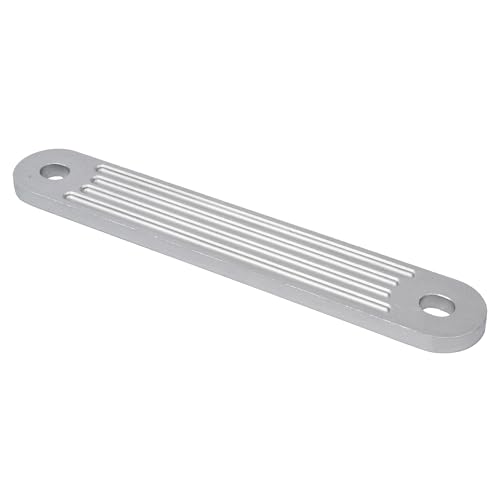
Crafted from 3/8″ 6061 aluminum, this plate emphasizes high performance and durability under heavy engine loads. It offers multiple mounting configurations to fit different boat models, helping distribute loads and reinforce the transom against high-torque conditions. Better for high-performance vessels; may require precise fitment to your boat’s transom layout.
Buying Guide: Key Considerations For Transom Plate Purchases
What material thickness and composition do you need? Most durable options use 0.2″ (5 mm) thick aluminum to balance strength and weight. Heavier, thicker plates perform better under high torque but add weight and may require hardware reassessment.
Which mounting pattern will fit your engine? Universal compatibility helps, but always verify bolt patterns and hole spacing against your motor model. Some kits include multiple holes or adjustable profiles to fit a wider range of engines.
Where will you boat? Saltwater environments demand corrosion resistance; aluminum plates with robust protective coatings or anodized finishes perform better over time in harsh conditions.
Single plate or multi-plate setups? One plate works for light-to-moderate engines; two plates can handle higher torque or multi-engine setups but require precise alignment and adequate transom clearance.
What is the transom type? Fiberglass, wood-cored, or solid wood transoms respond differently to load distribution. Ensure the plate design provides even load transfer without puncturing or concentrating stress at a bolt.
Installation Considerations
- Prepare the transom surface by cleaning and ensuring flat contact.
- Use stainless steel hardware compatible with your boat’s year and coating.
- Follow the manufacturer’s torque specs for mounting bolts.
- Check clearances with the outboard engine and propeller arc after installation.
Maintenance And Longevity
- Rinse off salt and grime after each trip, especially in saline environments.
- Inspect for corrosion, cracks, or loosening bolts periodically.
- Re-tighten or replace hardware if you notice movement or wear over time.
FAQ
- What thickness is typical for transom reinforcement plates? Most common options are 0.2 inches (5 mm) thick aluminum.
- Do I need a set of two plates or a single plate? A single plate may suffice for lighter engines, while two plates offer greater torque handling for higher-performance setups.
- Will these plates fit all outboard motor models? Many are marketed as universal, but you should verify bolt patterns and compatibility with your engine model.
- Can these plates be used on fiberglass and wood-cored transoms? Yes, they are designed to protect transoms of various core materials from puncture or localized stress.
- How should I maintain aluminum transom plates? Rinse after exposure to saltwater, inspect for corrosion, and tighten hardware as needed to maintain structural integrity.
- Are there any installation pitfalls to avoid? Ensure flat mounting surfaces, avoid overtightening bolts, and confirm engine clearance with the propeller and skeg.