Need an aluminum boat with a reliable motor? This guide highlights five solid options, showing who they’re best for and why. Whether you’re a weekend angler, a small craft cruiser, or a saltwater explorer, these selections cover different power levels, shaft lengths, and mounting styles. The following table summarizes the key choices to help you compare at a glance.
| Product | Motor Type | Best For | Power |
|---|---|---|---|
| NAZEAOB 18HP Outboard | 2 Stroke Outboard | Forceful propulsion for larger aluminum boats | 18 HP |
| 4 Stroke 7.5HP Outboard | 4 Stroke Outboard | Balanced performance for small to mid boats | 7.5 HP |
| Minn Kota Endura C2 40 Lb | Electric Transom Mount | Quiet trolling for freshwater fishing | 40 Lb thrust |
| Newport NV-Series 62 Lb | Electric Transom Mount | Heavy loads on larger boats | 62 Lb thrust |
| HinLIaDa 2.3HP Outboard | 2-Stroke Outboard | Inflatable boats and small crafts | 2.3 HP |
NAZEAOB 18HP Outboard Motor

This aluminum-heavy, two-stroke motor delivers robust power for larger aluminum boats. It operates at 4,500–5,500 RPM, providing strong propulsion for fast travel and time savings on the water. The engine’s aluminium alloy construction adds corrosion resistance and durability, ideal for frequent use in varied environments.
Best for: Boat owners who need serious push on mid- to large-sized aluminum craft and are willing to manage two-stroke maintenance. The high load capacity makes it suitable for gear-heavy trips, though heavier loads can reduce speed.
Caution: Two-stroke engines typically require more maintenance and fuel mix management. Expect higher fuel consumption compared with modern four-stroke options.
4 Stroke 7.5HP Outboard Motor
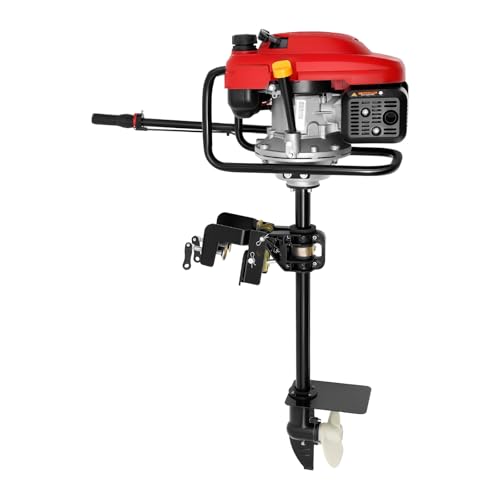
This 4-stroke model balances power and efficiency with a 3600 RPM operating range and up to 3.5 kW output. It features a stable, smooth drive thanks to a continuously variable transmission design and an air-cooling system that dissipates heat effectively, reducing the risk of overheating during extended use.
Best for: Small-to-mid sized aluminum boats where easy operation, steady thrust, and lower maintenance than two-stroke engines are priorities. Good heat dissipation supports longer trips without frequent cool-down breaks.
Caution: The unit’s power output, while adequate for many boats, may feel underwhelming on heavier loads or strong headwinds. Plan payload and speed expectations accordingly.
Minn Kota Endura C2 40 Lb Trolling Motor
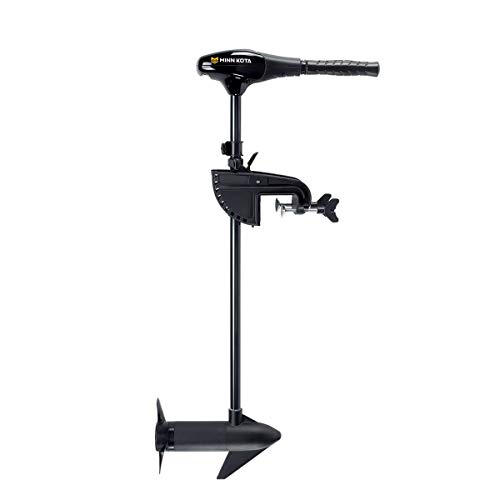
This transom-mount electric trolling motor provides quiet, precise control. Features include a 6-inch telescoping tiller for comfortable handheld operation, a 10-position lever lock for quick angle adjustments, and a prop designed to manage heavy vegetation. Durable construction resists UV exposure and marine wear, making it a long-lasting choice for freshwater boats.
Best for: Anglers who prioritize stealthy propulsion, fine control, and easy steering on smaller aluminum craft. Not ideal for long hauls with heavy gear since thrust is limited to trolling speeds.
Caution: For larger boats or deep water crossings, a higher-thrust option may be needed to maintain speed against wind or current.
Minn Kota Endura C2 30 Lb Trolling Motor
The 30 Lb variant offers similar benefits with a shorter shaft, suitable for smaller boats or kayaks. It retains the same user-friendly features, including smooth gear alignment, a dependable motor head with battery indicator, and reliable corrosion resistance. It’s a practical pick when portability and control trump raw thrust.
Best for: Small aluminum craft, kayaks, or canoes where lighter equipment and compact mounting matter most. Choose this if you prioritize ease of transport and quiet operation.
Caution: Lower thrust means slower response in strong currents or wind; consider thicker water conditions or larger craft before selecting.
Newport NV-Series 62lb Thrust Trolling Motor

This high-thrust electric trolling motor is built for bigger boats and heavier loads. It’s designed to perform reliably in wind and current, with a corrosion-resistant build suitable for salt or freshwater use. The 36-inch shaft provides ample reach for larger transoms, improving handling and control on bigger aluminum craft.
Best for: Larger aluminum boats where full-bodied propulsion and robust handling are required. Ideal for anglers or boaters who spend long days on the water in challenging conditions.
Caution: Higher power consumption means shorter battery life per charge; plan for extra batteries or charging options on longer trips.
Newport NV-Series 36lb Thrust Trolling Motor
The 36 Lb version balances weight and power for smaller vessels. It features a quiet, efficient two-blade propeller design and a saltwater-capable housing with corrosion resistance. It’s a practical option for small aluminum boats that require steady, manageable propulsion without excessive weight.
Best for: Small to mid-sized aluminum boats and kayaks that need reliable, low-profile propulsion with reasonable battery life. Avoid this if you regularly require high-speed water travel in strong currents.
Caution: Lower thrust means you’ll need calmer water or a lighter load to achieve peak performance.
HinLIaDa 2-Stroke 2.3HP Outboard
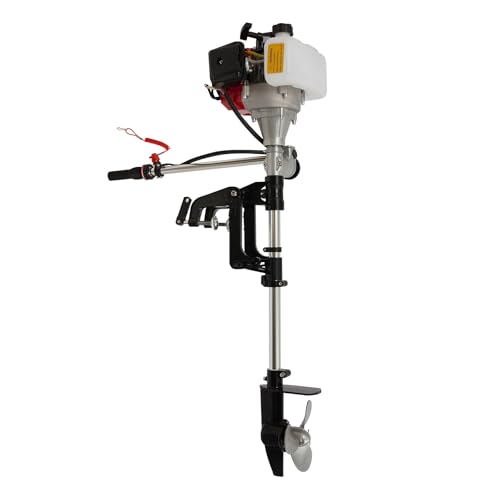
This lightweight aluminum engine delivers 2.3 HP at 4,500–8,500 RPM, offering strong power for inflatable or small aluminum boats. The unit’s design emphasizes steering ease, with a wide steering angle for simple maneuvering. It’s easy to mount on compact transoms and suitable for casual excursions.
Best for: Inflatable boats or compact aluminum craft where portability and ease of steering are priority. Opt for higher thrust if your boat carries substantial gear or sails into headwinds.
Caution: Low horsepower means slower speeds on larger loads; not ideal for high-speed travel or heavy gear.
Buying Guide
What should you consider when choosing an aluminum boat with a motor?
- Boat size and weight: Heavier, larger boats often need more power or higher-thrust trolling options. Assess maximum payload and desired speed.
- Power type: Gas outboards provide raw power; electric trolling motors offer quiet operation and precision for fishing. For large aluminum boats, a combo of motor types can be ideal.
- ShafT length and mounting: Long shafts help with deeper transoms and rough water; consider your boat’s transom height and prop clearance.
- Fuel vs. battery considerations: Gas engines require fuel management and maintenance; electric motors rely on battery life and charging availability. Plan trips accordingly.
- Durability and environment: Look for corrosion-resistant aluminum components and marine-grade finishes for both fresh and saltwater use.
- Maintenance needs: Two-stroke engines need oil mixing and more frequent service; four-stroke engines tend to be cleaner and easier to maintain.
- Intended use: Fishing, casual cruising, or frequent long trips may push you toward different power configurations and propeller choices.
Frequently Asked Questions
- What is the best motor for a small aluminum jon boat?
For small boats, a light to mid-thrust trolling motor (like 30–40 Lb) provides quiet operation and adequate control for slow navigation and fishing.
- Should I choose a gas outboard or an electric trolling motor for an aluminum boat?
Gas outboards deliver more power for higher speeds and heavier loads, while electric trolling motors offer quiet operation and precise maneuvering for fishing and calm-water cruising.
- Do long shaft motors matter on aluminum boats?
Yes. A long shaft helps prevent propeller strike in shallow waters and ensures proper clearance in rough water or deeper hulls.
- How important is corrosion resistance for aluminum boats?
Very important. Aluminum components exposed to water should resist rust and corrosion to extend service life in diverse water conditions.
- Can I mix gas engines with electric trolling motors on the same boat?
Yes, many boats use a gas main engine for movement and an electric trolling motor for precise, quiet maneuvers during fishing or docking.