Finding the right anchor depends on your boat size, typical bottom conditions, and whether you need quick hit-and-retreat retrieval. This guide highlights five practical anchors that cover small to mid-size boats and common bottoms like sand, mud, weed, and rocky patches. It’s ideal for skippers of boats from 8 to 22 feet who want dependable holding power without overbuying. The selection favors versatility, ease of use, and durable construction. The quick-reference table below helps compare core details at a glance.
| Product | Best For | Bottom Type | Notes |
|---|---|---|---|
| Seachoice Utility Anchor w/ Slip Ring | Small to mid-size boats | Sand, mud, weed | Slip ring shank aids retrieval |
| Seachoice River Anchor (20 Lbs) | General river and coastal use | Varied bottoms | One-piece cast iron, black vinyl coating |
| JY PERFORMANCE 5 Lb Anchor Kit | Pontoon, dinghy, 8–16 ft | Sand, mud | All-in-one kit with chain and rope |
| JY PERFORMANCE 8 Lb Anchor Kit | 12–22 ft boats | Sand, mud | Comprehensive kit, reliable grip |
| SeaSense River Boat Anchor (12 Lbs) | Pontoons, bass boats | Sand, mud, weed | Cast iron with black vinyl coating |
Seachoice Utility Anchor With Slip Ring
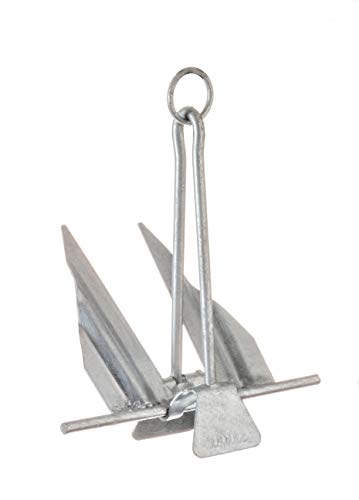
The Seachoice Utility Anchor with Slip Ring is designed for boats around 15–19 feet. Its slip ring shank simplifies freeing a stuck anchor, reducing retrieval effort. The anchor is known for penetrating into various seabed compositions, making it a versatile option for mixed ponds, bays, and coastal waters. It is best for skippers seeking easier recovery in rocky or debris-laden bottoms, where getting snagged is common. A potential limitation is that its galvanization focuses on rust protection rather than ultra-light handling in calm water.
Who it’s best for: Small to mid-sized boats that value easier anchor retrieval and multi-bottom performance. Choose this if you frequently swim or dock in areas with debris or tight spaces.
Limitations: Heavier handling in very soft mud or dense vegetation; ensure proper line length to prevent snags.
Seachoice River Anchor, 20 Lbs

This 20-pound Seachoice River Anchor is built for strong holding power across multiple bottom types. Its cast iron body and large eyelet make it straightforward to rig with rope or chain. The one-piece design minimizes snag risk and simplifies handling. It’s a solid pick for river and lake use where currents or wind shifts demand a dependable hold. The heavier weight improves bite in soft bottoms but may be heavier to carry and deploy single-handedly.
Who it’s best for: Anglers and boaters needing robust holding in varied inland waters, particularly where current is a factor. Best for boats around 20 feet or less that can handle the weight.
Limitations: Heavier than lighter kits; may require a larger storage basin and more line length for optimal deployment.
JY PERFORMANCE 5 Lb Boat Anchor Kit

This compact kit includes a 5 lb galvanized fluke anchor, 6.5 ft steel chain, two D-ring shackles, and 100 ft of nylon rope. It targets boats in the 8–16 ft range, making it ideal for pontoons, dinghies, and small fishing craft. Its fluke design provides solid holding in sand or mud, and the weighted chain improves grip in windy conditions. A note: the 5 lb size may be less effective in extra deep or high-current scenarios.
Who it’s best for: Very small to mid-sized craft needing a complete, ready-to-use kit without extra purchases. Best for lake days or calm coastal waters.
Limitations: Not ideal for larger boats or extremely strong currents; select a heavier kit if you expect rougher conditions.
JY PERFORMANCE 8 Lb Anchor Kit
The 8-pound JY PERFORMANCE anchor kit is designed for boats in the 12–22 ft range. It includes a galvanized fluke anchor, 6.5 ft steel chain, two D-ring shackles, and 100 ft of nylon rope. The fluke design digs effectively into sand or mud, and the attached chain adds weight to improve staying power in windy conditions. This kit is a practical upgrade for boats that routinely anchor in open water or nearshore zones with variable bottoms.
Who it’s best for: Medium-sized vessels that require a robust, all-in-one kit to handle common coastal and lake environments. Best when you anticipate mixed conditions.
Limitations: Heavier than smaller kits; consider a lighter option for very light craft to optimize handling.
Attwood 9934B1 Cast Iron 15-Pound Large Eye Anchor
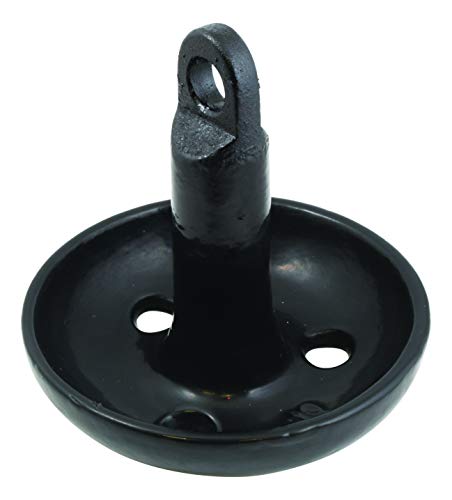
The Attwood 9934B1 15-pound large-eye anchor is a solid cast iron option with a black PVC coating to resist rust and scratches. The large eye design allows easy attachment to anchor lines or ropes. This anchor is well-suited for small-to-midsize boats anchoring in mud, sand, or weed bottoms where straightforward line management matters. Its durability makes it a long-term choice in harsher water conditions.
Who it’s best for: Boat owners seeking a durable, simple-to-use large-eye anchor for everyday inland and nearshore use. Great for boats that need a straightforward setup.
Limitations: Heavy to lift single-handedly; ensure you have adequate storage and a reliable line connection.
SeaSense River Boat Anchor (12 Lbs)

The SeaSense River Anchor blends mushroom and fluke features for deeper penetration across bottom types. The 12-pound design is ideal for pontoons, bass boats, and other small watercraft operating in rivers and inland waterways. The black vinyl coating protects the gel coat while improving handling in weedier bottoms. It performs reliably in strong currents and tidal areas, with a one-piece cast iron construction for durability.
Who it’s best for: Inland water enthusiasts who need a versatile, durable anchor for rivers, lakes, and protected coastal zones. Best when you want a balance of bottom penetration and ease of use.
Buying Guide: Key Purchase Considerations
What boat size and weight should guide your anchor choice? For boats under 16 feet, lighter anchors and complete kits are often the best value. For 16–22 feet, heavier anchors and robust kits provide better hold in currents and windy conditions.
Which bottom types matter most? Sand and mud require sharp flukes for bite, while weed bottoms benefit from robust, penetrating designs. In rocky or debris-laden bottoms, a lower snag risk and easier retrieval are important features.
Is an all-in-one kit worth it? Yes for beginners or casual boaters who want everything in one package. For more experienced skippers, buying anchor, chain, and rope separately allows customization for specific conditions.
What retrieval features help? Slip rings and larger eyelets simplify getting a stuck anchor free, especially in tidal waters or currents. Consider rust-resistant coatings to minimize maintenance in saltwater environments.
How should you store and deploy anchors? Clean and dry after use; use proper line length to minimize drag and snag risk. Secure anchors to the bow or a dedicated storage locker to prevent shifting in rough seas.
Frequently Asked Questions
- What size anchor do I need for an 8–16 ft boat?
Commonly a 5 lb to 8 lb anchor kit suffices for calm to moderate conditions on boats in this range.
- Are coated anchors better than plain iron?
Vinyl-coated or PVC-coated anchors protect the boat’s finish and reduce corrosion in saltwater environments.
- Should I choose a mushroom or fluke design?
Mushroom-style anchors hold well in mud and silt, while fluke designs dig deeper in sand or weed bottoms. The best choice matches typical bottom conditions.
- Is a longer chain beneficial?
A longer chain adds weight and helps absorb shock from waves, aiding stability in windy conditions, especially on larger boats.
- How do I retrieve a stuck anchor safely?
Use the slip ring or large-eyed designs when possible, leverage a second line, and avoid forcing by using proper winch or haul technique.