Answering the question most boaters ask: which auxiliary motor steering kit delivers reliable, easy-to-install remote control steering for trolling or kicker motors? This guide highlights five top options, fits a range of boats, and explains who each kit is best for. The featured kits cover hydraulic, zinc-plated steel, and universal steering solutions to keep your main and kicker motors in sync. Below is a quick summary table to compare core details at a glance.
| Product | ||
|---|---|---|
| Attwood Outboard Kicker Motor Steering Kit 11663-7 | Smaller auxiliary kicker setups | Durable 24″ zinc-plated rod; customizable length |
| Marinetech Panther ATV Panther 552401 | Remote steering for trolling motors up to 25 HP | Easy install; zinc-plated steel construction |
| Marinetech Panther 552400 Panther | ||
| VEROV Hydraulic Steering Kit | Higher horsepower needs and robust control | Built-in two-way lock; durable nylon hose |
| Bulluna Universal Steering System 7″ Aux Offset | Integrated main/kicker steering for larger boats | Centralized steering with clear visibility |
The following sections break down each product with practical notes, including who should buy, key benefits, and potential limits. All choices prioritize clear, objective information to help you decide quickly.
Attwood Outboard Kicker Motor Steering Kit 11663-7

The Attwood kit connects a kicker motor to your primary steering, enabling wheel steering with a 24″ zinc-plated rod that is durable and customizable. Best for anglers with smaller auxiliary setups who want a straightforward, ready-made kit with a simple length adjustment. This kit supports easy on-boat adjustment to fit varying rig configurations. A limitation is that the rod length may require cutting to match your exact configuration; plan for a precise fit during setup.
Marinetech Panther ATV Panther 552401 Auxiliary Motor Steering Kit

The Panther 552401 is designed for remote steering of outboard trolling motors up to 25 horsepower. It emphasizes quick, easy installation and durable zinc-plated steel construction. Best for boaters who need a dependable, mid-range option that doesn’t require hydraulic components. A potential drawback is its focus on trolling motors; verify compatibility with your specific main steering wheel and console layout.
Marinetech Panther 552400 Panther Auxiliary Motor Steering Kit

This kit enables steering with your main wheel for trolling motors up to 25 HP. It provides a cohesive steering experience by linking secondary steering to your primary wheel, making it a good fit for anglers upgrading from a manual tiller to a hybrid setup. Choose this if you want a simpler addition that leverages existing wheel control. A limitation is that it’s tailored for up to 25 HP; larger trolling motors may need a higher-capacity solution.
VEROV Hydraulic Steering Kit 90HP

The VEVOR hydraulic kit features built-in two-way locking to minimize rebound torque and improve control during torsion. It uses a nylon hose that supports quick-fit plumbing, with a rugged aluminum alloy casing for corrosion resistance. Best for boats with higher horsepower needs or where hydraulic control is preferred for smoother operation. A potential limitation is the need for hydraulic routing and possibly more components to install than a cable-and-rod system.
Bulluna Universal Steering System 4″ Aux Offset
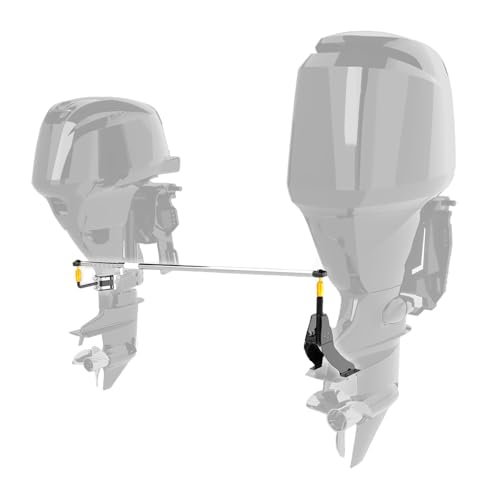
The 4″ offset option from Bulluna supports centralized steering that enables managing an auxiliary engine via the main wheel for enhanced safety and ease. It aims to maintain a clear front view during primary power runs and improves overall efficiency when used with a main/kicker combo. Best for boats needing integrated steering with good visibility. A caution is that shorter offsets may not fit all cockpit layouts; confirm offset requirements before purchase.
Buying Guide
What to consider when choosing an auxiliary motor steering kit:
- Horsepower compatibility: Confirm the kit supports your trolling or kicker motor horsepower and your main propulsion arrangement.
- Steering type: Hardware options include mechanical cable-based systems, zinc-plated rod assemblies, and hydraulic kits. Hydraulic systems offer smoother control on larger setups; mechanical options tend to be simpler and more affordable.
- Installation ease: Some kits require mounting hardware, hoses, and alignment with the main steering wheel. If you lack specialized tools, prefer kits advertised as “easy install” with clear instructions.
- Material durability: Zinc-plated steel resists corrosion in saltwater environments, while aluminum housings and stainless steel components offer higher corrosion resistance for long-term use.
- Clearances and offsets: Measure cockpit space and steering wheel reach. Offset options help fit within tight layouts but may affect steering leverage.
- Maintenance and replacement parts: Check availability of replacement rods, hoses, and connectors. A kit with readily available spare parts reduces long-term maintenance hassles.
Frequently Asked Questions
- What is an auxiliary motor steering kit used for?
It enables steering of a secondary motor (like a trolling or kicker motor) from the main steering wheel, improving control and ease of maneuvering at low speeds or in tight spaces.
- Do hydraulic kits require special installation?
Yes, hydraulic kits require routing hoses and mounting a hydraulic cylinder; ensure proper line routing and leak-free connections for safe operation.
- Which kit is best for saltwater boats?
Kits with corrosion-resistant materials (zinc plating, stainless steel, or aluminum casings) are preferable for saltwater use to extend lifespan.
- Can I use a universal steering kit with any boat?
Universal kits offer broad compatibility but should be matched to your engine horsepower, rudder or tiller setup, and cockpit dimensions for safe operation.
- What is the advantage of a two-way locking valve in hydraulic kits?
It reduces rebound torque, leading to steadier steering feel during maneuvers and less impulse when changing direction.
- How do I choose between 4″ and 7″ offset kits?
Smaller boats or tight cockpits may benefit from a 4″ offset, while larger boats with more space and higher main engine loads may prefer a 7″ offset for improved leverage.