Looking for reliable 24V trolling motor batteries that deliver steady thrust and long life? This guide highlights five top 24V LiFePO4 options, chosen for durability, cycle life, and suitability for boats, RVs, and off-grid setups. The best picks are aimed at anglers, recreational boaters, and portable power users who need compact, lightweight packs with robust BMS protection. Each product section explains who it’s best for and why it was selected, plus a practical caveat to consider before buying.
Buying quick-reference table (top picks at a glance):
| Product | Best For | Key Benefit | Notable Limitation |
|---|---|---|---|
| XZNY Compact 24V 100Ah | Compact boats, RVs, solar users | Very small for 100Ah with built-in 100A BMS | Temperature protection may affect charging in extreme cold |
| LiTime 24V 100Ah Group 31 | Deep-cycling trolling systems | Bluetooth monitoring; 6000+ cycles | Height may exceed some standard battery boxes |
| Elefast 24V 100Ah | High-load trolling motors | High inrush and 3-minute 1.2C discharge capability | Newer brand; verify fit in your box |
| Cymoye 24V 100Ah LiFePO4 | Balanced packs for bass boats and RVs | IP65 protection; 4000–15000 cycles | Some configurations rely on 4P2S for higher capacity |
| LGECOLFP 24V 100Ah | Long lifespan, compact installs | 10-year lifespan; 4000–15000 cycles | Weight and size similar to other premium 100Ah packs |
XZNY Compact 24V 100Ah LiFePO4 Battery

The XZNY 24V 100Ah battery uses LiFePO4 chemistry with a built-in 100A BMS offering low-temperature protection. It’s notably compact, about 30% smaller than standard 24V packs, reducing wiring complexity and space needs on smaller boats or solar setups. Best for: boaters with limited space who still want 100Ah capacity and reliable protection. Limitation: charging may be affected by extreme cold due to built-in cutoffs at 32℉.
LiTime 24V 100Ah Group 31 Battery
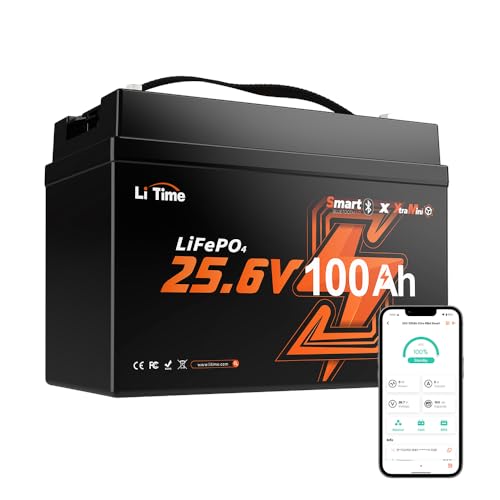
LiTime’s 24V 100Ah pack is designed for trolling motors in the 70–100 lb range, emphasizing steady voltage and smooth thrust control. It features Bluetooth 5.0 monitoring to view SOC, voltage, and current via a mobile app. Best for: users who value real-time off-water power management. Limitation: its height may not fit standard Group 31 trays in all boats; check clearance before purchase.
Elefast 24V 100Ah LiFePO4 Battery

Elefast emphasizes high inrush handling and strong daily performance, with A+ grade LiFePO4 cells and a 100A BMS. It is positioned for trolling motors and RV use, offering robust cycle life and stable power. Best for: high-demand trolling motors that require quick startup power. Limitation: may require additional wiring planning to maximize voltage balance across parallel setups.
Cymoye 24V 100Ah LiFePO4 Battery

Cymoye’s 24V 100Ah LiFePO4 pack offers a small footprint and strong protection with a 50A BMS, low-temperature charging cutoffs, and IP65 housing. It scales in multiple configurations (4P2S) for higher capacity. Best for: boaters needing a compact but scalable system and reliable protection. Limitation: some models rely on multi-cell configurations; verify compatibility with your battery tray and fusing plan.
LGECOLFP 24V 100Ah LiFePO4 Battery

LGECOLFP highlights a lightweight, compact 24V 100Ah pack with a built-in 100A BMS and a long cycle life. It’s positioned for long-term use in trolling motors, boats, and off-grid systems. Best for: users prioritizing long life and safe operation in tight spaces. Limitation: weight and dimensions are similar to other premium 100Ah packs; verify fit in your enclosure and mounting area.
Buying Guide: Key Considerations For 24V Trolling Motor Batteries
- Voltage and capacity: Most trolling motors perform best with 24V systems. A 100Ah rating is common for all-day use, while deeper cycles improve lifespan.
- Battery chemistry: LiFePO4 offers lighter weight, longer life, and stable discharge; it’s generally preferred over lead-acid for trolling motors.
- Built-in BMS features: Look for protection against overcharge, over-discharge, short circuit, and high/low temperatures. A low-temperature cutoff is especially useful in colder waters.
- Physical fit: Check dimensions and weight against your boat’s battery tray, box, and mounting area. Some “mini” designs fit where two 12V packs would.
- Cycle life and warranty: Higher cycle counts improve long-term value. Consider brands that advertise 4000–15000+ cycles and multi-year protection plans.
- Monitoring and connectivity: Bluetooth or app-based state-of-charge monitoring helps manage on-water power without guessing.
- Charging compatibility: Ensure your charger supports 24V LiFePO4 charging profiles and the battery’s BMS requirements for safe charging.
- Environmental resilience: Look for water resistance, IP ratings, and rugged housing if you spend time in saltwater or humid conditions.
Frequently Asked Questions
- What’s the main advantage of 24V LiFePO4 for trolling motors?
– Higher voltage delivers smoother propulsion and better motor responsiveness, while LiFePO4 offers light weight and long cycle life. - Can I mix different 24V batteries on the same system?
– Mixing different chemistries or ages can lead to uneven charging and reduced performance; use matched packs. - Is Bluetooth monitoring essential for a trolling system?
– It’s optional but helpful for real-time SOC and health status, especially on lengthy trips. - What should I check before selecting a 24V battery?
– Check fit in your tray, weight, BMS protection, cycle life, and charging compatibility with your setup. - Do these batteries handle cold temperatures well?
– Many have low-temperature protection to stop charging below a threshold, but discharge performance can also be limited at very low temps. - How long will a 100Ah LiFePO4 battery typically last?
– With 4000–15000+ deep cycles depending on usage and depth of discharge, these packs can serve many years with proper care.