Answer: Battery powered bilge pumps provide portable, cord-free water removal for boats, emergency flood scenarios, and off-grid setups. They’re best for boaters needing deck or cockpit dewatering, RV travelers, campers, and homeowners facing temporary water needs where outlets aren’t available. This guide highlights five reliable battery-powered options, explains who each is best for, and includes practical buying tips to help you choose.
| Product | Best For | Key Benefit |
|---|---|---|
| Attwood WaterBuster Portable Pump | Boat owners and pool covers | Cordless, long runtime with D-cell batteries |
| Blinture Battery Transfer Pump (DeWalt 20V compatible) | Owners with a DeWalt battery system | Interchangeable battery compatibility |
| KJE Portable Battery Pump | Emergency fuel and water transfers | Dual-battery option and quick flow |
| BestCosy Portable Transfer Pump (Amber) | Outdoor and travel use | Lightweight, 2 D or 6 AA batteries |
| BOYISEN Battery Operated Transfer Pump | Fast liquid transfers anywhere | 2.2 GPM with flexible hose |
Attwood WaterBuster Portable Pump, Battery Powered
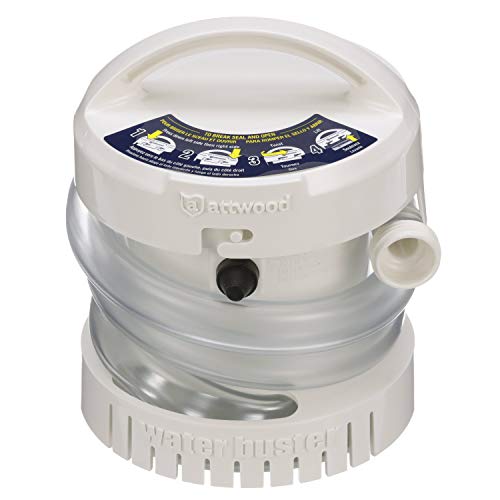
The Attwood WaterBuster is a compact, submersible, battery-powered pump designed for portable water removal. It operates without an electrical cord, using three D-sized alkaline batteries for up to five hours of use. This makes it suitable for boats, pool covers, aquariums, sump pits, and other areas where a power outlet is not readily available. Best for boaters who need a ready-to-go pump that can be carried on deck or stored in a tackle box.
Best for: Boat owners, RV travelers, and emergency kits where cord-free operation matters. Better for short-to-moderate dewatering tasks with emphasis on portability. Caution: Run time depends on battery quality and capacity; heavier pumping may shorten runtime.
Blinture Battery Operated Transfer Pump (DeWalt 20V Compatible)

This transfer pump is designed for versatility, compatible with DeWalt 20V batteries (not included). It supports transferring water between locations such as aquariums, rain barrels, pools, and flooded spaces. Notable considerations include a winter drainage reminder to prevent freezing and damage, and that a hose clamp is not included. Best for: Users who already own DeWalt batteries and want seamless integration. Caution: Battery type and winter storage can affect performance; ensure full drainage after use.
KJE Portable Battery Powered Pump

The KJE Battery Powered Hand Fuel Pump offers quick transfer of fuels and liquids without cords. It can operate with two D-size batteries or six AA batteries (not included). It delivers about 2.2 gallons per minute (8 L/min). Best for: Emergency fueling, outdoor activities, and situations where a reliable, battery-powered transfer pump is needed. Caution: Not all liquids are suitable; verify compatibility before use with fuels other than water.
BestCosy Portable Transfer Pump (Amber)

The BestCosy Amber model is a compact, battery-powered transfer pump for liquids, ideal when power outlets are unavailable. It runs on two D cells or six AA batteries and uses a 1/2 inch discharge tube. It can pump about 2.6 GPM, capable of moving over 1,000 gallons on a single battery set. Best for: DIY mechanics, campers, and emergency water transfer. Caution: Battery choice and discharge capacity affect overall flow rate and run time.
BOYISEN Battery Operated Liquid Transfer Pump
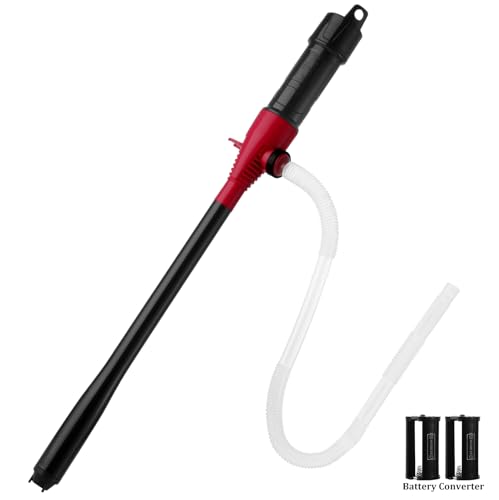
The BOYISEN pump moves liquids quickly with a 2.2 GPM flow rate and runs on 2 D batteries or 6 AA batteries. It features flexible hose compatibility and broad fitting to adapt to standard containers. Best for: Quick refills or drains without an outlet, especially in outdoor or emergency scenarios. Limitation: Battery type and capacity directly influence the pump’s throughput and runtime.
Buying Guide: Key Considerations for Battery Powered Bilge Pumps
- Power source compatibility: Do you already own a specific battery platform (e.g., DeWalt, Milwaukee), or do you need a standard battery type (D or AA)?
- Flow rate vs. run time: Higher GPM is useful for rapid dewatering, but battery capacity will limit runtime. Balance needs with available batteries.
- Portability and reach: Consider hose length, weight, and whether a submersible design is required for your situation.
- Liquid compatibility: Ensure the pump is rated for the liquids you plan to move (water, fuel, diesel, kerosene, etc.). Some models disallow fuels.
- Durability and environment: For boating or outdoor use, look for splash resistance, corrosion resistance, and solid construction.
- Winter storage: Some pumps require draining to prevent freezing and damage in cold climates.
- Accessories: Check if hoses, clamps, or adapters are included or sold separately, as this affects total setup cost.
- Ease of use: Automatic vs. manual operation, simple priming, and quick swap between battery types can save time in urgent moments.
Practical comparison questions
- Which pump should I choose if I already own DeWalt batteries? Choose the Blinture DeWalt-compatible model for seamless use.
- What is best for boat bilge dewatering with no outlet? The Attwood WaterBuster provides cordless operation with long runtimes on D batteries.
- How can I maximize run time on the go? Opt for models that allow you to use high-capacity batteries or multiple battery configurations (AA/AAA or D-cells).
- Is a higher GPM always better? Not always; higher flow drains faster but uses more power. Match GPM to the task and battery availability.
- Do these pumps handle fuels? Some models are designed for water transfer only; check the fuel compatibility before use.
Frequently Asked Questions
- Can I use these pumps with any battery brand? Most models specify compatible battery formats; always verify compatibility before purchase.
- Do any pumps come with a hose included? Some include hoses; others require separate purchases or clamps. Check product details.
- Are these suitable for marine bilge use? Many are designed for general liquid transfer; verify submersible and float-switch features if needed for bilge applications.
- What maintenance is required? Drain liquids after use, avoid freezing, and store with dry conditions to extend life.
- Are there safety concerns with fuels? Use only appropriate fuels and follow manufacturer guidelines to prevent leaks or fire hazards.
- Do battery-powered pumps work in cold weather? Some require draining and storage practices to prevent damage from freezing.