Answering the question of how to remove antifouling coatings from boats, this guide highlights products that help strip, refresh, or manage bottom paints effectively. It covers safe paint-removal aids and abrasion-friendly primers, tailored for fiberglass, wood, steel, and aluminum hulls. Best for boat owners who need a reliable way to prepare, refresh, or unwind legacy coatings before repainting.
Buyer’s quick reference: the top five picks below balance ease of use, environmental considerations, and effectiveness across saltwater and freshwater conditions. The list includes a dedicated paint remover for cleanup jobs, plus several antifouling options that reveal how to properly plan a repaint cycle. Summary table provides a snapshot of each product’s ideal use case.
| Product | Best For | Format | Key Benefit |
|---|---|---|---|
| Motsenbocker’s Lift Off 45406 | Paint removal on boats, RVs, and more | Liquid spray | Safe solvent-based remover that breaks bonds for easier scraping |
| TotalBoat Underdog Bottom Paint | Frequent marina users with fiberglass, wood, steel hulls | Ablative bottom paint | Single-season protection with easy reapplication next season |
| TotalBoat JD Select Ablative (Blue) | Salt or freshwater boats seeking low-odor options | Water-based ablative | Low odor, low VOCs, easy cleanup |
| Rust-Oleum 396967 Marine Bottom Paint | Fiberglass, wood or steel hulls needing simple recoat | Traditional bottom paint | Slow copper release with straightforward recoat timing |
| TotalBoat Outdrive AF | Aluminum boats and outdrives | Copper-free | Single-season protection for outdrives and below-waterline use |
Motsenbocker’s Lift Off 45406 Paint Remover
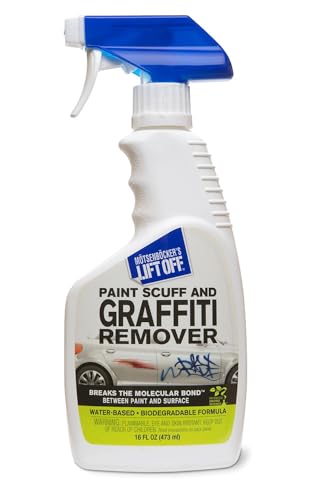
Reference: The Lift Off remover uses a water-based formula designed to safely lift spray paints, graffiti, and other coatings from multiple surfaces, including boats. Best for removing residual coatings before repainting, especially in marina settings where fumes matter. Best for DIY hull cleanup projects or rapid touch-ups. Caution: verify compatibility with existing finishes to avoid substrate damage.
TotalBoat Underdog Marine Antifouling Bottom Paint
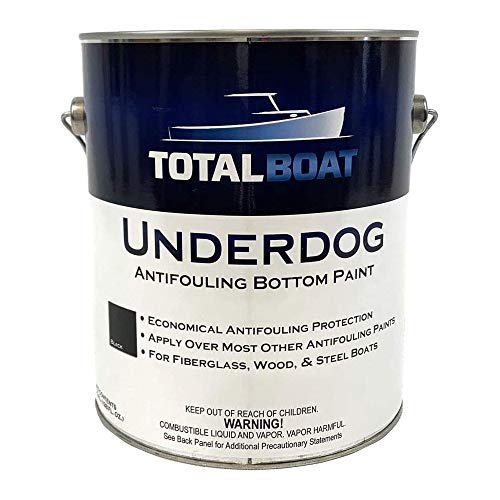
Best for boats that sail or spend long hours in saltwater, especially frequently used sailboats and work boats. This copper biocide formula prevents barnacles and mussels and provides single-season protection. The ablative coating wears away as the boat moves, reducing buildup for easier next-season prep. Suitable for properly prepared fiberglass, wood, steel, and iron hulls. Caution: sustained wear may necessitate more frequent reapplication on high-fouling runs.
TotalBoat JD Select Ablative Antifouling (Blue)

Best for boats in mixed-water environments where environmental restrictions exist. This ablative, self-polishing coating gradually wears away with use, reducing long-term buildup and sparing greater sanding later. It features low odor and low VOCs with easy soap-and-water cleanup, making it a practical choice for marinas with environmental constraints. Caution: no maximum dry time before launch, so ensure readiness before repainting windows.
Rust-Oleum 396967 Marine Bottom Paint

Best for fiberglass, wood, or steel hulls needing a straightforward recoat option. It slowly releases copper to prevent fouling, with a practical recoat window of four hours and launch readiness within 16 hours. Suitable for standard bottom paint projects where a predictable application process is preferred. Caution: not copper-free; plan for copper exposure in sensitive environments.
TotalBoat Outdrive AF Antifouling Paint (Quart)

Best for aluminum boats and outdrives, this copper-free formula provides single-season protection below the waterline in fresh, salt, or brackish water. It is designed to minimize fouling while protecting sensitive metal surfaces. Caution: copper-free can limit broad-spectrum performance in certain marine conditions; verify compatibility with your hull material and water type.
Buying Guide: Key Purchase Considerations
- Water type and intended use: Freshwater vs. saltwater regimens affect coating selection and longevity.
- Hull material compatibility: Fiberglass, wood, steel, and aluminum each respond differently to various antifouling chemistries.
- Ablative vs. hard films: Ablative coatings wear away with use, reducing buildup but requiring more frequent reapplication; hard films last longer but can buildup more quickly.
- Environmental and marina restrictions: Low VOC and low odor options are preferable in restricted marinas and yard spaces.
- Application and cleanup: Low odor, water-based options often ease cleanup and reduce fumes during application.
- Repaint prep: Some products are designed to be recoated quickly, while others require longer surface prep; plan your haul-out schedule accordingly.
FAQ
- Q: What is an ablative antifouling paint? A: It self-polishes and wears away as the boat moves through water, reducing paint buildup over time.
- Q: Is there a copper-free antifouling option? A: Yes, some products like TotalBoat Outdrive AF are copper-free and suitable for aluminum hulls and outdrives.
- Q: Can I recoat after just a few hours? A: Many products offer rapid recoat windows; check the label for the exact timing and launch readiness.
- Q: Do I need special ventilation for low-VOC paints? A: Low-VOC and water-based paints generally have easier cleanup and fewer fumes, but always follow manufacturer guidelines and marina rules.
- Q: Which product is best for frequent use in saltwater? A: Products with copper biocides and multi-season protection, such as TotalBoat Underdog, are designed for frequent saltwater exposure.
- Q: When should I remove old antifouling before applying a new coat? A: If the existing layer is deteriorated, peeling, or poorly adherent, removal or thorough sanding improves adhesion and long-term performance.