Direct answer: a boat cover support system helps prevent water pooling and wind damage by lifting the cover at the center. The top picks below are best for pontoon, Jon, and bow covers, with options ranging from heavy-duty tripods to adjustable poles. Suitable buyers include: casual weekend boaters seeking easy setup, seasonal users needing durable bases, and those with larger covers requiring stronger stability. This guide highlights five reliable systems and includes a quick comparison table to help choose quickly.
| Product | Base Type | Height Range | Best For |
|---|---|---|---|
| Tuszom 2 Pack Adjustable 1-1/8″ D Load-Bearing Steel Pole System | 9″ ABS base with sandbags | Not stated (adjustable via poles) | Pontoon/Jon boat covers needing strong, rustproof poles |
| Camco Boat Cover Support Kit | Tripod/trapezoid base with adjustable pole | 30″–50″ | Versatile fits up to 22 ft boats |
| Nukugula Windproof Boat Cover Support Pole System | 2 Pcs 32″ diameter tripod base | 22″–49″ | Harsh weather and tall boat covers |
| Explore Land Adjustable Boat Cover Support Pole 3 Pieces | 7″ base with 4 slits on mushroom caps | 13″–39″ | V Hull, Jon, Pontoon covers with easy setup |
| [Extra Tall] Affordura Boat Cover Support Pole | Hexagon top, heavy-duty tripod base | 27″–71″ | Larger boats and tall covers needing tall height |
Tuszom 2 Pack Adjustable Steel Boat Cover Poles

Best for: boaters who need robust, rust-resistant poles for pontoon and jon covers. The 1-1/8″ steel poles offer strong load capacity and a powder finish to resist corrosion. The 9″ ABS base adds stability, and included sandbags improve performance in wind and rain. The mushroom-cap tops with three strap holes help keep the cover upright during installation and high winds.
Why chosen: This system pairs heavy-duty steel with larger bases and anti-UV straps for durable, long-term use. It is better for users seeking a balance of strength and portability, and for covers that must stand up to coastal conditions. Caution: heavier poles may require more effort during setup and transport.
Camco Boat Cover Support Kit

Best for: boat owners needing a versatile, height-adjustable system compatible with various boat styles up to 22 feet. This kit includes adjustable poles, support plates, a long nylon strap, and a boat hook. Its telescoping design accommodates different cover heights, reducing sag and water pooling.
Why chosen: Camco’s kit is favored for straightforward setup and wide compatibility. A potential limitation is that the maximum height may not suit very tall boats or deep bow contours, so measure your cover height before purchase.
Nukugula Windproof Boat Cover Pole System

Best for: covers exposed to strong winds or storm conditions. The 32″ tripod base with tail-bending design and adjustable feet offers solid anchor points, while the 10-meter tie rope prevents movement. Poles adjust from 22″ to 49″ to fit different boat depths and cover shapes.
Why chosen: This set emphasizes wind resistance and stability. A caveat is the longer base footprint, which may be less ideal for tight dock spaces or very small boats.
Explore Land Adjustable Boat Cover Support Poles (3 Pack)

Best for: covers on V hull, Jon, and pontoon boats where easy setup and reliable center lifting are needed. The 13″–39″ height range and 7″ wide base stabilize the cover, while the 4-slotted mushroom cap design allows multiple tightening points for a snug fit.
Why chosen: Explore Land’s three-pack provides a cost-effective way to cover larger boats or multiple areas of a single cover. Limitation: shorter maximum height compared to some tall-tripod systems, which may not fit oversized covers or tall hull profiles.
Affordura [Extra Tall] Boat Cover Support Pole
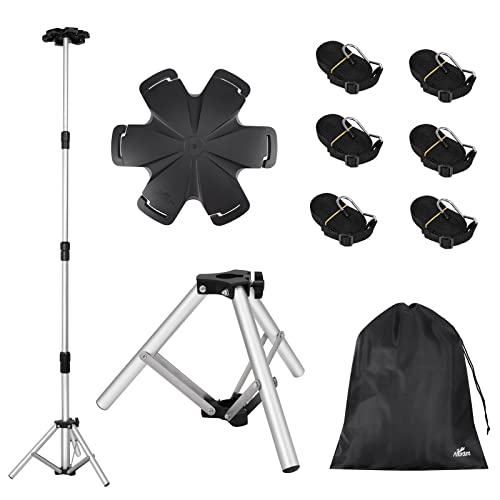
Best for: larger boats and tall covers that require extended height. The 27″–71″ adjustable range, hexagon top, and triangle base provide strong stability, even in adverse weather. The kit includes six straps to spread load and reduce sag risk across wide covers.
Why chosen: This option is ideal when height and bearing capacity are priorities. Caution: the taller height and thicker base may take more space and require careful storage when not in use.
Buying Guide: Key Considerations for Choosing a Boat Cover Support System
- Boat type and size: Match the base footprint and pole height to your hull style (pontoon, Jon, V-hull) and the cover’s depth.
- Stability versus space: Larger bases and tripod configurations improve stability but may require more deck space. Consider dock layout and wind exposure.
- Pole material and corrosion resistance: Steel and aluminum offer strength; powder coatings extend life in saltwater environments.
- Height adjustability: Ensure the system can reach the cover’s peak to prevent pooling without over-tensioning the fabric.
- Tightening and strap design: Mushroom caps and multiple strap holes help secure the cover and minimize tear risk during windy conditions.
- Installation and maintenance: Look for kits with clear setup instructions, included anchors or ropes, and easy storage options.
Frequently Asked Questions
- What is the main benefit of a boat cover support system? It prevents water pooling and extends the life of the cover by lifting the center and keeping the cover taut.
- Do I need different poles for a pontoon versus a Jon boat? Yes—boat shape and height requirements vary; choose a system with appropriate base size and adjustable height.
- Can I use a boat cover support system in winter? Yes, many systems are designed to withstand rain, wind, and snow; ensure the base is stable to resist shifting.
- How high should I set the poles? Set them high enough to form a peak over the cover without over-stretching the fabric; adjust to match your boat depth and cover contour.
- Are tripod bases better than straight poles? Tripod bases generally offer improved stability on larger covers, while straight poles can be easier to install in tight spaces.
- What should I consider for storage and maintenance? Look for rust-resistant materials, rustproof coatings, and components that are easy to wipe clean and store when not in use.