Answering the need for reliable, plug-in warmth in a boat engine compartment or cabin, these electric boat engine heaters are designed to keep critical components from freezing and to make cold days aboard more comfortable. They’re best for boat owners who want quick heat in bilges, engine bays, and nearby living spaces, with options that fit small to mid-size vessels. The list focuses on compact, self-regulating, and safer design features suitable for maritime use and seasonal storage.
| Product | Best For | |
|---|---|---|
| Therelmax Boat Engine Compartment Heater 500W | Boat owners needing fast heat in engine compartments | Quick 3-second warm-up with a safe PTC element |
| Xtreme Heaters Boat, Cabin & RV Heater (White) | Small spaces requiring compact, portable heat | Overheat and tip-over protection for safety |
| Boat Engine Compartment Heater 400W Haoguo | Boats up to 350 cubic feet, winter storage | Self-regulating PTC with 40 CFM waterproof fan |
| Haoguo 400W Boat Engine Compartment Heater | Prolonged engine bay warmth with even heating | 40ºF-50ºF self-regulated control for stable temps |
| Xtreme Heaters Boat, Cabin & RV Heater (Dark Grey) | Versatile, portable heat with safety features | Tip-over protection and quiet operation |
Therelmax 500W Engine Compartment Heater
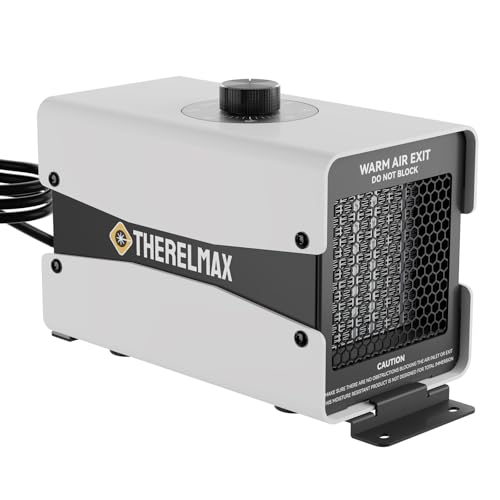
The Therelmax model is designed to extend boating seasons by keeping bilges warm and dry. It uses a 500W safe PTC ceramic heater for rapid warmth and reduces winterizing costs. Best for boaters who want a built-in, reliable heater in the engine compartment and are prioritizing quick heat to protect critical components from freezing. A potential limitation is the fixed power rating; larger boats may require higher output or multiple units for even coverage.
Xtreme Heaters Boat, Cabin & RV Heater

This portable heater is designed to keep small spaces like boats, cabins, or RVs comfortable. It features top-air intake for flexible placement, a low-profile design, and a tip-over switch that automatically shuts off if the unit tips. It’s best for temporary, portable heating where space is tight or when a wall-mounted solution isn’t feasible. Limitations include potential noise and the need for careful placement to avoid heat-sensitive items nearby.
Xtreme Heaters 400W Engine Compartment Heater (Smaller Form)

This model emphasizes compact size with a 150W output increase over prior versions, making it a strong choice for boats that need a smaller footprint yet reliable warmth. It uses a self-regulating PTC element and a 58 CFM waterproof fan for durability. Choose this if you’re limited on space but still want consistent heating; the trade-off is that it may require precise mounting to maximize airflow in tight engine bays.
Haoguo 400W Boat Engine Compartment Heater

Haoguo’s 400W model targets boats up to 350 cubic feet with self-regulated PTC control. It opens at 40°F and closes at 50°F to maintain a stable range, and includes a 40CFM waterproof fan for quiet, long-lasting operation. It’s best for boaters seeking a balance of compact size and dependable temperature control; beware that larger engine compartments may require higher output or multiple units for even distribution.
Kuuma Six-Gallon Water Heater (Marine)

While primarily a hot-water solution, this 6-gallon electric tank unit serves boats needing ready hot water at 120V. It’s useful for daily hot-water access aboard. Best for boat owners who want a simple, dedicated water-heating solution rather than a space heater. It’s not designed as a bilge or engine compartment heater, so it should be used where hot-water output is the priority rather than space heating.
Xtreme Heaters Dark Grey Portable Heater
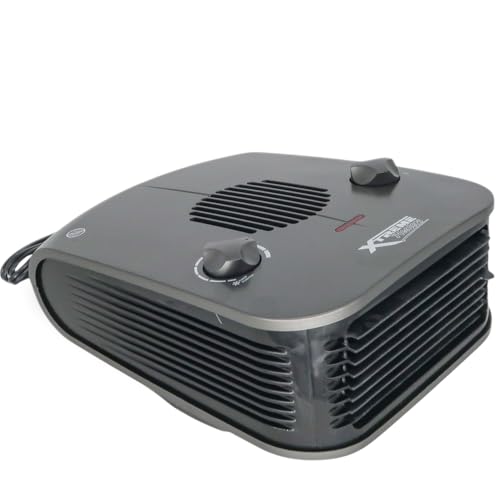
This model emphasizes portability with a safe, quiet design and a stable base that reduces tipping risk. It includes a tip-over switch for safety and is suitable for boats needing temporary warmth in cabins or small compartments. Best for temporary or supplemental heat; avoid using as a primary heating source in very large or poorly ventilated spaces.
Buying Guide: Key Purchase Considerations
- Heat output vs. space: Choose wattage according to the volume to heat. Engine compartments and bilges in boats require robust yet compact heat to prevent freezing without overheating electronics.
- Self-regulating elements: PTC-based heaters automatically adjust output, reducing the risk of overheating and power surges aboard electrical systems.
- Protection features: Look for tip-over switches, overheat protection, and waterproof fans for marine environments where moisture and movement are factors.
- Installation flexibility: Consider whether you need a built-in unit or a portable heater that you can reposition between engine bay, bilge, and cabin as needed.
- Ventilation and safety: Ensure adequate space for airflow around the heater; avoid placing heaters near flammable materials or directly against walls without clearance.
- Electrical compatibility: Check the electrical system’s capacity to handle continuous heat draw, and confirm compatible voltage (typical marine 12V to 120V models).
Frequently Asked Questions
- What is the safest type of boat heater for engine compartments?
Heaters with self-regulating PTC elements and built-in safety features (tip-over and overheat protection) are generally safer for engine compartments and bilges.
- Can I use a portable heater in the boat cabin?
Yes, but ensure it has tip-over protection and place it on a stable, non-flammable surface away from fabrics or gear.
- What wattage is best for a small boat engine bay?
Typically 400–500W is suitable for small engine bays, but larger spaces may require higher output or multiple units for even heat distribution.
- Is a built-in heater better than a portable one for boats?
Built-in units offer integrated, permanent heat with fewer trip hazards, but portable heaters provide flexibility for seasonal or multi-area use.
- Will a bilge heater help prevent freezing in very cold climates?
Yes, bilge heaters keep the bilge and engine components above freezing, reducing risk of damage during extended cold snaps.
- Do these heaters require professional installation?
Most portable models do not; built-in units may require basic wiring or mounting. Always follow manufacturer instructions and water-damage precautions.