Direct answer: For boat owners seeking reliable fuel-line protection and anti-siphon capability, these five check valves offer solid options across common setups. They help prevent fuel theft and backflow while ensuring smooth engine starts. The best choices vary by installation size, material, and compatibility with NPT and barb fittings. This guide highlights five products suited to typical marine fuel-tank configurations, with notes on fit, durability, and practical trade-offs for different vessels and fuel systems.
| Product | Best For | Key Benefit | Limitations |
|---|---|---|---|
| Attwood 88FAS014-6 | Replacement during OEM maintenance | Durable anti-siphon valve with secure ¼-in. NPT to 3/8-in. barb | Aluminum; ensure thread compatibility |
| Marine Anti Siphon Valve Replacement (doufuhua) | Tight seals in small systems | 1/4″ NPT and 3/8″ hose fittings; USCG-regulation aware | 2-pack; may require verification of fit with existing pickups |
| Universal 12″ SADIFOKPLY (7-0948 style) | Long pickup runs and universal fit | Corrosion-resistantHDPE; compatible with E10/E85 fuels | Length may require adjustment for short tanks |
| Adabuing Marine Anti Siphon Valve (2 PCS) | Securing blocked valves or replacements | 1/4″ NPT, 3/8″ hose; USCG-ready design | Two-pack; check universal fit with tank outlets |
| Seachoice Anti-Siphon Valve | Standard USCG-compliant installations | Aluminum, 1/4″ NPT, 3/8″ hose; corrosion resistant | Typical inline use; verify hose compatibility |
Attwood 88FAS014-6 Fuel Tank Fitting
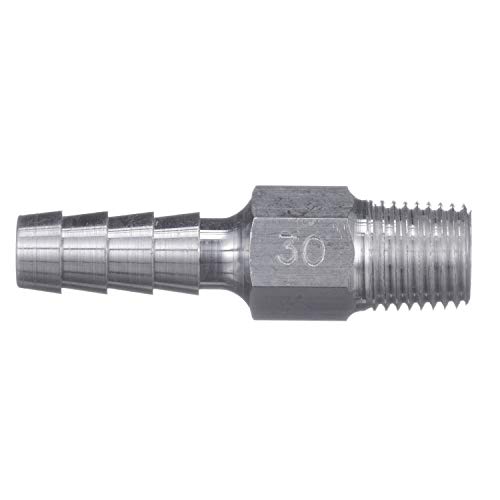
Best for replacing original equipment in classic boats. This Attwood valve provides a secure male-threaded connection and a ¼-in. NPT to 3/8-in. barb configuration, balancing tight seals with simple hose installation. It is well suited for boats that require a compact anti-siphon valve integrated into the fuel line. Best for vessels where OEM compatibility and a straightforward, dependable fuel line connection matter most.
Who it’s for: boat owners performing OEM replacement or standard fuel-line retrofits on mid-size to small vessels. Why selected: trusted Attwood design and straightforward installation fit common fuel-tank assemblies.
Limitations: aluminum construction requires correct oxidation considerations in saltwater use; verify thread and barb compatibility with your existing fuel line pitches.
Marine Anti Siphon Valve Replacement (doufuhua) — 2 Pack

This two-pack is a practical option for boats needing two tight anti-siphon fittings on pickup tubes or tank outlets. The 1/4 inch NPT and 3/8 inch hose connections are designed to ensure a snug seal, reducing the risk of siphoning and fuel theft while meeting USCG-related considerations in many installations. Best for: boats with two fuel line entry points or a paired check-valve setup.
Why selected: emphasizes secure one-way flow and compatibility across common marine fittings. Caution: confirm exact outlet sizes match your existing fittings before purchasing in bulk.
Universal 12″ SADIFOKPLY Fuel Tank Pickup Tube

Best for long pickup runs and universal compatibility. This 12-inch line features a 0.31-inch (8 mm) check valve and a robust HDPE body, designed to withstand marine environments and common E10/E85 blends. It suits boats with longer tank pickups or where a standardized replacement line is needed. Choose this if you need corrosion resistance and a rigid, long pickup.
Who it’s for: boat owners with longer fuel pickups or who want a durable, corrosion-resistant line. Why selected: includes a built-in check valve to prevent backflow, aiding engine reliability. Caution: ensure the overall assembly length fits your tank depth and engine location.
Adabuing Marine Anti Siphon Valve (2 PCS)

This two-pack focuses on preventing siphoning and fuel theft, with a 1/4 inch NPT and 3/8 inch hose connection setup. It’s designed to attach to the top of the fuel tank and operates as a one-way valve toward the engine. Best for: quick replacement or upgrade in boats with known blocked valve risk. Limitation: confirm compatibility with your tank outlet geometry before installation.
Why selected: versatile and USCG-regulation aligned in many small- to mid-sized marine applications. Caution: ensure it matches your tank outlet threading to avoid fit issues.
Seachoice Anti-Siphon Valve
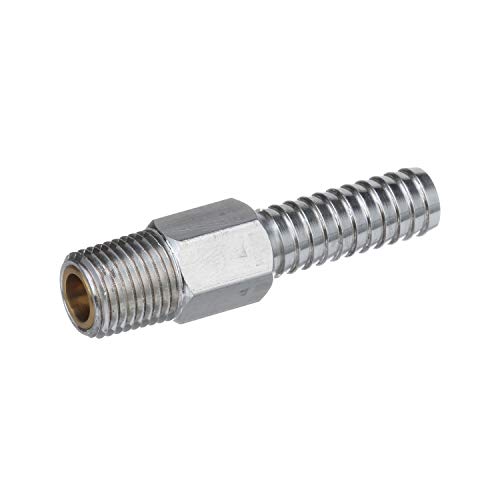
Seachoice offers a corrosion-resistant aluminum anti-siphon valve that is commonly used for compliant fuel systems. The 1/4 in. NPT and 3/8 in. hose fittings support standard marine connections and help prevent fuel theft and spillage during operation. Best for: installations where USCG compliance and aluminum construction are preferred. Caution: verify the valve’s length and mounting compatibility with your existing hardware.
Buying Guide: Key Considerations for Boat Fuel Tank Check Valves
- Fit and fittings: Check whether the valve uses ¼-in. NPT, ⅜-in. hose, or barb connections and confirm compatibility with your fuel tank pickup tubes and hoses.
- Material and environment: Aluminum is common for corrosion resistance, but consider stainless options for saltwater boats. HDPE bodies can resist chemical exposure and impact.
- One-way flow: Ensure the valve design enforces one-way fuel flow toward the engine while preventing siphoning if hoses fail.
- Installation location: Decide if the valve should be located at the tank top, pickup tube, or inline along the supply line, based on your tank depth and engine placement.
- Regulatory alignment: Some valves are advertised as USCG-friendly; verify local requirements for your vessel.
- Maintenance: Look for valves with straightforward disassembly for inspection or replacement of worn seals and gaskets.
- Safety implications: A reliable anti-siphon valve reduces the risk of fuel loss and environmental spillage during operation or in rough seas.
FAQ
- Q: What is the primary purpose of a boat fuel tank check valve?
A: To prevent backflow and siphoning, protecting fuel from theft or leakage and ensuring one-direction fuel delivery to the engine. - Q: Which materials are common for marine check valves?
A: Aluminum and HDPE are common for corrosion resistance; some variants use brass or steel components depending on design. - Q: How do I know which size to choose?
A: Match the valve fittings to your fuel line size (1/4″ NPT, 3/8″ hose, or barb adapters) and verify compatibility with your pickup tube and fuel tank outlets. - Q: Are two-pack options useful?
A: Yes, two-pack fittings can cover multiple fuel line connections or tank outlets, especially on boats with dual pickups or separate lines. - Q: Do all anti-siphon valves meet USCG regulations?
A: Many do, but always verify the product details and local regulations to ensure compliance for your vessel and operating area. - Q: Can these valves handle ethanol-blended fuels?
A: Many modern designs are compatible with typical marine fuels, including certain ethanol blends; check the specific product’s fuel compatibility.