Answering the need for reliable night visibility on boats, these night vision cameras cover thermal, low-light color, and rugged marine options. The top picks are suited for commercial and recreational mariners who want clearer viewing, safer docking, and better obstacle detection after dark. This guide highlights five choices with clear reasons to choose each, along with practical buying considerations and a concise FAQ. A quick summary table is provided to compare core capabilities at a glance.
| Product | Best For | Key Benefit |
|---|---|---|
| FLIR E70354 M232 Pan Tilt Thermal Camera | Commercial captains and serious mariners | Pan/tilt with thermal imaging for all-weather, all-scenario visibility |
| YEOIZO Marine Analog Camera | Boaters needing full-color night vision | Full-color night imagery with ultra-low light performance |
| SiOnyx Nightwave Analog Camera | Rugged, budget-conscious night navigation | Ultra-low light color video with starlight sensitivity |
| FOURQ Fishing Camera | Underwater viewing and fishing boats | Underwater feed with IR night vision and 4.3″ display |
| Garmin GC 14 Marine Camera | General engine-room monitoring | Low-light visibility with chartplotter integration |
FLIR E70354 M232 Pan Tilt Thermal Camera 9hz

Features: FLIR M232 Thermal IP Camera (320 x 240, 9Hz) with Pan, Tilt and electronic zoom, Ethernet-enabled for simple integration with your other electronics, night and day visibility. This camera adds thermal imaging to monitor bridges, docks, buoys, and other vessels even in poor visibility.
Best for: Commercial skippers and serious boaters who need reliable detection of heat signatures and movement in all weather. The pan/tilt feature helps cover wide areas from a single vantage point, which is ideal for docks or busy marinas.
Why selected: Thermal imaging provides reliable visibility regardless of lighting conditions, offering a crucial safety edge when lighting is poor or smoke/fog obscure vision.
Caution: Thermal cameras can be more expensive and require appropriate integration with existing navigation systems; check compatibility with your network equipment and displays before purchase.
YEOIZO Marine Analog Camera

Features: Full-Color Night Vision with an advanced CMOS sensor for bright, daytime-like images at night; Ultra-Low Light Night Vision using AI starlight algorithm; High-Resolution Imaging up to 5MP with 120-degree wide view. Built to illuminate darkness for safer night navigation with clear color details.
Best for: Boaters who want natural-color night imagery to better identify markers, buoys, and other vessels in very low light.
Why selected: Its color night vision and starlight performance offer practical daytime-like visibility, which helps in identifying hazards that might be missed with monochrome or thermal alone.
Caution: Color night vision may be susceptible to dust or fog reducing clarity; ensure proper lens care and placement to maximize performance.
SiOnyx Nightwave Analog Camera

Features: Ultra-low light color video with moonless starlight sensitivity; 44° field of view; rugged construction with water, sand, salt, and dust resistance; dry nitrogen purge to prevent lens fogging. It enables longer outings with clearer night footage without relying on white-light or thermal gear.
Best for: Boaters seeking dependable color footage at night without heavy thermal equipment, suitable for recreational to commercial use where wind and spray are common.
Why selected: The Nightwave design emphasizes simplicity and reliability in difficult lighting, making it a strong all-around choice for general night navigation.
Caution: The 44° field of view means wider coverage is limited; plan camera placement to capture key channels and markers.
FOURQ Fishing Camera
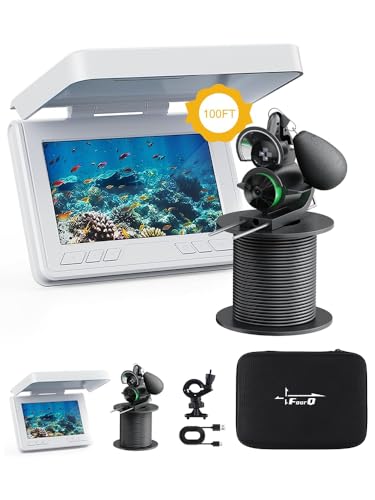
Features: 4.3″ LCD, IP68 waterproof rating, 100 ft cable, 10+ hours of battery life, 5000mAh battery, 4.3″ HD color display with 12 IR lights; 1000tvl chip for clearer underwater images. Includes versatile mounting options for fishing boats and recreational craft.
Best for: Boats engaged in fishing or underwater inspection where an above-water camera is supplemented by a robust underwater view.
Why selected: The underwater perspective helps locate fish habitats, nets, and debris, providing practical utility beyond standard above-water cameras.
Caution: Mainly designed for underwater viewing; may require alignment with your boat’s display system and may not substitute for above-deck surveillance in all conditions.
Garmin GC 14 Marine Camera

Features: Analog camera with low-light capability; suitable for engine rooms and other low-visibility areas; ability to broadcast images on a chartplotter or across networked chartplotters. Compact and straightforward for onboard monitoring.
Best for: Boat owners who need a simple, reliable engine-room or deck-area camera and plan to integrate with a chartplotter ecosystem.
Why selected: Its straightforward integration with Garmin chartplotters makes it a practical choice for those already using Garmin navigation solutions.
Caution: Analog signals provide limited detail compared to modern digital feeds; consider upgrading to a higher-resolution option if critical night visibility is required.
Buying Guide
- Night Vision Type: Choose thermal when you need reliable contrast in all weather, regardless of lighting. Opt for full-color low-light or starlight cameras when color detail at night helps navigation and obstacle recognition.
- Coverage and Mounting: Consider pan/tilt capability for wide coverage, and the mounting location (deck, engine room, bow) to minimize blind spots.
- Resolution and Range: Higher resolution improves detail, but may require more bandwidth. For underwater footage, ensure waterproofing and a readable display at sea state you expect.
- Connectivity: Ethernet, IP networking, and chartplotter compatibility affect how easily the camera integrates with existing systems. Plan for compatible interfaces before purchase.
- Durability: Marine environments demand saltwater resistance, weatherproof housings, and dust/sand resistance. Look for IP ratings and rugged builds for longevity.
- Viewing Angle: A wider field of view helps monitor larger areas; a narrower angle concentrates on critical zones. Balance with placement to reduce blind corners.
- Power and Battery: Wired cameras may rely on vessel power; wireless or battery-operated options offer placement flexibility but require charging considerations.
- Cost vs Benefit: Thermal cameras deliver strong night detection but at higher cost. Full-color night vision provides clearer targets at a lower price point, while underwater cameras add value for fishing and inspections.
Frequently Asked Questions
- What is the main difference between thermal and color night vision for boats? Thermal imaging detects heat signatures and works in fog or smoke, while color night vision uses low-light sensors to produce color images in very dark conditions.
- Do I need IP or analog cameras for a boat? IP cameras offer higher resolution and network integration, while analog cameras can be simpler to install with existing displays. Choose based on your chartplotter compatibility and desired image quality.
- Can night vision cameras help with safety at docks? Yes, they improve awareness of nearby vessels, pilings, and moorings in low light, reducing collision risk.
- Is a wider field of view always better? Not always. A wider view covers more area but can reduce detail. Place cameras strategically to ensure critical zones are within view.
- What maintenance is needed for marine night vision cameras? Regular lens cleaning, seal checks for watertight integrity, and firmware updates ensure optimal performance in harsh marine conditions.