If you need reliable wind speed data for sailing, cruising, or racing, these boat wind speed instruments deliver clear, actionable readings. This guide helps sailors choose gear that matches their boat type, budget, and data needs. The top picks cover dedicated wind instruments, solar-powered models, and vane indicators to suit different sailing styles. The buyer-friendly summary below compares key details to help you pick the right instrument for your vessel and environment.
| Product | Best For | Key Benefit |
|---|---|---|
| Sailboat Instrument Kit – Wind Speed with gWind Transducer | Racers and performance cruisers | Accurate, all-weather transducer data |
| Garmin GNX Wind | Budget-conscious sailors needing clarity | Backlit display with wind data fields |
| Davis Instruments – 3150 WindTrak 15 | Simple, non-digital setup | Affordable vane-based solution |
| Calypso Instruments Solar Ultrasonic Anemometer | Off-grid, tech-forward boats | Solar-powered, maintenance-free ultrasonic |
| Davis Instruments Wind-Tels Vane Set | Traditional vane users | Reliable mechanical wind indication |
Sailboat Instrument Kit With gWind Transducer

This kit provides wind speed data through a gWind transducer designed for surface mounting on sailboats. It emphasizes practicality for sailors who want accurate, steady wind readings without complex wiring. Best for racers or performance cruisers who rely on precise wind data to optimize sail trim and course strategy.
Why selected: The gWind transducer delivers consistent velocity data, aiding decisions in shifting wind conditions. The design’s mounting style suits many cockpit layouts, and the setup is straightforward for sailors who prioritize data reliability over display complexity.
Caution: This kit specifies surface mounting and a streamlined display approach, which may require additional display options if you prefer real-time digital readouts in a separate instrument cluster.
Garmin GNX Wind: Simple, Clear Wind Instrument
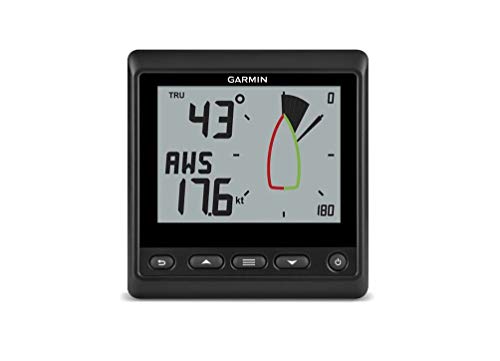
The Garmin GNX Wind offers a dedicated wind instrument with a backlit, glass-bonded display. It presents true and apparent wind data across two data fields plus a wind rose, along with additional data like boat speed. This model is best for sailors who need a compact, readable interface with straightforward data presentation in varying light conditions.
Why selected: The backlit monochrome display minimizes fogging and maintains readability, ensuring critical wind information is accessible at a glance. The dual-data fields and wind rose support quick, informed decisions during navigation and sail trim adjustments.
Limitation: The device emphasizes display clarity and wind data but may require integration with other onboard sensors for a fuller navigation suite, depending on your boat’s electronics ecosystem.
Davis Instruments 3150 WindTrak 15

WindTrak 15 represents a simple, economical wind-tracking option that suits sailors who prefer a vane-based approach with minimal parts. It’s a practical choice for those who want a low-maintenance, mechanical wind indicator without the complexity of digital displays.
Why selected: The 3150 is affordable and easy to install, offering intuitive wind indication for sailors who value reliability over advanced data features. It’s an excellent companion for smaller boats or as a secondary indicator on larger vessels.
Limitation: As a non-digital option, it lacks the rich data readouts some sailors prefer for performance analysis or weather planning.
Calypso Instruments Solar Ultrasonic Anemometer

The Calypso Solar Ultrasonic Anemometer is a pocket-sized, self-charging wind meter designed for sailing, hunting, and outdoor use. Its 100% solar-powered system keeps the internal battery topped up, while an ultrasonic sensor provides wind speed and direction with no moving parts. It integrates with Garmin Connect for data sharing.
Why selected: Solar autonomy is a strong benefit for boats without reliable shore power, and ultrasonic sensors offer low-maintenance operation in salty conditions. This instrument supports easy deployment and on-boat wind tracking with smartphone connectivity for data review.
Caution: Ultrasonic sensors can be sensitive to extreme conditions or magnetic interference near other instruments; ensure it is positioned away from metal structures that could distort readings.
Davis Instruments Wind-Tels Vane Set
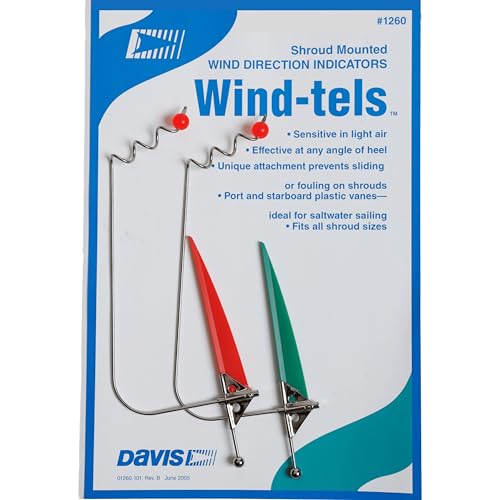
Wind-Tels Vane Set is a traditional vane indicator system designed to fit various shroud sizes and provide reliable wind direction cues through red and green port and starboard vanes. It’s a practical solution for sailors who prefer mechanical wind indication on sailboats with straightforward installation and storage.
Why selected: This set emphasizes ease of installation and compatibility with multiple rig configurations, making it a solid choice for older boats or those seeking a low-tech, dependable wind indicator.
Caution: It does not provide digital wind speed data, so users requiring numeric wind speed readings may want a vane set in combination with a separate anemometer.
Buying Guide: Key Considerations For Boat Wind Speed Instruments
What type of wind data do you need? If you rely on precise wind speed numbers for racing analysis, prefer digital wind instruments with integrated wind rose and multiple data fields. If you want a simple, reliable wind direction indicator, vane-based systems may be adequate. For off-grid vessels, solar-powered ultrasonic models provide maintenance-free operation.
- Display clarity and readability: Look for backlit or high-contrast displays for all lighting conditions. Consider whether you need multiple data fields or a dedicated wind rose.
- Power and connectivity: Decide between wired, battery-powered, or solar-powered units. Ultrasonic sensors reduce moving parts and calibration needs but may require compatible interfaces with onboard networks.
- Mounting and integration: Surface mounting versus through-hull or masthead installation affects your cockpit layout and maintenance. Ensure compatibility with your boat’s rig and electronics.
- Data scope: Wind speed alone versus true and apparent wind data, boat speed, and steering aids. A broader data package supports more advanced decision-making in varying wind.
- Durability: Salt spray resistance, UV exposure, and rugged housings matter for coastal or offshore use. Choose units designed for marine environments.
- Upgrade path: If you already have a Garmin or similar ecosystem, choosing compatible devices can simplify data sharing and display integration.
Frequently Asked Questions
- What is the difference between true wind and apparent wind? True wind is the wind felt when stationary, while apparent wind is what you feel on a moving boat. Many instruments display both to aid sail trim.
- Do wind instruments require calibration? Some ultrasonic or vane-based systems need periodic checks, but many modern units are designed to minimize calibration needs.
- Can a solar-powered wind instrument operate at night? Solar-powered sensors recharge during daylight, but data display may rely on internal batteries and may vary by model.
- Is a vane set sufficient for navigation on larger boats? Vane sets provide reliable wind direction cues; for speed data, pair with a separate anemometer or instrument cluster.
- Which wind instrument is best for racing? Devices with true and apparent wind data, wind rose, and real-time speed information typically serve racing needs best.
- How do I choose between digital and mechanical wind indicators? Digital instruments deliver wind speed and direction, while mechanical vanes offer simple, robust indication with fewer components.