Answer: For effective anti-fouling performance, choose bottom paints that release biocide as a boat moves, are suitable for fiberglass, wood, and steel, and offer easy re-coat or reactivation options. These options are best for sailors, power boats, and work boats that spend time in saltwater or brackish environments. This guide compares five top picks to help you select the right coating based on usage, maintenance, and environmental considerations. The table below summarizes the five picked products to help you decide quickly.
Summary Table Of Chosen Products
- TotalBoat Underdog Marine Antifouling Bottom Paint – Black | Gallon
- Rust-Oleum 396967 Marine Antifouling – Black | Quart
- TotalBoat Underdog Marine Antifouling Bottom Paint – Blue | Gallon
- TotalBoat JD Select Ablative Antifouling – Black | Quart
- Interlux Fiberglass Bottomkote NT – Blue | 1 Gallon
TotalBoat Underdog Marine Antifouling Bottom Paint – Black (Gallon)
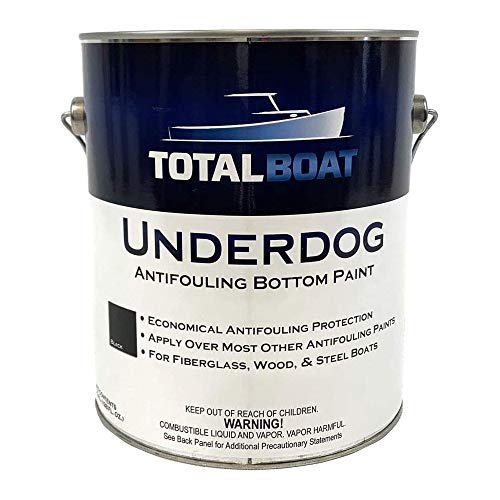
Best for boats that run frequently in saltwater. This economical antifouling paint uses copper biocide to prevent barnacle and mussel attachment and releases fresh biocide as water flows beneath the hull. It’s designed for fiberglass, wood, steel, and iron bottoms and resists paint buildup since the coating wears away over the season. Choose this for sailboats, power boats, or work boats that require single-season protection with easy reapplication next season.
Ideal buyers: frequent saltwater users who want a simple, cost-effective bottom coating that performs well in mixed conditions. The formulation aims to balance protection with easy maintenance after hauling.
Caution: The ablative nature means you’ll likely need a light re-sand and recoat next season if conditions are harsh or you launch often.
Rust-Oleum 396967 Marine Flat Boat Bottom Antifouling Paint – Black (Quart)

Best for versatile surfaces. This copper-releasing formula is designed to prevent fouling on fiberglass, wood, or steel bottoms. It offers a straightforward recoat window and can cover up to 110 sq ft, making it suitable for smaller boats or refinishing projects. The paint’s slow copper release provides gradual antifouling protection, which is helpful for boats docked in areas with moderate fouling pressures.
Who it’s best for: boaters seeking a lightweight, easy-to-apply antifouling solution that tolerates quick turnarounds and marinas with limited ventilation. The quart size is convenient for smaller craft or touch-ups.
Caution: It requires proper surface prep and adequate curing time before launching, and performance can vary in extreme fouling environments.
TotalBoat Underdog Marine Antifouling Bottom Paint – Blue (Gallon)

Best for frequent-use boats in varied saltwater conditions. This blue variant shares the same economical, single-season protection as the black version, using copper biocide to deter barnacles and mussels. It maintains a durable finish that stands up to trailering and beaching better than traditional ablative paints. It’s suitable for fiberglass, wood, and steel hulls and avoids paint buildup as the coating wears away seasonally.
Who it’s best for: owners who want consistent performance across colors and need a cost-conscious option for boats used regularly in saltwater or brackish waters.
Caution: As with other ablative paints, long-term storage or extended periods out of the water may require reactivation steps before re-launching.
TotalBoat JD Select Ablative Antifouling Bottom Paint – Black (Quart)

Best for multi-surface performance. This is an ablative, self-polishing coating that wears away gradually as the boat moves, reducing bottom paint buildup. It’s designed for fiberglass, wood, and steel boats in both saltwater and freshwater. The low-odor, low-VOC formulation cleans up with soap and water, making it friendlier for marinas or boatyards with environmental restrictions. It can be burnished for a smoother, faster finish.
Who it’s for: boaters prioritizing a low-toxicity, easier cleanup option with reliable annual refreshment and the flexibility to burnish for speed improvements.
Caution: Ablative coatings require regular reapplication cycles; plan for annual maintenance depending on usage and water conditions.
TotalBoat JD Select Ablative Antifouling Bottom Paint – Black (Gallon)

Best for high-usage vessels needing durable, self-polishing protection. The black gallon version provides the same self-polishing properties as the quart, with enough volume for larger projects or multiple coats. It minimizes bottom paint buildup and supports smoother re-launches with less sanding compared to non-ablative options.
Who it’s for: larger boats or fleets seeking a long-lasting ablative antifouling solution with flexible application volume. It is better for marinas that require robust protection with straightforward cleanup.
Caution: The larger container requires more storage space and careful handling to avoid uneven thinning or application inconsistencies.
Interlux Fiberglass Bottomkote NT – Blue (1 Gallon)

Best in class antifouling for fiberglass bottoms. This product emphasizes performance in a range of water types and is known for staying smooth and stable under contact with marine organisms. It is a water-based formula with relatively low odor and easier environmental compliance. It is suitable for marinas with restrictions and for boats that require predictable, repeatable results.
Who it’s for: boaters who want a trusted, recognized brand with a traditional bottom paint approach that works well in mixed water conditions. The blue color helps with visibility of coverage during application.
Caution: Performance can vary with extreme fouling levels; ensure proper surface preparation for optimal results.
Buying Guide: Key Purchase Considerations
- Surface compatibility: Ensure the coating is rated for your hull material (fiberglass, wood, steel, aluminum) and water type (salt, brackish, or freshwater).
- Ablative vs. hard antifouling: Ablative paints wear away to prevent buildup but require reapplication cycles; hard or semi-hard coatings may last longer between jobs but can accumulate residue.
- Biocide content: Higher copper content offers stronger protection in heavy fouling environments but may require careful disposal and marina compliance.
- Drying and recoat times: Some formulas allow quick re-coats and faster launches; verify local marina rules and environmental restrictions.
- VOC and odor: Low-VOC, low-odor options suit marinas with strict environmental guidelines and indoor-safe application environments.
- Coverage and container size: Choose a size that matches your hull area and project scope to avoid waste and ensure even coverage.
- Reactivation and maintenance: Consider how you will reactivate antifouling properties after haulouts or long dock stays.
- Application ease: Water-based formulations typically offer easier cleanup but may have different curing requirements than solvent-based options.
FAQ
- What is antifouling paint best for bowing away marine growth? Anti-fouling coatings containing biocides like copper deter barnacles, slime, and mussels, helping keep hulls smooth and efficient.
- Is ablative paint better than non-ablative for frequent haulouts? Ablative paints wear away with water movement, reducing buildup; non-ablative paints may last longer between applications but can require more sanding.
- Can I use antifouling paint on aluminum hulls? Yes, some products are formulated for aluminum and other metals; check product specs and use a dedicated barrier coat if needed.
- Do low-VOC paints perform as well as traditional coatings? Many modern low-VOC formulas offer comparable antifouling performance with easier cleanup and marina compliance.
- How soon can I launch after applying antifouling paint? This varies by product; follow the manufacturer’s cure times and local marina regulations to ensure proper adhesion and safety.
- What’s the best option for boats stored in saltwater year-round? Look for high-performance antifouling paints with strong copper content and multi-season protection, plus easy oh-year maintenance considerations.