Finding the right bottom paint depends on your boat type, water conditions, and maintenance plan. This guide highlights five antifouling options that balance protection, reapplication frequency, and ease of use. Best for frequent swimmers, sunny marinas, and boats that spend time at anchor or underway, these selections help reduce barnacles, slime, and fuel use over a season. The following picks are organized to help you compare by durability, environmental impact, and reapplication needs.
Summary of selected products:
| Product | Best For | Key Benefit | Notes |
|---|---|---|---|
| TotalBoat Underdog Marine Antifouling (Black, Gallon) | Frequent use boats | Economical, durable finish | Ablative, easy next-season prep |
| TotalBoat JD Select Ablative (Black, Quart) | Salt & freshwater boats | Low odor, easy cleanup | Water-based, low VOCs |
| TotalBoat JD Select Ablative (Black, Gallon) | All-around performance | Self-polishing, smooth burnish | Same benefits as quart, larger quantity |
| Rust-Oleum 396967 Marine Antifouling (Quart, Black) | Fiberglass, wood, steel | Copper release, easy recoat | Budget-friendly option |
| Interlux YBB379G Bottomkote NT (Black, GAL) | Fiberglass bottom protection | Fiberglass-specific formula | NT formulation; consult marina rules |
TotalBoat Underdog Marine Antifouling (Black, Gallon)
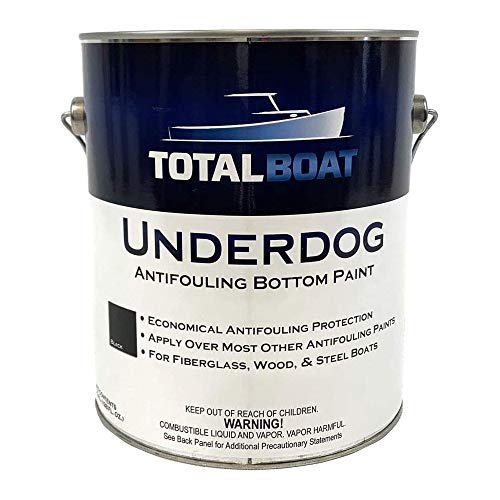
Best for boats used frequently in saltwater. This economical antifouling provides single-season protection with a copper biocide that helps prevent barnacles and mussels on fiberglass, wood, and steel hulls. The ablative coating wears away during the season, reducing paint buildup for easier reapplication next year. Ideal for sailboats, powerboats, fishing, and workboats that spend time moving through water.
Who it’s best for: boats that see regular use and require a budget-friendly, durable finish. Caution: performance may vary with extreme fouling or extended periods out of water without reapplication.
TotalBoat JD Select Ablative (Black, Quart)

Best for saltwater and freshwater boats seeking a low-odor, low-VOC option. This ablative, self-polishing coating wears away as the boat moves, minimizing future buildup and simplifying next-season prep. It can be burnished for smoother speed and efficiency and cleans up easily with soap and water. It’s suitable for fiberglass, wood, and steel hulls and is widely used around marinas with environmental restrictions.
Who it’s best for: owners prioritizing environmental considerations and easy cleanup. Caution: some users may want a larger quantity for bigger hulls or multi-season protection.
TotalBoat JD Select Ablative (Black, Gallon)

Best for all-around performance with a larger volume for bigger boats. This ablative formula self-polishes as the boat moves, reducing paint buildup and enabling less sanding next season. It shares the low odor and easy cleanup of its quart sibling, and performs well in both salt and fresh water on fiberglass, wood, and steel hulls. Suitable for marinas with environmental restrictions due to its low VOCs.
Who it’s best for: boat owners needing extended protection plus easier annual prep. Caution: higher copper content requires proper disposal per local regulations in some regions.
Rust-Oleum 396967 Marine Antifouling (Quart, Black)

Best for DIY projects and budget-conscious buyers. This bottom paint is formulated to slowly release copper to deter fouling and can be recoated within a short window. It covers up to about 110 square feet per quart and allows recoat in roughly 4 hours with a launch in about 16 hours. Suitable for fiberglass, wood, and steel hulls.
Who it’s best for: budget-minded owners needing a quick-turnaround option. Caution: may require more frequent reapplication in heavy fouling or high-use conditions.
TotalBoat Spartan Boat Bottom Paint (Black, Quart)

Best for high-fouling conditions requiring robust protection. This paint features a high copper content for maximum antifouling protection against barnacles and slime in fresh, salt, and brackish waters. The advanced copolymer ablative formula offers a smooth balance of performance and ease of use, with a choice of burnish for a racing-like finish. It reduces paint buildup to ease reflighting or repainting.
Who it’s best for: boats facing heavy biofouling or those seeking top-tier antifouling. Caution: higher copper content can affect sensitive underwater surfaces and may require careful marina approval before use.
Buying Guide: Key Purchase Considerations
- Water type and fouling level: Match antifouling strength to typical conditions—saltier waters or higher routine use may justify ablative, copper-rich formulas.
- Boat material compatibility: Confirm the product lists fiberglass, wood, steel, or iron as suitable hulls for best results.
- Ablative vs. hard coatings: Ablative paints wear away with use, reducing buildup; hard paints stay intact longer but may require more sanding later.
- VOC and odor: Low-VOC, low-odor options are preferable in marinas with strict environmental rules and ventilation considerations.
- Reapplication schedule: Ablative coatings often offer easier resurfacing; plan around haul-out timing and maintenance windows.
- Environmental compliance: Check marina regulations for copper use and disposal requirements in your area.
Frequently Asked Questions
- What is bottom paint used for on boats?
Bottom paint prevents barnacles, weeds, and slime from attaching to the hull, helping maintain speed and fuel efficiency. - What does “ablative” mean in antifouling paints?
Ablative coatings gradually wear away as the boat moves through water, exposing fresh biocide and reducing buildup on the hull. - Can I use bottom paint in freshwater and saltwater?
Most antifouling paints are designed for both, but verify the product label for the specific environments supported. - How soon can I launch after applying bottom paint?
Follow the product’s recommended dry time; many low-VOC formulations allow relatively quick launches, while others may require longer cure times. - Do I need to remove old bottom paint before applying new?
Some products require spot sanding or scuffing to ensure adhesion; always follow manufacturer instructions for surface prep. - Is copper-based paint safe for marina use?
Copper-based antifouling is common, but check local regulations and marina policies regarding copper content and runoff.