When towing a boat, a reliable breakaway and hitch setup is essential for safety and control. This guide highlights five top breakaway and hitch products designed for American boat trailers, utility trailers, and campers. Each option targets different towing needs—from emergency braking reliability to easy alignment and heavy-duty couplers. This overview helps buyers choose what fits their trailer type, weight, and practice level.
| Product | Best For | Why It Stands Out |
|---|---|---|
| CURT 52010 Trailer Breakaway Switch | Small to mid-size trailers | Reliable safety switch with silver contact points for consistent braking on disconnection |
| 4′ Breakaway Trailer Cable with Pin | Emergency braking systems | Durable steel core with UV-resistant coating minimizes damage and snags |
| NBJINGYI Straight Trailer Coupler | 2″ ball, mid-range boats and equipment | 3,500 lbs GTW rating with quick-release latch for easy connection |
| CURT 25100 Straight Tongue Coupler | 3″ channel tongues, secure sport trailers | Posi-lock latch and adjustable nut for snug, secure fit |
| JOUNJIP 52-Inch Magnetic Alignment Kit | Boat trailers with tall tongues | 52″ visibility to guide hitching in poor lighting or crowded lots |
CURT 52010 Trailer Breakaway Switch

The CURT 52010 is a dedicated trailer breakaway switch that connects the towing vehicle to the trailer’s breakaway battery and brakes. It engages the trailer brakes if the trailer becomes detached, helping to prevent runaways. This model uses silver contact points to improve electrical reliability, a feature that matters for frequent towing on varied routes. Best for: owners who want an immediate, automatic braking response in emergencies and a straightforward install.
Best for safety-conscious boat and utility trailer owners who retrofit or upgrade a breakaway system. The switch includes a metal mounting tab with a pre-drilled hole for quick mounting. A potential limitation is that it relies on the trailer’s breakaway battery and wiring condition for full effectiveness.
4′ Breakaway Cable with Pin Trailer Cable

This breakaway cable uses woven steel with a UV-resistant TPU coating, offering durability against sun and abrasion. The design reduces the risk of fraying or snagging during long hauls. It is intended to integrate with existing breakaway systems and provides a robust emergency connection that helps ensure brakes engage reliably if the trailer detaches. Best for: owners who need a resilient, weather-resistant safety cable for marine or RV trailers. Limitation: data notes focus on materials; compatibility with all breakaway battery configurations should be verified before install.
NBJINGYI Straight Trailer Coupler, 2″ Ball

The NBJINGYI straight coupler is built for a 2″ hitch ball and a 2″ channel tongue, with a robust 3,500 lbs GTW rating. The quick-release latch lever and spring-loaded mechanism provide a firm grip for reliable coupling during marina trips or job-site hauls. Best for: mid-size boats and utility trailers that require a heavy-duty coupler with easy detachment. Caution: ensure the tongue width and ball size match your trailer setup to avoid fit issues.
CURT 25100 Straight Tongue Trailer Coupler
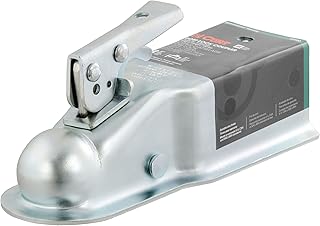
The CURT 25100 is designed for a 3-inch wide trailer tongue and couples to a standard 2″ ball. It features an adjustable nut and a posi-lock spring to ensure a snug, secure fit. This model supports secure coupling with the option to add a safety pin or coupler lock for added security. Best for: trailers with 3-inch tongues that require precise adjustment for a tight connection. Limitation: adjustment may require periodic checks to maintain optimal fit over time.
JOUNJIP 52-Inch Magnetic Alignment Kit

The JOUNJIP magnetic alignment kit features a 52″ tall base to improve visibility for hitching in low-light or crowded areas. The wider magnetic base helps keep the guide stable even on uneven surfaces, supporting faster, more accurate alignment with a single person. Best for: boat or RV trailers that sit high on pickup beds or in challenging parking lots. Limitation: magnetic guides may require repositioning if mounting hardware shifts over time.
Buying Guide
What to consider when choosing a breakaway or hitch accessory:
- Trailer weight and GTW rating: Match the product’s capacity to your trailer’s gross weight for safe operation.
- Tongue and ball compatibility: Confirm tongue width and hitch ball size before purchasing a coupler or alignment kit.
- Emergency braking reliability: For frequent towing, prioritize switches and cables with robust electrical connections and weatherproof coatings.
- Ease of installation: Look for items with mounting tabs, quick-release latches, and straightforward wiring for faster upgrades.
- Visibility and accessibility: Alignment kits should offer clear sightlines, especially for solo hitching in dim areas.
Practical guidance by scenario:
- For small boats and light utility trailers, a breakaway switch paired with a sturdy cable often provides the right balance of safety and simplicity.
- For larger or tall boats, height-extending alignment aids help ensure hitching accuracy without climbing around the vehicle.
- When security is a priority, look for couplers with posi-lock or lockable pins to deter accidental detachment.
FAQ
- What is a breakaway switch and why do I need one? – It triggers trailer brakes if the trailer becomes disconnected from the tow vehicle, helping to stop the trailer safely.
- Do I need professional installation for these parts? – Most items are designed for DIY installation, but confirm mounting and wiring requirements before starting.
- What is GTW and why does it matter? – GTW stands for gross trailer weight; matching GTW ensures the component can safely handle the load.
- Can I mix and match hitch components from different brands? – Yes, if sizes and standards (tongue width, ball size, tongue type) are compatible; always verify fit first.
- How do I know if my current breakaway battery is compatible? – Check the battery’s rating and the braking system requirements in your trailer manual or consult the manufacturer.
- Is magnetic alignment safe on all surfaces? – Magnetic guides work best on ferrous surfaces and when mounting hardware remains secure; avoid magnetic guides on non-ferrous frames or if mounting points are loose.