Answer: For reliable, watertight cable through-hull solutions, choose bulkhead pass-thru and side-entry fittings designed for marine use, easy installation, and compatible hole sizes. This guide focuses on five top options optimized for transducer wires, antennas, and other deck-to-hull wiring. Ideal buyers include DIY boaters, kayakers upgrading electronics, and small- to mid-size vessel owners seeking clean, protected cable routing.
The following table highlights the five products selected for clarity and quick comparison.
| Product | Best For | Key Benefit | Hole/Opening |
|---|---|---|---|
| T-H Marine CeaCap Bulkhead Pass Thru Fitting | Transducer runs, bulkhead mounts | Watertight seal without extra hardware | 3/4 inch hole |
| Blue Sea Systems 1003 CableClam | Antenna or small cable feeds | Simple, clean pass-thru opening | 1.39 inch opening |
| SEACHOICE CABLE THRU-HULL FITTING WHITE | Single/double cables through hull | Self-fix, no screws needed | 1/4 inch slot |
| Blue Sea Systems 1007 Side Entry CableClam | Side-entry, factory connector retention | Low profile, side-mount | White |
| ChangTa Through Hull Wiring Kit | Wiring through kayak hulls and small vessels | Marine-grade kit for multiple devices | General through-hull kit |
T-H Marine CeaCap Bulkhead Pass Thru Fitting

The T-H Marine CeaCap Bulkhead Pass Thru Fitting creates a watertight seal for cables, tubing, or wires routed through a bulkhead. The self-attaching design installs without extra hardware, offering a cleaner, faster setup. Best for vessels needing reliable transducer wiring protection from water intrusion and clutter-free installations, especially where a bulkhead pass-thru is preferred over through-hull entries. Caution: verify hole size compatibility (3/4 inch) with existing bulkhead cutouts.
Blue Sea Systems 1003 CableClam

The Blue Sea Systems 1003 CableClam provides a simple, clean feed-thru for antenna or small-diameter cables. It’s best for buyers needing a compact, low-profile entry with minimal intrusion into the hull or bulkhead. It’s better for smaller cables and where a straightforward opening is sufficient. Limitation: larger connectors or bulky cables may require the 1.39″ opening, which is not suited for very tight spaces.
SEACHOICE CABLE THRU-HULL FITTING WHITE

Seachoice’s black or white through-hull fittings offer self-fixing capability, removing the need for extra screws. This model is suitable for single or double cables and is positioned as a flexible option for small to mid-sized installations. Best for boats requiring quick installation with fewer fasteners. Caution: check compatibility with cable count and hole size for your hull.
Blue Sea Systems 1007 Side Entry CableClam
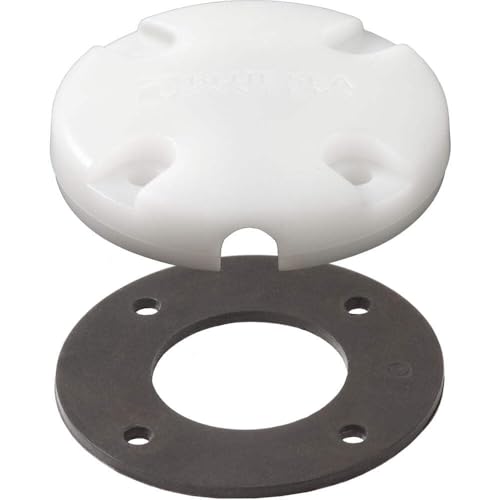
The Blue Sea Systems 1007 Side Entry CableClam is designed for side-entry installations, letting cables connect without removing factory connectors. It features a simple one-piece design for easy side-mounting and a low-profile edge to reduce snagging. Best for installations where side-entry routing is preferred or when access from the side is easier. Limitation: side-entry may impose space constraints near existing hardware or bulkhead features.
ChangTa Through Hull Wiring Kit

The ChangTa Through Hull Wiring Kit is tailored for kayaks and small boats, offering a marine-grade wiring kit suitable for run-throughs for devices like fish finders, lighting, and motors. It’s best for kayak owners seeking a versatile, durable through-hull solution that supports multiple devices while keeping wiring tidy and water-resistant. Caution: verify fit with your hull type and the number of cables you plan to run.
Buying Guide
- What hole size do I need? Match the fitting’s opening or slot to the cable diameter or bundle. Bulkhead pass-thru fittings are typically specified by hole size, while side-entry models focus on the maximum cable diameter they can accommodate.
- Through-hull vs bulkhead vs side-entry Through-hull entries pass through the hull itself and are ideal for external-to-internal wiring routes. Bulkhead pass-thru fittings seal where a bulkhead is present. Side-entry fittings allow cables to enter from the side without removing connectors.
- Sealing and maintenance Look for watertight seals and self-fixing designs to reduce installation time. Some models are designed to be maintenance-free once installed, while others may require periodic inspection.
- Cable count and bundle size If you plan to run multiple cables, choose fittings with enough slots or larger openings. Some models are optimized for single cables, others accommodate doubles or more.
- Compatibility with devices Consider transducers, antennas, lights, motors, and other equipment. Pick a product that minimizes the need for additional adaptors or adapters.
- Material and environment Marine-grade materials resist corrosion and saltwater exposure. Rinse and dry installations after use to prolong life.
FAQ
- What is a cable thru-hull fitting? A device that channels and seals wires or cables as they pass through the hull or bulkhead, preventing water intrusion.
- Which is better for a kayak, bulkhead or through-hull? For kayaks, through-hull or through-kayak hull entries paired with a clean routing kit often works best, but side-entry options can reduce interior obstruction in tight spaces.
- Can I install these without tools? Some self-attaching or self-fixing designs require minimal tools; others may need basic drill and sealant for a proper seal. Always follow the product’s installation instructions.
- Are these fittings suitable for high-pressure water exposure? Marine-grade fittings are designed for wet environments, but verify the specific product’s sealing and weather resistance for your use case.
- How do I choose the right size? Measure the maximum cable diameter and count; select a fitting that accommodates or exceeds those measurements with a solvent seal or gasket.
- Do I need maintenance? Most fittings are designed for long-term sealing, but inspect periodically if wires are subject to movement or harsh conditions.