Answering the needs of boaters and small marine engine enthusiasts, this guide highlights carb cleaner products that are suitable for 2 stroke outboards. Each item is chosen for ease of use, deposit removal capability, and compatibility with marine use. Best for: casual boaters needing quick maintenance, weekend wrenchers servicing outboard carbs, and repairs on nearby docks.
The following table provides a quick reference to the five products selected for this guide, focusing on how they fit 2-stroke outboard carburetors and common maintenance goals.
| Product | Main Use | ||
|---|---|---|---|
| Gumout 800002230 Carb and Choke Cleaner Jet Spray | Carb and choke cleaning | VOC compliant | Hard starting and rough idling |
| Gumout 800002231 Carb/Choke Carburetor Cleaner Spray (14 oz, Pack of 6) | Inside/outside carb chamber cleaning | VOC compliant | Deposits causing stalling and high emissions |
| CRC Marine Carb and Choke Cleaner | Marine carb cleaning | Marine-grade, designed for boats | Prepping carbs for immediate marine use |
| CRC Carb & Choke Cleaner 03077 | Fast carb cleaning, high-performance formula | Low VOC | Sludge and varnish removal for better fuel economy |
| Carburetor Cleaning Kit With Carb Cleaner Spray & Tools (Lasuroa) | All-in-one carb cleaning kit with tools | Non-specific VOC note | Deep cleaning and access to small jets |
Gumout 800002230 Carb and Choke Cleaner Jet Spray

What it is: A 16 oz spray designed to overcome hard starting, rough idling, stalling, and high exhaust emissions. The formulation is compliant with 50-state VOC regulations. Best for: boaters with outboard carbs needing quick, spray-on cleaning to restore smooth operation.
Why chosen: This product targets common carb issues in small engines, including gum and varnish buildup, with a simple spray delivery that suits tight engine bays. Caution: Avoid applying near ignition sources and ensure adequate ventilation during use.
Gumout 800002231 Carb/Choke Cleaner Spray (14 oz Pack of 6)

What it is: A 14 oz spray designed to clean carburetors and intake valves, removing gum varnish and dirt from inside and outside the carburetor chamber. The pack of six is aimed at frequent maintenance. Best for: owners who service multiple sessions or keep a spare can for seasonal maintenance.
Why chosen: It broadens cleaning coverage, from internal pathways to external surfaces, with a formulation compatible with VOC standards. Caution: Price-per-can is higher when buying in a multi-pack; consider storage needs for multiple seasons.
Gumout 800002231 Carb/Choke Cleaner (14 oz) – Deep Cleaning Variant
What it is: A formulation designed to quickly remove deposits from the inside and outside of carburetors and choke valves, improving fuel economy and performance. Best for: outboard owners dealing with recurring varnish buildup in older engines.
Why chosen: It emphasizes deposit removal to improve engine efficiency. Caution: Like other solvents, use in a well-ventilated area and away from flames.
Carburetor Cleaning Kit With Tools (Lasuroa)

This kit combines carb cleaner spray with a selection of tools: 1 single-head brush, 23 needles, 5 nylon brushes, and 1 scraper. Best for: DIYers who need access to hard-to-reach jets and passages in small engines, including outboards. Why chosen: It covers routine and deep cleaning, enabling precise work on jets and varnish deposits. Caution: Tools are sharp; handle with care to avoid damage to delicate passages.
CRC Marine Carb and Choke Cleaner

What it is: A marine-focused cleaner intended to remove gum and varnish from carburetors in saltwater and freshwater boats. Best for: boaters who want a formulation tailored toward marine engines and those preparing carbs for immediate use after cleaning. Why chosen: Marine-specific use can reduce the risk of incompatible solvents. Caution: Data on VOC or regulatory compliance is not fully detailed in the listing; verify local rules before use.
CRC Carb & Choke Cleaner 03077
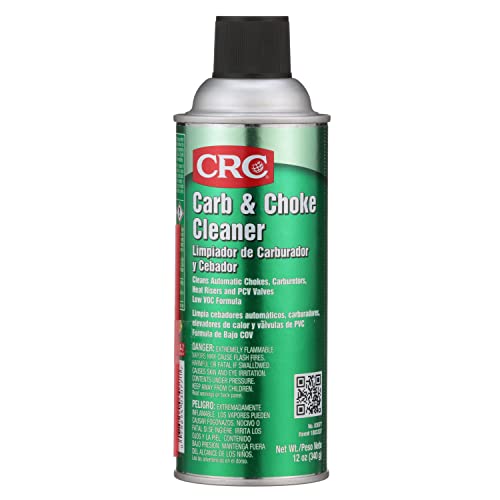
What it is: A high-performance, fast-acting cleaner designed to remove sludge, gum, and varnish from carburetors. Best for: engines where quick restoration of carb function is needed, with attention to fuel economy. Why chosen: It emphasizes low VOC and fuel-system efficiency improvements. Caution: As with any chemical cleaner, avoid contact with skin and eyes; use protective gear as needed.
CRC Clean-R-Carb Carburetor Cleaner 1X16OZ

What it is: A 16-ounce cleaner designed to improve fuel system performance and prevent issues with auto chokes, carburetor linkage, and PVC systems while remaining harmless to catalytic converters and oxygen sensors. Best for: outboards with older choke systems or where fuel-air mixture issues are suspected. Why chosen: It’s noted to be safe for downstream emissions components while still addressing varnish and gum buildup. Caution: Not all marine-specific claims are explicit; verify compatibility with your exact outboard model.
Buying Guide: Key Considerations For 2 Stroke Outboard Carb Cleaners
- Engine type and carb design: Choose cleaners labeled for small engines and marine use if possible. Some products emphasize marine applications and can be gentler on outboard carburetors.
- Deposit type and cleaning power: For varnish, gum, and varnish buildup, prefer formulations advertised to dissolve varnish and gum efficiently. Deep-clean kits with extra tools help access small jets.
- Spray vs. bulk can: For seasonal maintenance and tight engine bays, spray formulations are convenient. For multiple engines or frequent maintenance, packs or kits may provide better value.
- VOC and environmental compliance: Look for low-VOC or VOC-compliant formulations to meet local regulations and reduce environmental impact.
- Safety and handling: Always use in well-ventilated areas, away from flames, and wear eye protection and gloves. Old or cracked carburetors may react differently to cleaners.
- Tools and accessibility: If your carburetor jets are hard to reach, consider a cleaning kit with brushes, needles, and scrapers to reach tight passages without disassembly.
- Compatibility with catalytic converters and sensors: Some cleaners claim compatibility with downstream sensors; ensure the product suits your engine’s exhaust setup if relevant.
Frequently Asked Questions
- Are these cleaners safe for 2-stroke outboard engines?
Yes, many products are formulated for small engines and marine use. Always check the listing for explicit compatibility with outboard carburetors and follow safety guidance.
- What’s the difference between spray cleaners and cleaning kits?
Sprays quickly target deposits on external surfaces and in accessible areas, while cleaning kits include tools to reach tight passages and deeper varnish buildup.
- Should I use a low-VOC formula for marine use?
Low-VOC formulations are generally preferred to minimize emissions and comply with environmental regulations in many regions.
- Can these cleaners fix hard starting by themselves?
They can help restore smooth operation by removing deposits, but persistent starting issues may require additional maintenance or professional service.
- Is it safe to mix cleaner usage with other fuel system additives?
Avoid mixing cleaners with other additives unless the manufacturer explicitly allows it, as chemical interactions can cause damage.
- Do cleaners affect catalytic converters or oxygen sensors?
Most cleaners designed for carburetors are formulated to be safe for sensors, but always confirm specific product claims if you have sensors downstream.