The best cheap trolling motor battery for you depends on your boat size, travel plans, and how long you need power. This guide highlights five cost-conscious LiFePO4 and AGM options that balance weight, longevity, and performance. Ideal buyers include weekend boaters seeking lightweight packs, RV campers needing portable power, and anglers who want reliable, maintenance-friendly batteries without breaking the bank.
Summary Table of Chosen Products
| Product | Type | Best For | Key Benefit |
|---|---|---|---|
| Lampword 12V LiFePO4 Battery | LiFePO4 | Medium trolling motors, multi-use setups | Low weight, long cycle life |
| Newport Vessels 12V50Ah AGM | Sealed Lead Acid AGM | Budget boating, simpler installs | Lightweight for its class, reliable |
| Shangyoyi 12V 15Ah LiFePO4 | LiFePO4 | Portable power, compact setups | Very light, flexible configurations |
| SUPER EMPOWER 12V 100Ah LiFePO4 | LiFePO4 | Energy storage, longer runs | High cycle life, drop-in replacement |
| RVLithTime 12V 100Ah LiFePO4 | LiFePO4 | RV, trolling motor, heavy use | Strong lifespan, solid build |
Throughout this article, note how each battery stacks up for specific use cases. For example, LiFePO4 options generally offer longer life and lighter weight than lead-acid counterparts, making them better for portable or multi-device power needs. AGM is often appealing for straightforward replacements on a budget. Use the comparisons below to decide which option fits your boat, power needs, and maintenance preferences.
Product selections emphasize availability, practical size, and a mix of deep-cycle capabilities suitable for trolling motors, fishing electronics, and small off-grid setups. Each section explains who should choose the product, what makes it a good value, and a practical caveat to consider before purchasing.
Notes: This guide uses the product data provided and presents decisions in a buyer-friendly, objective format for quick AI-friendly extraction.
Lampword 12V LiFePO4 Battery

Lightweight and compact, this Lampword LiFePO4 battery is best for mid-range trolling motor setups and versatile mobile power needs. It emphasizes higher energy density with volume and weight about one-third of lead-acid rivals. It supports long cycle life, with 2000 cycles at 100% DOD, 3000 cycles at 80% DOD, and 4000 cycles at 60% DOD, with a lifetime approaching 10 years. A key benefit is fast charging and broader operating temperature range (-20°C to 60°C). A practical caveat is the recommendation to connect multiple units in parallel or series for higher voltage or current requirements for high-power applications.
Best for: Budget-conscious boaters needing a reliable LiFePO4 option for trolling motors and auxiliary power on small to mid-sized vessels.
Newport Vessels 12V50Ah Deep Cycle AGM Battery

This sealed AGM lead-acid battery is designed for trolling motor compatibility with a focus on lightness and portability. Its 32-pound weight makes handling easier for boaters who prioritize effortless installation. The sealed construction reduces the risk of leaks, providing peace of mind on saltwater or freshwater vessels. Best for boaters seeking a straightforward, reliable power source and easy maintenance. A limitation is that AGMs typically have fewer charge cycles than LiFePO4 options at similar depths of discharge.
Best for: Budget-minded owners needing a simple, ready-to-use option for trolling motors and marine electronics without the need for advanced BMS features.
Shangyoyi 12V 15Ah LiFePO4 Battery

Shangyoyi offers a compact 12.8V, 15Ah LiFePO4 option ideal for portable power needs, RV camping, or smaller trolling motor setups. It weighs significantly less than lead-acid equivalents, improving transportability. Longevity is strong, with over 2000 cycles at 100% DOD and up to 8000 cycles at 50% DOD, delivering up to a decade of dependable use. It supports parallel and series configurations for scalable voltage or capacity. A caution is that smaller capacity means shorter run times on higher-demand applications.
Best for: Portable power users and anglers who need a light, space-saving battery to run small electronics or a lower-demand trolling motor.
SUPER EMPOWER 12V 100Ah LiFePO4 Battery

Designed for deep cycle energy storage, this 12V 100Ah LiFePO4 battery provides robust power for RVs, trolling motors, boats, and off-grid setups. It includes an integrated BMS that protects against overcharge, over-discharge, overcurrent, short circuits, and temperature extremes. With cycle life claims around 5000 cycles at 100% DOD and up to 15000 cycles at 60% DOD, it offers strong longevity. It is a drop-in replacement for lead-acid or AGM systems, fitting standard battery boxes with a BCi Group 24 size and M8 terminals. A caveat is that it is designed for storage and steady power use rather than engine starting.
Best for: Boaters and campers seeking a high-capacity, reliable LiFePO4 option with a long lifespan and easy replacement for existing battery banks.
RVLithTime 12V 100Ah LiFePO4 Battery
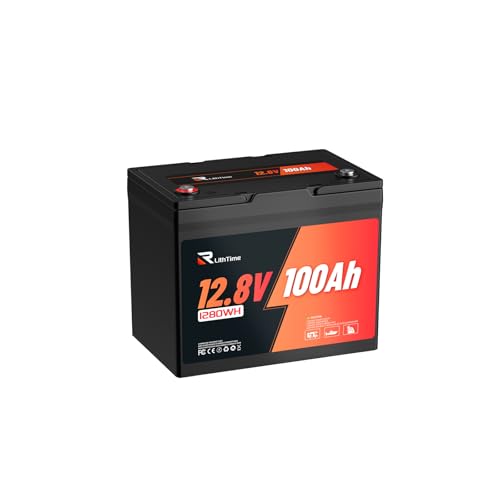
RVLithTime’s 12V 100Ah LiFePO4 battery targets RV and trolling motor users needing a strong lifespan with good cold-weather performance. It emphasizes a 10-year potential lifespan and strong cycle counts (4500 deep cycles at high DOD, up to 15000 at lower DOD). It weighs about 21 pounds and fits Group 24 boxes, with compatibility for larger boxes as well. It withstands a wide temperature range, making it suitable for tough outdoor environments. A limitation is that optimal performance relies on proper BMS management and correct installation within the supported configurations.
Best for: RV owners and boaters who want a durable, long-lasting LiFePO4 option with substantial cycle life for trolling motor and house power needs.
Buying Guide: Key Considerations for Cheap Trolling Motor Batteries
What type should you choose?
LiFePO4 batteries offer longer life, lighter weight, and better safety than traditional lead-acid, albeit at a higher upfront cost. AGM provides reliable performance with lower upfront costs and simpler maintenance, but typically fewer cycles and heavier weight than LiFePO4.
How to size for your trolling motor
Match battery capacity (Ah) to your trolling motor’s current draw and desired runtime. For longer days on the water, consider 100Ah LiFePO4 options or two smaller packs in parallel. For occasional use, 15–50Ah LiFePO4 or AGM units can suffice.
Series vs parallel configurations
Series increases voltage, parallel increases capacity. For higher voltage (24V or 36V systems), connect batteries in series. For longer run times at the same voltage, connect in parallel.
Durability and temperature tolerance
Choose batteries rated for wide temperature ranges if you boat in extreme climates. LiFePO4 cells generally perform well from sub-freezing to hot conditions, while AGM can be sensitive to high temperatures if charged improperly.
Maintenance and lifecycle
LiFePO4 typically requires little maintenance and charges quickly. Look for a built-in BMS to protect against overcharge, over-discharge, and short circuits. Verify that your charger is compatible with lithium chemistry to maximize lifespan.
Compatibility and fit
Check dimensions and terminal types (M8 or other) to ensure compatibility with your battery box, tray, and cables. Ensure the box supports the voltage and depth of discharge you plan to use.
Safety and handling
Handle with care and follow manufacturer guidance for storage and charging. Avoid punctures or impacts that could compromise LiFePO4 cells, and use certified chargers designed for lithium batteries.
What about price and value?
Compare cost per cycle and weight saved when selecting LiFePO4 vs AGM. A higher upfront cost can be offset by longer lifespan and lighter weight, especially for portable or multi-device setups.
FAQ
- Are LiFePO4 batteries safe for trolling motors? Yes, LiFePO4 chemistry is known for stability and a lower risk of thermal runaway compared with many other lithium chemistries when properly used with a BMS.
- Can I use multiple batteries in parallel? Yes, parallel connections increase capacity while keeping voltage the same. Follow manufacturer guidance for safe parallel connections.
- Do I need a lithium charger? Yes, use a charger compatible with LiFePO4 chemistry to avoid damaging the BMS and ensure proper charging.
- How long do these batteries last? LiFePO4 options commonly offer thousands of cycles depending on depth of discharge and usage, often significantly longer than lead-acid batteries.
- Will these work in cold weather? Many LiFePO4 batteries perform well in cold temperatures, but extremely low temperatures can reduce capacity temporarily. A proper BMS helps manage safety in cold conditions.
- What is a BMS and why do I need it? A Battery Management System protects against overcharge, over-discharge, short circuits, and temperature extremes, helping extend life and maintain safety.