Diesel cookers for boats deliver reliable, efficient cooking and heating where space is limited and reliability matters. This guide highlights five top options that balance portability, fuel flexibility, and heat output. Best for boaters who need compact, fuel-flexible stoves or heaters that work with diesel and similar fuels without sacrificing performance.
| Product | Fuel Type | Best For | Why It Stands Out |
|---|---|---|---|
| Versatile Portable Kerosene Stove (8-Wick) | Kerosene, Diesel | Backpackers and small craft owners | Eight-hole design for fast boils; lightweight |
| IIPOSAQQ 8KW Diesel Parking Heater | Diesel | Overnight warmth on boats and RVs | Integrated fuel system with LCD/remote control |
| 16-Wick Portable Kerosene Stove (Green2) | Kerosene, Diesel | Family boating trips and emergencies | 16-hole design; wind-resistant; long burn time |
| 16-Wick Portable Kerosene Stove (Green) | Kerosene, Diesel | Compact boats and emergency kits | Similar high efficiency with compact build |
| IIPOSAQQ 5KW Diesel Parking Heater | Diesel | Mid-size boats needing quick cabin warmth | LCD and remote control; robust protection |
Versatile Portable Kerosene Stove — 8-Wick
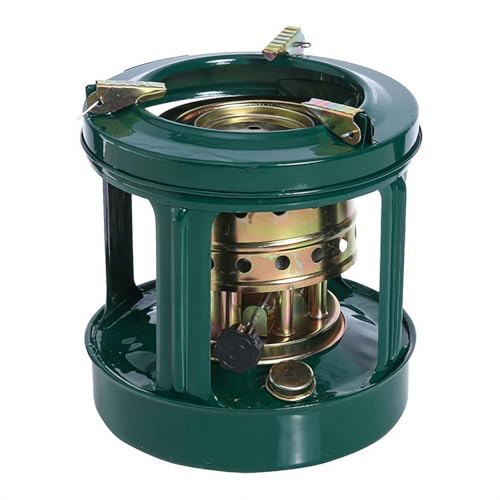
Best for boaters needing a lightweight, multi-fuel option. This stove supports kerosene and diesel, avoiding gasoline. It boils water quickly (7–8 minutes) and weighs about 0.75 kg, fitting easily into a boat galley or grab-and-go kit. Its eight-hole design ensures steady heat for cooking or boiling on deck or in a cabin. A potential limitation is fuel availability; diesel is preferred, but users must confirm local fuel compatibility with onboard systems.
IIPOSAQQ 8KW Diesel Parking Heater

This diesel parking heater is designed for versatile setups on boats, RVs, and trucks. It comes with a full installation kit and an LCD remote for convenient operation. It can heat the interior quickly, with protection against overheating and operation at altitudes up to 3500 meters. Best for boaters who want cabin warmth during cold passages or overnight stays. A note: installation complexity varies with vessel layout; professional installation is often recommended for optimal integration.
16-Wick Portable Kerosene Stove (Green2)

Best for boaters needing robust wind resistance and longer burn times. The 16-hole design yields reliable heating for cooking and boiling, with fuel flexibility to use kerosene or diesel (not gasoline). The fuel tank is around 700ml, supporting roughly 4–6 hours of continuous use. Choose this if you prioritize consistent heat in breezy conditions; note that diesel compatibility varies by fuel availability on your route.
16-Wick Portable Kerosene Stove (Green)

Best for compact boats needing efficient emergency cooking. It features a 16-hole design, wind shields, and multi-fuel capability (kerosene and diesel). The stove weighs around 0.7–0.75 kg, making it easy to store on deck or in a cabin locker. A potential limitation is fuel availability and the need to manage fuel types to avoid gasoline misuse on a diesel-preferred system.
IIPOSAQQ 5KW Diesel Parking Heater (12/24V)

Best for mid-size boats needing rapid interior warming. This 5KW diesel heater includes a built-in LCD switch and remote control for convenient control from the cabin. It is designed to function at typical altitudes and includes protective features to prevent overheating. Choose this if you want reliable, compact heat on modest boat layouts; note that smaller cabins may limit air distribution effectiveness in very large boats.
IIPOSAQQ Air Heater for Boats (5KW, 12V)

Best for boaters who want a compact, dockside-friendly heating option with a remote and LCD monitor. This diesel parking heater uses a full installation approach and includes a remote for temperature control. It can be installed in various onboard spaces, including the passenger area or under containers. A caveat is ensuring proper ventilation and clearance around the exhaust in marine spaces.
Buying Guide: Key Considerations For Diesel Cookers On Boats
- Fuel compatibility: Look for multi-fuel options that support diesel and kerosene to maximize fuel choices while at sea or in remote harbors.
- Portability and space: Choose compact stoves or heaters that fit the boat’s galley or cabin without hindering movement.
- Heat output and efficiency: Higher BTU or wattage matters for faster cooking and cabin warming, especially in cold weather.
- Installation and safety: Diesel heaters require proper venting, fuel lines, and electrical connections. Ensure installation follows marine safety guidelines.
- Control and convenience: LCD displays and remote controls simplify operation in moving conditions and may improve energy management.
- Burn time and fuel capacity: Consider fuel tank size and burn duration to plan for longer passages or overnight stays.
- Durability and materials: Wind resistance, corrosion resistance, and sturdy construction are important for marine environments.
- Maintenance: Check for easy access to fuel components and components that are simple to service at sea.
Frequently Asked Questions
- Can I use diesel in a kerosene stove on a boat?
Many stoves advertise diesel compatibility along with kerosene. Always verify the manufacturer’s fuel recommendations and use the appropriate fuel type to avoid performance issues.
- Are diesel heaters safe for enclosed boat cabins?
Yes, when properly vented and installed. Surrounding spaces should have adequate ventilation to prevent buildup of exhaust gases.
- What size heater is best for a small boat?
A compact 5KW–8KW heater or a multi-wick stove with good wind resistance is typically suitable for smaller vessels and cabins.
- What maintenance do these devices require?
Regular inspection of fuel lines, exhaust venting, and ignition components is recommended. Follow the manufacturer’s maintenance schedule.
- Can these stoves be used for outdoor cooking on a boat deck?
Yes, many are designed for portable use outdoors, but ensure wind and safety conditions are favorable to avoid accidents or fuel spills.
- What’s the advantage of a multi-fuel stove?
Having options like kerosene and diesel increases fuel flexibility, especially during long passages or in remote harbors without ready access to specific fuels.