When choosing an electric fuel pump for a boat, look for low-pressure pumps designed for carbureted engines, with clear installation kits and compatibility for 12V systems. This guide highlights five models well-suited for boat use, from compact inline pumps to complete installation kits. The best picks are for anglers, weekend cruisers, or small workboats needing steady fuel delivery without vapor lock. The following product overview compares suitability, installation ease, and potential limitations so you can select the right pump for your marine setup.
Summary of selected products
| Product | Best For | Key spec (PSI / GPH) | Includes |
|---|---|---|---|
| CarBole 12v Universal Electric Fuel Pump | Budget-friendly carburetor boats | 5-9 PSI / 30 GPH | Mounting hardware, wiring set |
| ENGINEMAN Electric Fuel Pump HEP-02A | Boats needing complete kit | 3-6 PSI / 30 GPH | Filters, screws, wire, clamps |
| JDMSPEED Universal Electric Fuel Pump Kit | All-around DIY installs | 3-6 PSI | Fuel line, hardware |
| ENGINEMAN Micro Electric Pump | Compact spaces, boats with tight bays | 4-7 PSI / 35 GPH | Mounting bracket, filter, hoses |
| SOLLON 12V Low-Pressure Pump | Budget and reliability mix | 2.5-4 PSI / 30 GPH | Inline design, valve, fitment |
CarBole 12v Universal Electric Fuel Pump (E8012S / 30 GPH)

Best for budget-conscious boaters who need a straightforward transfer pump. This 12V unit delivers 5-9 PSI and up to 30 GPH, with 5/16″ fittings for quick integration into carbureted systems. It is suitable for gasoline and diesel applications and emphasizes suction strength for stable fuel feeding. The kit requires a filter before operation, and users should avoid E85 or watery liquids. A simple 2-wire setup supports easy installation in smaller engine bays.
Who it’s best for: casual anglers or small boats where a compact, affordable transfer pump is adequate. Why selected: affordable, simple inline design, and adequate flow for low-to-moderate-demand carbureted engines. Caution: avoid use with alcohol-based fuels or ethanol blends; ensure a fuel filter is installed before first operation.
ENGINEMAN HEP-02A 12V Electric Fuel Pump Kit
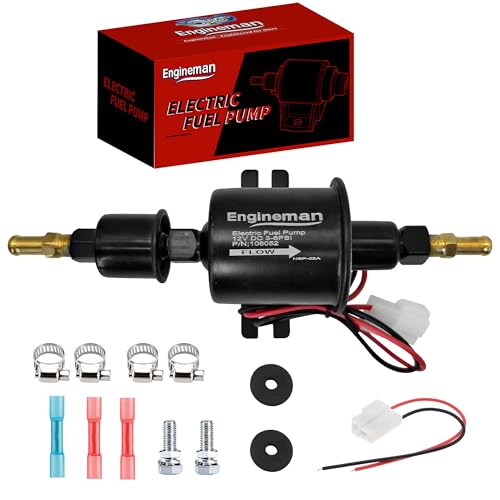
Best for boat owners who want a full installation package. The HEP-02A kit provides a 12V pump with a 3-6 PSI output and up to 30 GPH, plus an assortment of accessories like filters, mounting screws, wiring, and heat-shrink connectors. This pump is versatile for carburetors, ATVs, generators, and marine use. Built-in check valves help prevent backflow. Choose this if you want a ready-to-install kit and dependable fuel delivery in a single package.
Who it’s best for: boat operators seeking a complete installation solution with mounting hardware. Why selected: comprehensive kit reduces setup time and supports reliable, stable fuel flow. Caution: verify compatibility with your specific tank layout and ensure correct hose routing to avoid fittings strain.
JDMSPEED Universal Electric Fuel Pump Kit

Best for DIY boat projects needing a complete low-pressure solution. This 12V pump delivers 3-6 PSI with up to 30 GPH, designed for carburetors and both gasoline and diesel engines. The kit typically includes a socket wire, hose, and mounting hardware to simplify installation. Suitable for boats, lawn equipment, and generators that require a compact inline pump. Choose this if you want an economical, straightforward setup.
Who it’s best for: do-it-yourself installers on limited budgets. Why selected: reliable low-pressure performance with a useful kit for quick mounting. Caution: confirm hose compatibility and ensure a clean fuel path to prevent clogging from debris.
ENGINEMAN Micro Electric Pump (Boat/Carburetor)
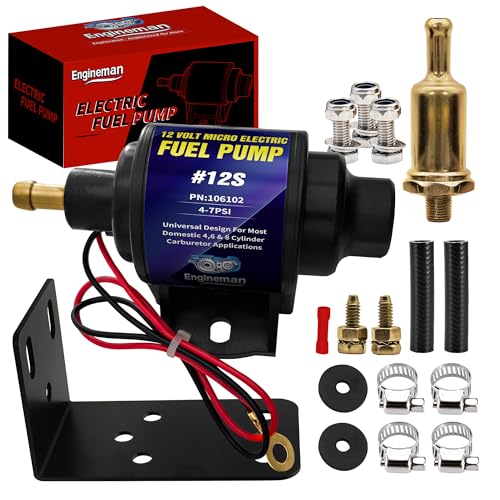
Best for tight engine bays where space is at a premium. This compact 12V pump produces 4-7 PSI and about 35 GPH, making it suitable for small boats, lawn equipment, and carbureted engines. It includes a mounting bracket, fuel filter, and 5/16″ hoses, with a 12V two-wire design for quick DIY installation. The unit supports reliable starts and steady delivery in constrained spaces.
Who it’s best for: operators needing a small-footprint pump with solid flow. Why selected: higher performance for a compact form factor, with an installation kit that eases mounting. Caution: ensure near-tank mounting does not overheat in hot engine compartments; check wire routing to avoid pinching.
CarBole Gasoline Inline Pump 28 GPH
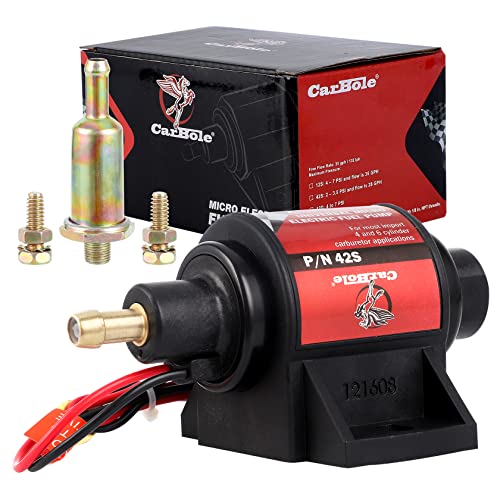
Best for simple, reliable fuel transfer on a budget. This 12V inline pump delivers 2-3.5 PSI and 28 GPH with 5/16″ inlet/outlet. The design emphasizes stable suction and 2-wire operation, making it a straightforward choice for boats needing a basic fuel transfer solution. Suitable for cars, boats, and generators that require predictable priming.
Who it’s best for: price-conscious buyers needing a basic inline option. Why selected: dependable low-pressure performance with easy wiring. Caution: performance can vary with fuel quality; use a compatible filter to avoid clogging in marine environments.
ENGINEMAN Inline Pump 2.5-4.5 PSI

Best for boats requiring a robust, widely compatible inline pump. This 12V device outputs 2.5-4.5 PSI with 25-30 GPH and boasts a built-in backflow-preventing check valve. It’s designed for carburetor engines across trucks, boats, and generators. The pump is built from durable materials and supports a longer service life in marine environments. Suitable as a booster, standby, or standalone pump.
Who it’s best for: operators needing broad compatibility and reliable low-pressure performance. Why selected: strong flow control, backflow prevention, and a durable build. Caution: verify electrical load and wiring to ensure compatibility with your boat’s electrical system.
Buying Guide: Key Considerations For Marine Electric Fuel Pumps
- Fuel type compatibility: Most marine pumps handle gasoline and diesel. Exclude alcohol-based fuels if not specified.
- Pressure and flow: For carbureted engines, aim for 2-7 PSI and 25-35 GPH depending on engine demand and tank setup.
- Installation kit: Consider pumps that include filters, clamps, hoses, mounting hardware, and wiring for DIY installation.
- Durability: Look for copper or corrosion-resistant components and backflow prevention to protect engine performance.
- Space and fit: Marine installations vary in engine bay space. Compact pumps with mounting options work best in tight areas.
- Safety and maintenance: Ensure filters are accessible, and that you follow a proper filtration plan to avoid debris reaching the carburetor.
FAQ
- Q: Can I use these pumps with E85 ethanol fuel? A: Most models listed here are not designed for ethanol-heavy fuels; check manufacturer notes for each unit.
- Q: Do these pumps require a filter? A: Many kits recommend a filter before the pump to prevent clogging and reduce debris risk.
- Q: Is a complete kit necessary for installation? A: For beginners, a kit with mounting hardware and wiring simplifies DIY installation; otherwise, you can source parts separately.
- Q: How do I know if a pump is suitable for my boat’s engine? A: Match the pump’s output pressure and GPH to your carburetor’s requirements and ensure 12V compatibility with your boat’s electrical system.
- Q: What maintenance is needed for marine fuel pumps? A: Regularly inspect hoses, clamps, and filters, and replace any worn components to prevent leaks and ensure stable fuel flow.
- Q: Can I mount the pump near the fuel tank? A: Yes, many pumps are designed for placement within 12 inches of the tank, which helps prime and reduces vapor lock risk.