Answering your search for reliable, electric outboard motors for dinghies: this guide highlights five suitable options, focusing on saltwater-capable models with compact power for small boats. The top picks are best for casual anglers, weekend explorers, and DIY dinghy enthusiasts who want quiet propulsion, easy maintenance, and practical run times. Each option includes who it’s best for, why it stands out, and a practical caveat to consider before you buy. A quick comparison table follows to help you decide at a glance.
Buying quickly? Use this at-a-glance table to compare the five selected electric outboard motors for your dinghy.
| Product | Best For | Key Benefit | Potential Limitation |
|---|---|---|---|
| Newport NV-Series 36lb | Light dinghies, kayaks, inflatables | Low-weight, efficient 36lb thrust | Lower thrust for larger boats |
| Newport NT300 Electric Outboard | Extended trips, versatile water conditions | High efficiency with 66-mile range per charge | Higher power and cost may be overkill for tiny crafts |
| Newport NV-Series 62lb | Larger dinghies and heavier loads | High thrust for challenging conditions | Heftier and more expensive |
| Newport NV-Series 55lb | Balanced power for mid-sized boats | Efficient with multiple speed/adjustment options | Moderate weight; consider mounting fit |
| Minn Kota Endura C2 40lb | Freshwater and mixed-use dinghies | Durable, reliable prop design for vegetation | Freshwater emphasis may require care in saltwater |
Newport NV-Series 36lb Thrust Trolling Motor

Best for light boats, this saltwater-capable trolling motor delivers 36lb thrust with 12V or 24V operation. Its lightweight design supports portability for kayaks, canoes, and small dinghies. The two-blade propeller is optimized for battery life, providing steady propulsion for calm to moderate conditions. The model also targets corrosion resistance for use in real marine environments.
Who it’s best for: buyers needing a compact, easy-to-carry solution for small craft who prioritize quiet, efficient operation. Why selected: it balances weight and performance, making it a practical entry point for electric dinghy propulsion. Caution: thrust may feel light on larger wakes or windy days.
Newport NT300 Electric Outboard Motor

Designed for saltwater and freshwater use, the NT300 offers higher power and range with 3HP-equivalent performance. It includes a digital throttle with LCD display, a 24.6″ shaft, and a 9.8″ two-blade propeller. Trim/tilt and field-oriented control contribute to smooth operation in varied water conditions. Top speed reaches about 6.5 MPH with a potential range up to 66 miles on a single charge.
Who it’s best for: anglers and boaters who plan longer trips or variable-water adventures and want a quiet, efficient motor with modern controls. Why selected: the NT300’s advanced controls and longer range justify its higher power level. Caution: higher power requires suitable battery capacity and careful handling in tight spaces.
Newport NV-Series 62lb Thrust
For bigger boats and heavier loads, this high-thrust 62lb model supports challenging conditions, including wind and current. It carries saltwater capability and a robust propulsion solution with a three-blade propeller for stronger push. Battery indicators help monitor power for longer trips, making it suitable for serious dinghy anglers or small workboats.
Who it’s best for: boaters needing more thrust to maintain speed in difficult conditions. Why selected: higher thrust translates into more reliable control when heavier gear or water conditions require it. Caution: heavier unit may require reinforced mounting and battery planning.
Newport NV-Series 55lb Thrust
This 55lb model aims for efficient performance with a 30″ shaft, LED battery meter, and a 3-blade prop. It offers eight speeds (five forward, three reverse) and adjustable mount angles. It’s designed to avoid overheating and maintain quiet operation for all-day trolling on mid-sized boats.
Who it’s best for: boaters who want a balanced mix of power and efficiency. Why selected: the combination of power, shaft length, and practical controls fits a broad range of dinghy setups. Caution: performance depends on boat weight and water conditions; plan accordingly.
Minn Kota Endura C2 40lb
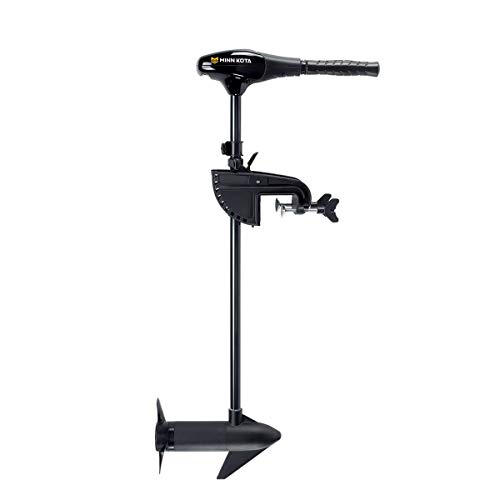
This model features a 40lb thrust, 36″ shaft, and freshwater use emphasis. Highlights include a telescoping tiller for easy control, a push-to-test battery meter, and a 3-blade prop for better low-end torque. The reinforced composite construction resists UV damage and flexing, offering durable performance for long sessions on calm waters or inland lakes.
Who it’s best for: freshwater dinghy users seeking a dependable, mid-thrust option with straightforward setup. Why selected: reliable construction and user-friendly controls make it a solid entry in the 40lb class. Caution: performance may vary in saltwater without appropriate care or coating.
Buying Guide: How To Choose An Electric Outboard For Your Dinghy
What boat size and weight should guide your choice?
Smaller dinghies benefit from lower-thrust motors that maximize battery life and ease of handling. Larger dinghies or heavier loads require higher thrust to maintain speed and control, especially in wind or current. Match the motor’s thrust to your boat’s displacement and intended use.
Which features matter most for dinghies?
- Shaft length: A longer shaft improves prop depth and reduces cavitation in rough water. Typical sails range from around 30″ to 36″.
- Propeller: A 3-blade design provides better thrust and grip in light vegetation, while a two-blade propeller is lighter and often more efficient on calm water.
- Battery indicators: A built-in meter helps you plan charges and avoid stalling mid-trip.
- Tilting and trimming: Adjustable tilt/trim helps optimize efficiency and boat handling across water conditions.
Saltwater vs. freshwater considerations
Saltwater motors generally offer better corrosion resistance and seal protection. If you operate primarily in saltwater, prioritize models explicitly described as saltwater-capable or designed for harsh conditions.
What about runtime and range?
Runtime depends on battery capacity, motor thrust, boat weight, and water conditions. Motors with higher thrust often consume more power; balance desired speed with expected range for your trips.
Installation and maintenance tips
- Check mounting hardware compatibility with your transom or mounting surface.
- Inspect electrical connections and corrosion resistance regularly.
- Store batteries and chargers properly when not in use to prolong life.
Safety considerations
Always follow manufacturer guidelines for throttle operation, trim angles, and shut-off procedures. Use a properly fitted life jacket and be mindful of propeller hazards in shallow or crowded waters.
FAQ
- What is the best electric outboard for a small dinghy?
- Which motor offers the longest range on a single charge?
- Are saltwater motors worth it for mixed waters?
- Is higher thrust always better for a dinghy?
- Do these motors require special maintenance?
- Can I use a freshwater motor in saltwater?
For very light craft, the Newport NV-Series 36lb is a compact choice focused on efficiency and portability.
The Newport NT300 advertises extended range with significant thrust and digital controls, suitable for longer trips.
Yes, saltwater-rated motors provide better corrosion resistance and durability for coastal use.
Not always. Higher thrust helps in wind and current but consumes more battery; match to boat size and typical conditions.
Regular inspection of prop and battery connections, plus protection from salt exposure, helps extend life.
Some models are designed for both, but check the manufacturer’s saltwater suitability and follow care guidelines to prevent corrosion.