If you’re outfitting a pontoon for fishing, cruising, or slow-speed exploration, an electric trolling motor can deliver quiet, reliable propulsion with minimal weight and maintenance. This guide highlights five top choices and explains who they’re best for. Each option balances thrust, shaft length, and control features to help you match your boat size, water conditions, and battery strategy.
Summary of featured products:
| Product | Thrust | Shaft | Ideal For | Notes |
|---|---|---|---|---|
| Newport NV-Series 55lb (23M1000203) | 55 lb | 30″ | Medium-sized pontoons, saltwater use | LED battery meter; adjustable mount |
| Minn Kota Pontoon Bow-Mount 55 Lb (PowerDrive) | 55 lb | 48″ | Pontoon boats needing bow control | Deploy-Assist lever; quick release |
| Newport L-Series 86lb (40″ Shaft) | 86 lb | 40″ | Larger pontoons, saltwater cruising | High thrust, long shaft, dual controls |
| Minn Kota Endura C2 30 Lb | 30 lb | 30″ | Small boats, kayaks, light setups | Powerful for vegetation; durable |
| Newport NT300 Electric Outboard (3HP) | 110 lb thrust-equivalent | 24.6″ | Extended trips, both saltwater and freshwater | Digital throttle; long range |
Newport NV-Series 55lb Saltwater Trolling Motor

The Newport NV-Series 55lb transom-mounted trolling motor is designed for steady, low-noise propulsion on mid-sized boats. With a 30″ shaft and a 5-LED battery meter, it helps you monitor battery life while maintaining control in variable conditions. Eight speeds (5 forward, 3 reverse) provide a broad range of trolling options, and the 3-blade propeller offers strong low-end torque for smooth starts. Best for saltwater applications or mixed-use ponds where reliable, quiet power is essential.
Who it’s best for: boaters needing dependable saltwater performance on mid-sized pontoons, with easy-to-read battery status and adjustable mounting. Why selected: balanced thrust-to-weight ratio, straightforward controls, and adjustable mount for diverse rigging.
Caution: Top speed is about 4 mph and depends on boat shape, weight, water, and wind conditions; plan your planing and drift accordingly.
Minn Kota Pontoon Bow-Mount 55 Lb — PowerDrive

This bow-mount 55 lb thrust motor pairs with a PowerDrive foot pedal and a 48″ shaft, making it a strong choice for pontoon operators who want precise steering near the bow. Features include a Deploy-Assist lever for quick immersion and an Aluminum Quick Release Bracket for fast removal and secure locking during operation. Best for: pontoons that require hands-on steering at the bow and easy stow-and-go setup. Why selected: efficient deployment and secure locking improve on-water convenience. Caution: Foot pedal length may not be included on GPS-enabled variants; verify cord length if you need extended reach.
Newport L-Series 86lb Saltwater Tiller Motor

With 86 lb of thrust and a 40″ shaft, this Newport L-Series model is built for larger pontoons and tougher conditions. It features a 5-LED battery meter, a 6″ telescoping tiller handle, and a three-blade propeller for solid low-end torque. Eight speed settings (5 forward, 3 reverse) offer flexible trolling, while the ballast of a rugged saltwater build helps resist corrosion. Best for: larger boats facing tougher currents or windy days. Why selected: higher thrust supports longer runs and heavier loads. Caution: 40″ shaft length may not fit all transoms; measure clearance before purchase.
Minn Kota Endura C2 30 Lb — Lightweight Power
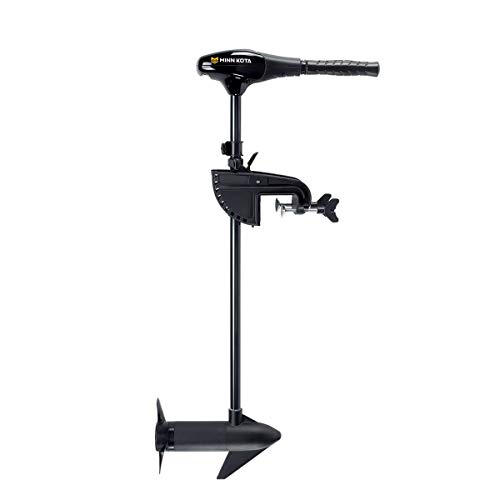
The Endura C2 30 Lb model is a compact option for small craft like kayaks and light pontoons. It offers a 30″ shaft, telescoping tiller, a push-to-test battery meter, and a 10-position lever-lock bracket for quick angle adjustments. The reinforced composite construction resists warping and UV damage for longer durability in marine environments. Best for: ultra-light setups or budget-conscious sailors. Why selected: portability and sufficient power for small watercraft. Caution: 30 Lb thrust may be insufficient for larger or heavier rigs in windy or choppy water.
Newport NT300 Electric Outboard — 3HP 110lb Thrust

The NT300 is a modern electric outboard that delivers approximately 110 lb of thrust in a 36V system, making it suitable for longer runs and larger boats that require robust propulsion. It features a digital LCD throttle, a 24.6″ shaft, and a 9.8″ 2-blade propeller. Field-oriented control and multiple tilt/trim angles help adapt to varying water conditions. Best for: extended trips and boats that need stronger, quiet propulsion. Why selected: high thrust and extended range for demanding outings. Caution: 36V systems require compatible batteries and charging solutions to maximize range.
Buying Guide: Key Considerations for Electric Pontoon Motors
- Boat size and weight: Choose higher thrust and longer shaft lengths for larger pontoons and choppier waters to prevent cavitation and ensure control.
- Saltwater vs. freshwater: Saltwater models use corrosion-resistant materials; if you sail in both, look for universal or hybrid designs with adequate protection.
- Motor mounting: Transom vs. bow-mount affects steering dynamics. Bow-mount is preferred for hands-on steering near the bow; transom-mount generally offers easier installation on midsection of the boat.
- Battery life and monitoring: LED battery meters help manage runtime. Consider motors with energy-efficient props to extend battery life on longer trips.
- Control method: Tiller handles and foot pedals vary in ergonomics. Opt for models with ergonomic tiller length and reliable foot pedal connectivity if hands-free control is essential.
- Propeller design: A 3-blade propeller provides robust low-end torque; a two-blade prop is lighter and often more efficient for smaller boats.
- Maintenance and durability: Look for reinforced housings and UV-resistant components for marine environments. Regular inspection of docking hardware and connectors helps prevent corrosion.
- Installation and compatibility: Check shaft length, mounting hardware, and compatibility with your boat transom shape and deck height before purchase.
FAQ
- What thrust is best for a typical pontoon? — For standard mid-size pontoons, 55–86 lb thrust is a common and versatile range, offering good control in moderate conditions without overburdening battery use.
- Is a longer shaft always better? — A longer shaft (like 40″) helps prevent prop cavitation in deeper transoms and rough water but may not fit smaller transoms; measure clearance first.
- Do I need a trolling motor with saltwater capability if I boat in freshwater only? — It’s beneficial to choose corrosion-resistant components if you expect occasional exposure to salt or humid air, but freshwater-only use reduces the risk of corrosion.
- How important is a battery indicator? — A battery meter helps prevent sudden power loss and lets you plan recharges during long trips.
- Can I use a higher-thrust motor on a small pontoon? — Yes, but it can increase battery consumption and weight; ensure your boat and batteries can handle the added load and that mounting hardware fits.
- Are digital throttle and tilt/trim features worth it? — Digital throttles and adjustable tilt/trim angles improve responsiveness and comfort, especially on longer trips or in variable water conditions.