When selecting an emergency beacon for boating, you want reliable, Coast Guard–approved signals that work in daylight and at night. This guide highlights top options for boaters, including personal locator beacons (PLBs) and electronic distress signals. It explains who each device is best for, and why certain features matter on the water. The picks below cover solo anglers, crewed vessels, and those venturing offshore, with concrete reasons to choose one over another.
| Product | Why It Was Chosen | Best For |
|---|---|---|
| Sirius Signal C-1003 SOS LED Distress Signal | USCG approved, long battery life, bright visibility | Boat crews needing a complete, ready-to-use distress signal kit |
| ACR ResQLink 400 | Subscription-free coverage, GPS + homing signals | Solo travelers and small crews seeking GPS-enabled rescue |
| ACR ResQFlare Electronic Distress | Electronic flare with flag; 360° visibility; IP67 waterproof | Boats needing a legal flare replacement with day/night signaling |
| ACR ResQLink View | Buoyant PLB with GPS, no subscription, rugged design | Rugged outdoor adventures where buoyancy and visibility matter |
| Sirius Signal MK-1001 Boating Safety Kit | All-in-one visual, audible, and first aid system; USCG approved | Vessels seeking a comprehensive safety package |
Sirius Signal C-1003 SOS LED Distress Signal
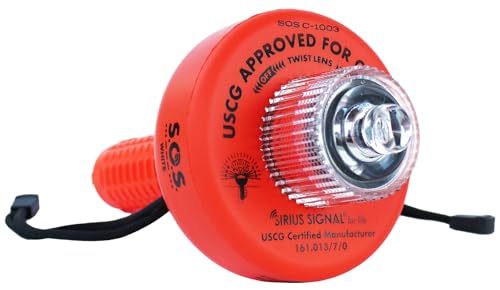
The C-1003 is a Coast Guard approved distress signaling kit designed to replace traditional air or pyrotechnic flares. It fulfills USCG Night, Day, and Audible distress signal requirements, and it can flash an SOS pattern visible up to 10 nautical miles. Batteries are included for immediate use. This option is best for boat crews who want an all-in-one, pre-packaged signal that works across lighting conditions and can be deployed quickly during emergencies.
Best for: Vessels that need a complete, CG-compliant signaling kit that’s simple to operate in urgent situations. Notable limitation: operator familiarity with the device’s timing and activation is still essential for optimal effectiveness.
ACR ResQLink 400 — SOS Personal Locator Beacon

ResQLink 400 combines GPS positioning with 406 MHz distress signaling to alert rescuers with your location. It also includes an infrared strobe for low-light visibility and a bright LED strobe. It requires no ongoing subscription, making it attractive for users who want reliable, ready-to-call-for-help functionality on any outdoor adventure, including boating.
Best for: Solo travelers or small crews who want reliable, subscription-free rescue alerts with GPS data. Caution: While robust, it relies on satellite coverage; operation in dense canyons or heavy canopy may affect GPS transmission.
ACR ResQFlare Electronic Distress E-Flare and Flag
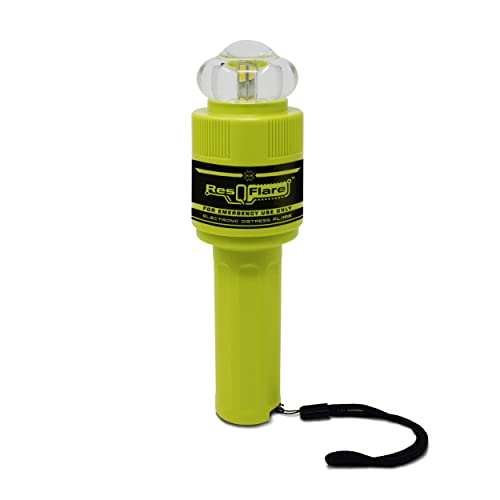
This replacement kit combines the electronic SOS signal with a daytime distress flag. It meets USCG 161.013 and 160.072 standards for nighttime and daytime signaling, respectively. It’s waterproof (IP67) and floats upright, ensuring visibility and signaling reliability if it ends up in water. Best for: Boats needing a compliant, compact electronic alternative to pyrotechnic flares, with clear day and night signaling. Caution: Not a standalone beacon; should be used with appropriate flotation and signaling practices.
ACR ResQLink View — GPS Personal Locator Beacon
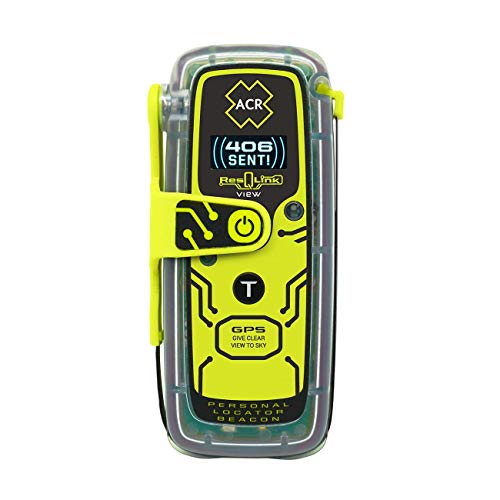
The ResQLink View provides GPS-enabled distress signaling with a buoyant housing and an infrared strobe for nighttime visibility. It supports non-subscription operation and includes belt or clip attachments for secure wear. A notable feature is the ability to send a preloaded, pre-canned message to contacts, useful for coordinating rescue attempts. Best for: Outdoors enthusiasts who want a buoyant PLB with clear GPS data and easy wearability. Limitation: Some advanced features may require optional testing subscriptions for SMS/email capabilities.
Sirius Signal MK-1001 Boating Safety Kit

This kit is an all-in-one safety solution combining visual and audible distress signaling with first aid tools. It includes the USCG authorized C-1003 SOS eVDSD electronic flare and an orange daytime distress flag, exceeding typical visual distress signal requirements. It also provides multiple audible signals to meet Coast Guard standards. Best for: Boats seeking a comprehensive safety package on one purchase. Caution: The kit’s breadth means it’s larger and heavier than single-signal options, which may affect storage on smaller crafts.
Buying Guide: Key Purchase Considerations
- USCG Approval and Compliance: Ensure the beacon or kit meets relevant USCG standards for nighttime, daytime, and audible signals.
- Signal Type: Decide between electronic distress signals, PLBs with GPS, and combined kits. Electronic signals are quick to deploy; PLBs provide precise location data to rescuers.
- Power and Battery Life: Consider battery type, endurance, and the ease of replacing or recharging in the field. Long-lasting devices reduce failure risk on extended trips.
- Durability and Buoyancy: For water activities, buoyant housings and waterproof ratings (IP67 or better) help ensure visibility and reliability even after immersion.
- Visibility Range: Look for high visibility across day and night conditions, including strobe and infrared options for low-light environments.
- Ease of Use: In emergencies, devices should activate quickly and intuitively. Preloaded messages and simple activation sequences can save valuable seconds.
- Portability and Storage: Consider the vessel size and storage space when selecting a compact, all-in-one kit vs. multiple devices.
- Subscription and Fees: Some PLBs require ongoing subscriptions for certain features; others are subscription-free but may offer optional services.
Comparison at a Glance
- Best all-in-one kit: Sirius Signal MK-1001 Boating Safety Kit for a broad safety package.
- Best for GPS-enabled rescue: ACR ResQLink 400 for precise location data without ongoing fees.
- Best replacement for pyrotechnic flares: TEKTITE SOSeFLARE 5 or ACR ResQFlare with flag.
- Best buoyant option: ACR ResQLink View for durability and wearability with GPS.
- Best for day and night signaling: Sirius Signal C-1003 SOS LED Distress Signal.
Frequently Asked Questions
- Do emergency beacons require a subscription to work? Some PLBs offer subscription-free operation, while others may have optional testing or service subscriptions. Check the model specifics.
- What signaling range should I expect from an electronic distress signal? Ranges vary; many beacons provide visibility across several miles, but weather and sea conditions can affect performance.
- Is a separate daytime flag required when using an electronic distress signal? Some kits include a flag for daylight visibility, which can be helpful in broad visibility conditions.
- Can these devices float? Many buoyant models are designed to float upright in water, aiding visibility and signal reliability.
- Why would I choose a PLB over an electronic flare? PLBs generally provide precise GPS data to rescuers, improving search accuracy, while electronic flares offer immediate visual signaling.
- Are all these devices Coast Guard approved? The products listed include Coast Guard–approved signals and kits; always verify the current certification when purchasing.