Answering the core need of boaters: choose reliable, Coast Guard–compliant signaling devices that work in daylight and at night. This guide highlights five top emergency flares and electronic distress signals suited for different vessels and situations. Ideal buyers include coastal cruisers, fishermen, sailboats without pyrotechnic flares, and small- to mid-size vessels needing long-lasting solutions. The selection below emphasizes USCG or SOLAS compliance, longevity, visibility, and ease of use. A quick comparison table is provided to help you decide at a glance.
| Product | Best For | Why It Stands Out |
|---|---|---|
| Sirius Signal C-1003 SOS LED Distress Signal | Families and casual boaters | Coast Guard approved, long-lasting, bright SOS beacon |
| Orion Safety 584 ALERTER | Hardy mariners with regular flare kits | 12-gauge aerials, corrosion-resistant, manual safety |
| ACR ResQFlare E-Flare Kit | Low-maintenance safety kits | Digital and flag signals, IP67 waterproof |
| TEKTITE SOSeFLARE 5 | All-weather coastal boats | USCG & SOLAS compliant, long battery life |
| COASTAL ALERT LAUNCHER KIT | Smaller sailboats and day trips | USCG approved day/night signaling with 12-gauge signals |
Sirius Signal C-1003 SOS LED Distress Signal
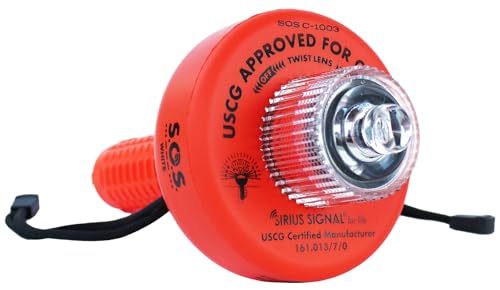
The C-1003 is a complete Coast Guard–approved distress signal kit designed for night, day, and audible signaling. It’s best for family boats or casual cruisers who want a safe, easy-to-use replacement for traditional flares. It’s long-lasting and claims visibility up to 10 nautical miles. This device runs on included batteries and provides a hands-off signaling option when seconds count. Choose this if you prefer a ready-to-use electronic signal with a daylight flag and whistle for comprehensive coverage.
Best for: Boats requiring a simple, Coast Guard–compliant electronic distress signal with audible and daylight signaling. Caution: Relying solely on electronic signals may be less effective in extreme weather if battery access is delayed.
Orion Safety 584 ALERTER

The ALERTER system uses 12-gauge red aerial flares and includes a bandolier for six signals, with corrosion-resistant construction and a hammer safety lock. It’s best for mariners who regularly carry traditional aerial flares and want a rugged launcher with a long warranty. It reaches high altitudes and provides strong brightness, making it suitable for open-water signaling. Include Orion if you prefer a proven, hands-on flare approach and are prepared to manage pyrotechnics with proper storage and handling.
Best for: Skilled boaters who already use 12-gauge flares and need a robust, lifetime-warrantied aerial signaling option. Caution: Pyrotechnic signals require careful handling and storage; ensure compliance with local regulations.
ACR ResQFlare E-Flare Kit
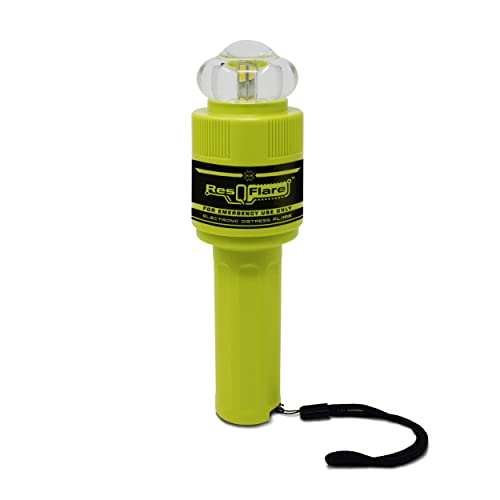
ACR’s ResQFlare kit combines an electronic distress light with a daytime flag, functioning as a USCG-approved replacement for pyrotechnic flares. It’s designed for minimal maintenance, with waterproofing and 360-degree visibility. The key advantage is its lightweight, compact profile and automatic self-righting float. Choose this when you want a modern, durable alternative to pyrotechnic flares incorporating both night and daytime signaling.
Best for: Boaters seeking a lightweight, all-season electronic signaling kit with flag included. Limitation: Electronic devices still require battery monitoring and periodic replacement to ensure peak performance.
TEKTITE SOSeFLARE 5
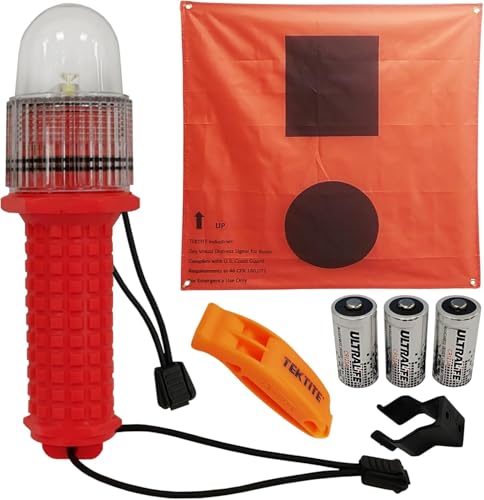
TEKTITE’s SOSeFLARE 5 is a USCG and SOLAS-compliant electronic distress signal with a distress flag and audible signal. It runs on CR123 batteries and can operate for 30+ hours, with batteries that last up to five years when unused. It’s waterproof and floats upright, making it reliable for boats expecting harsh conditions. Best for: Boats needing a long-lasting, legally compliant electronic flare with daytime visibility. Caution: Ensure you have spare batteries and a plan for battery replacement as part of maintenance.
COASTAL ALERT LAUNCHER KIT

This Orion Safety kit includes six red aerial 12-gauge signals and a SOLAS-approved whistle. It’s a straightforward, USCG-approved signaling option suitable for day and night. It’s best for smaller sailboats or day trips where a compact, ready-to-use traditional flare setup is preferred. Caution: Pyrotechnic signaling requires proper training and storage to meet safety and legal standards.
Buying Guide: Key Purchase Considerations
- Regulatory compliance: Confirm USCG or SOLAS approval to ensure legal signaling coverage for your vessel’s region and operation.
- Power source and longevity: Electronic signals rely on batteries; check runtime (hours) and battery life expectations to stay prepared for long passages.
- Visibility and range: Look for signals with bright, 360-degree visibility and high candela ratings, especially for open-water use.
- Weather and submersion tolerance: Devices should be waterproof and, ideally, able to float; note any submersion limits and IP ratings.
- Ease of use and maintenance: Choose user-friendly devices with clear indicators, minimal maintenance, and straightforward battery replacement or recharging.
- Daylight signaling: Consider daylight flags or whistles included in the kit to cover both day and night signaling needs.
- Portability and storage: For small craft, compact, lightweight units that fit in safety kits or life bags are practical choices.
- Compatibility with existing gear: If you already own pyrotechnic flares, decide between replacement options or hybrid kits that complement your current inventory.
Frequently Asked Questions
- What is the difference between electronic distress signals and pyrotechnic flares? Electronic signals use LED or strobe lights and are reusable, while pyrotechnic flares burn for a short time and require replacement after use.
- Are electronic distress signals universally recognized by authorities? Yes, many are USCG-approved replacements and meet or exceed nighttime signaling requirements when used as directed.
- Do these devices need special maintenance? Electronic devices require battery checks and replacement; pyrotechnic kits require storage compliance and periodic inspection.
- Can I replace a full pyrotechnic kit with a single electronic device? In many cases, yes, especially when the electronic device is USCG-approved and includes a daytime signaling option.
- How long should a distress signal remain active after activation? Manufacturer runtimes vary; refer to product specs (hours of operation) and carry spares or replacements as needed.
- What should I consider for a small boat without a dedicated storage cabinet? Opt for compact, all-in-one electronic kits with built-in flags or daylight signaling to save space.