Choosing an eco-conscious antifouling paint helps protect marine environments while keeping hulls clean and efficient. This guide highlights five options that balance low environmental impact with effective fouling protection. Best for regular-use sailboats and powerboats in both salt and fresh water, these selections emphasize low VOCs, water-based formulas, and responsible performance. Each product section explains who it’s best for and notes any important limitations.
| Product | Volume / Color | Key Benefit |
|---|---|---|
| TotalBoat JD Select Ablative (Black, Quart) | Quart | Low-VOC, self-polishing for a full season; good for marinas with environmental restrictions |
| TotalBoat Underdog Marine Antifouling (Black, Gallon) | Gallon | Economical single-season protection; durable finish for frequent use |
| TotalBoat JD Select Ablative (Green, Quart) | Quart | Same low-VOC, self-polishing performance in a color option |
| Quart | Copper-release formulation; simple recoat and launch timing | |
| TotalBoat Outdrive AF Antifouling Paint (Quart) | Quart | Copper-free option for aluminum boats and outdrives; single-season protection |
Below are five carefully selected products and practical guidance to help you choose the right antifouling paint for your boat, environment, and maintenance routine. The descriptions include who should consider each option, the key reasons for selection, and important cautions.
TotalBoat JD Select Ablative Antifouling — Black

This ablative, self-polishing antifouling paint is designed for fiberglass, wood, and steel boats in salt and fresh water. It creates a unique hybrid film that resists barnacles, weeds, and slime for a full season. Best for boats used regularly in varied water conditions. The low-VOC, water-based formula cleans up with soap and water, reducing fumes in marinas. A caution: as an ablative coating, the paint wears away during the season, and some users may need to reapply sooner if the boat remains in water long periods without movement.
TotalBoat Underdog Marine Antifouling — Black
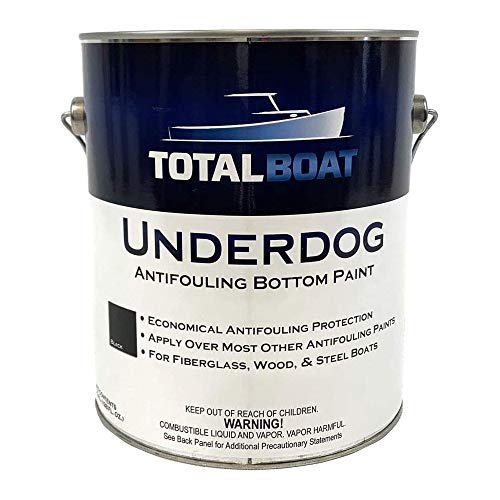
Underdog provides economical single-season protection with a copper biocide to deter barnacles and mussels. It’s suitable for a range of boats, including sailboats and work boats, in all saltwater conditions. Best for boats that are used frequently, as the biocide is actively released as water flows under the hull. The coating can handle trailering and beaching better than some traditional ablatives, but it is still an ablative, so expect gradual wear and some buildup avoidance benefits next season.
TotalBoat JD Select Ablative — Green
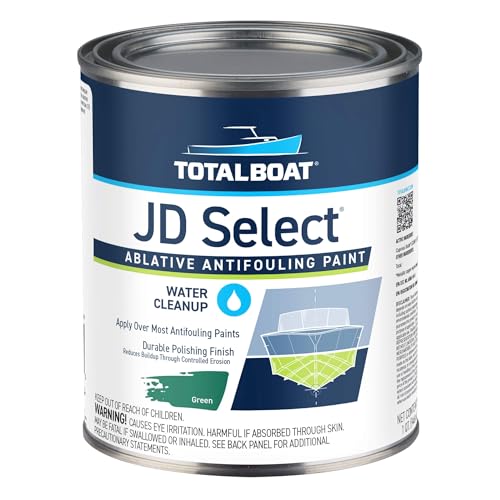
This green variant shares the same benefits as the black JD Select: a low-odor, low-VOC, water-based antifouling that self-polishes to reduce bottom paint buildup. It performs well on fiberglass, wood, and steel boats in salt and fresh water. Best for marinas with environmental restrictions and boaters who want smoother, faster hulls through burnishing for efficiency. Caution: color choice may affect visibility for planning maintenance in some regions.
Rust-Oleum 396967 Marine Antifouling — Quart, Black

This quart is designed to prevent fouling on fiberglass, wood, or steel, releasing copper slowly to deter growth. It offers relatively straightforward reapplication and a launch window with a 16-hour cure guidance. Best for boats that want a copper-based barrier with predictable, simple maintenance. Limitation: copper-based formulations may be more restrictive in certain environmental zones and require careful marina compliance.
TotalBoat Outdrive AF Antifouling — Quart

Outdrive AF is a copper-free option designed for aluminum boats, outdrives, and outboards. It provides single-season protection below the waterline in fresh, salt, or brackish water. Best for aluminum vessels or installations where copper-based paints are unsuitable. A caution: this is a copper-free formula, which may have different performance characteristics compared with copper-containing products on some hull types.
Buying Guide: Key Considerations for Environmentally Friendly Antifouling Paint
What should you look for when selecting eco-friendly antifouling paint?
- Water-based formulas and low VOCs reduce fumes in marinas and boat yards. If you’re sensitive to odors or marina restrictions, prioritize low-odor options.
- Ablative vs. hardening: Ablative paints wear away gradually, reducing buildup but needing reapplication after a season. Harder, non-ablative options may last longer but can accumulate more paint on the hull over time.
- Biocide type: Copper-based paints deter fouling effectively, but copper-free options are available for aluminum hulls or sensitive environments. Consider local regulations and maintenance plans when choosing.
- Compatibility: Ensure the product is rated for your hull material (fiberglass, wood, steel, or aluminum) and water type (salt, fresh, or brackish).
- Launch and recoat timing: Some formulations have specified dry times and recoat windows. Confirm these with marina rules and your schedule.
- Environmental impact: Look for labels or statements about reduced toxins, easy cleanup, and marina-friendly formulations to minimize ecological effects.
Frequently Asked Questions
- What makes antifouling paint “environmentally friendly”?
Answer: It emphasizes low VOC content, water-based formulations, reduced toxic fumes, and marina-compatible cleanup, while delivering effective fouling resistance. - Do ablative paints require more maintenance?
Answer: Ablative paints wear away as the boat moves, which can reduce buildup but may require more frequent reapplication for hulls in continuous use. - Are copper-free options as effective as copper-based ones?
Answer: Copper-free formulas exist for copper-sensitive vessels, but performance varies by water conditions and hull material. Copper-based paints often perform strongly in high-fouling waters. - Can I use these paints on aluminum hulls or outdrives?
Answer: Some products are copper-free and designed for aluminum, outdrives, or outboards. Always verify compatibility before application. - What is the typical recoat window?
Answer: Recoat timing depends on product, environmental conditions, and marina rules. Check the product label and local guidelines for exact timing. - Is water-based paint easier to clean up?
Answer: Yes. Water-based paints generally cleanup with soap and water and produce fewer fumes, making them preferable in many marinas.