Answering the common search: you want durable, color-stable topside paints that work well on fiberglass and stay put above the waterline. This guide highlights five practical options and explains who each is best for, plus a quick buying table to compare key traits. Whether you’re refreshing a sailboat, a motorboat, or a small pleasure craft, these selections balance ease of application, durability, and color performance for American water environments.
Buying quick view: the following table summarizes the five products and who they suit. This helps you decide at a glance which option aligns with your boat type, climate, and maintenance preferences.
| Product | Ideal For | Notes |
|---|---|---|
| Rust-Oleum Marine Topside Paint (White) | Fiberglass or wood above waterline; DIY projects | Oil-based; fast curing |
| TotalBoat Wet Edge Topside (White) | Power boats, sailboats, and RV exteriors | High-gloss polyurethane; easy one-part formula |
| TotalBoat Wet Edge Topside (Sea Foam) | Similar uses; color option | High-gloss polyurethane; multi-surface |
| STAR BRITE Fiberglass Color Restorer | Restoration of faded hulls | Finishing product, not a base paint |
| DURALUX Marine Enamel (Cruiser Blue) | Long-lasting white or blue enamel on multiple surfaces | Single-component enamel |
Rust-Oleum Marine Coatings Topside Paint, White

Features include suitability for fiberglass, wood, or metal surfaces above the waterline and an oil-based formula with excellent leveling. It dries to the touch in 1–2 hours and covers up to 100 square feet. Best for: DIY boat owners seeking a straightforward, durable white topside finish on multiple substrates. Limitation: oil-based paints can require mineral spirits cleanup and longer cure times in cooler conditions.
TotalBoat Wet Edge Topside Marine Paint (White)

This polyurethane-based, one-part formula delivers a durable, high-gloss finish with excellent scratch and chemical resistance. It’s designed for use above the waterline on fiberglass, metal, and wood, and can be applied by roller, brush, or spray. Best for: boaters who want a professional-looking, long-lasting finish with relatively simple application. Caution: ensure proper ventilation and follow cure times between coats.
TotalBoat Wet Edge Topside Marine Paint (Sea Foam)

Like the white variant, Sea Foam offers the same durable, high-gloss marine-grade finish with chemical and UV resistance. It’s also a versatile topper for fiberglass, metal, and wood above the waterline. Best for: owners who want color variety without sacrificing durability. Limitation: color consistency can vary slightly between lots, so sample before large applications.
STAR BRITE Fiberglass Color Restorer
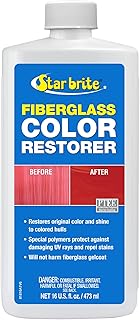
This restorer is designed to bring back original color and shine on faded fiberglass hulls. It includes UV protection polymers to help slow future fading and oxidation. Best for: restoring older boats where the goal is to rejuvenate color rather than apply a brand-new topcoat. Caution: not a substitute for new paint; results rely on the underlying surface condition.
DURALUX Marine Enamel (Cruiser Blue)

Cruiser Blue enamel provides a long-lasting finish that adheres to primed steel, metal, wood, aluminum, and fiberglass. It’s suitable for a range of marine applications, including boats and other structures exposed to saltwater and harsh washings. Best for: users who need a robust enamel option with strong durability. Caution: enamel finishes may require specific surface preparation to maximize adhesion and longevity.
Buying Guide: Key Purchase Considerations
- Surface compatibility: Most topside paints work on fiberglass, but confirm if you’re coating metal or wood as well.
- Finish and gloss: High-gloss polyurethane options provide better color depth and scratch resistance, but may require more careful application.
- Application method: One-part formulas are easier for DIY, while some finishes are best sprayed for uniform coats.
- UV and chemical resistance: For boats exposed to sun and salt, consider products with UV stabilizers and chemical resistance.
- Drying and curing: Check recoat windows and cure times to plan multi-coat projects, especially in variable climates.
- Color options: If you want more than white, select a paint with proven color retention and easy touch-ups.
- Cleanup and maintenance: Oil-based vs water-based options differ in cleanup and odor; plan workspace ventilation accordingly.
Frequently Asked Questions
- What is the best top-side paint for fiberglass? A high-gloss, marine-grade polyurethane topside paint typically offers strong UV resistance, color retention, and abrasion resistance on fiberglass above the waterline.
- Can I use any paint on a fiberglass hull? Not all paints adhere well to fiberglass. Use products explicitly labeled for fiberglass or multi-surface use above the waterline, and follow surface preparation instructions.
- Do I need to prime before painting fiberglass topside? Many topside paints are designed for direct application, but priming can improve adhesion on bare or damaged surfaces. Read product specs for guidance.
- How long does topside paint take to dry? Dry-to-touch times vary by product; some paint dries in 1–2 hours, while full cure may take longer. Verify the manufacturer’s cure times before handling.
- Is restoration paint a good alternative to repainting? Restorers can rejuvenate faded fiberglass, but they are typically not substitutes for full topcoat systems when long-term protection is required.
- What color lasts best on boats? Lighter colors reflect heat and show less fading under sun exposure; however, color stability depends on UV protection in the formula and proper surface preparation.