Answering the buyer’s search intent, this guide highlights antifouling paints and essential flat-bottom boat accessories that keep hulls clean, protected, and aligned on trailers. Ideal buyers include inland skiff and jon boat owners, saltwater and freshwater flat-bottom enthusiasts, and boat trailers seeking simple maintenance and efficient launches. Below you’ll find concise product-by-product comparisons, a practical buying guide, and a short FAQ to help you choose confidently.
| Product | Best For | Key Benefit |
|---|---|---|
| Rust-Oleum Marine Flat Boat Bottom Antifouling Paint | Fiberglass, wood, steel flats | Slow copper release to prevent fouling; quick recoat |
| TotalBoat Underdog Antifouling Bottom Paint | Saltwater and freshwater boats | Single-season protection; easy cleanup |
| TotalBoat JD Select Ablative Antifouling Bottom Paint | Fiberglass, wood, steel boats | Self-polishing coating; low odor and VOCs |
| Sibavexon Flat Bow Stop for Boat Trailers | Flat-bottom boats on trailers | Secure, non-marring alignment |
| STAR BRITE Hull & Bottom Cleaner | Any hull needing stain removal | Stains and growth removal, easy rinse |
Rust-Oleum Marine Flat Boat Bottom Antifouling Paint

Features: Ideal for fiberglass, wood, or steel surfaces to prevent fouling below the waterline; formulated to slowly release copper to deter fouling; recoat in about 4 hours, launch in 16 hours; covers up to 110 sq ft.
Best for: Boats that operate in waters with moderate fouling where a quick return to use matters. This paint provides a straightforward option for flat-bottom hulls that require a simple, effective antifouling layer. Caution: slower copper release can require careful surface prep for maximum adhesion.
TotalBoat Underdog Antifouling Bottom Paint
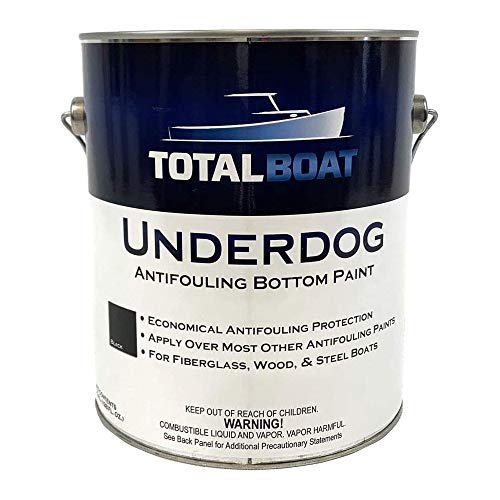
Features: Economical, single-season protection; copper biocide keeps barnacles and mussels from clinging; effective in saltwater conditions; ablative coating wears away as water moves; durable finish resists trailering and beaching better than traditional paints; suitable for fiberglass, wood, and steel boats.
Best for: Frequent-use boats that travel between marinas and bays; easy maintenance with reduced buildup next season. Consideration: best choice when you want minimal sanding at season end due to ablative wear.
TotalBoat JD Select Ablative Antifouling Paint

Features: Unique hybrid film keeps barnacles, weeds, and slime away for a full season; ablative self-polishing coating minimizes buildup; low odor and low VOCs; easy soap-and-water cleanup; suitable for fiberglass, wood, and steel in saltwater and freshwater; no maximum dry time before launch.
Best for: Boats in marinas with environmental restrictions or owners seeking low-VOC options. Choose this if you value easy cleanup and a progressive wear that reduces maintenance.
Sibavexon Flat Bow Stop for Boat Trailers
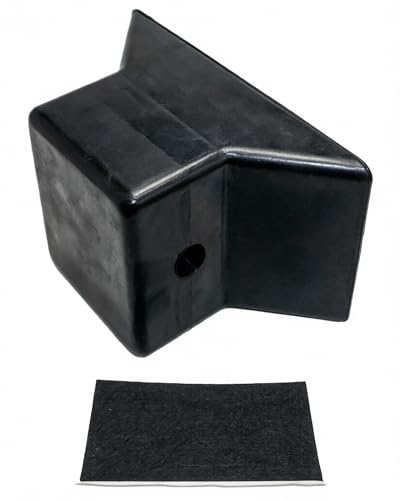
Features: Optimized for flat-bottom boats with a flush 3 x 2.75 inch base; universal fit with a 5-1/2 inch span and 1/2 inch shaft hole; includes a felt pad to protect hull paint and gelcoat.
Best for: Ensuring centered alignment on trailers for flat-bottom boats; precise, non-marring protection during loading, towing, and unloading. Limitation: Only as effective as the trailer bracket compatibility; verify fit before purchase.
STAR BRITE Hull & Bottom Cleaner

Features: Removes stains and marine growth; non-abrasive formula designed to protect hull surfaces; easy application with quick results; rinse to reveal a cleaner hull.
Best for: Flat-bottom hulls needing stain and growth removal without harsh scrubbing. Consideration: Not a paint or antifouling product; use in combination with protective bottom coatings for continued fouling resistance.
Buying Guide: Flat Bottom Hull Boat Purchase Considerations
- Hull material compatibility: Confirm your boat’s hull material (fiberglass, wood, steel) when choosing antifouling paints. Some products are optimized for certain substrates and may require different prep steps.
- Water conditions: For frequent saltwater use, select active antifouling with durable biocides; for freshwater or low-fouling waters, an ablative or economical option may suffice.
- Application and maintenance: Ablative coatings wear away during use, reducing buildup but requiring reapplication next season. In marinas with environmental rules, opt for low-VOC, low-odor formulas and easy cleanup.
- Dry time and launch window: Some products offer quick dry-to-launch times, enabling faster returns to water. Plan painting during dry days with good ventilation.
- Trailer compatibility: When selecting trailer accessories like bow stops, verify fit dimensions (span and shaft hole) to ensure secure, non-marring support for flat-bottom boats.
- Cleaning and prep: Regular hull cleaning helps maintain antifouling efficiency. Use a non-abrasive cleaner to protect the coating’s integrity.
FAQ
- What is a flat-bottom boat antifouling paint best for?
Answer: It is best for reducing barnacle and algae growth on hull bottoms of flat-bottom boats, helping to maintain speed and fuel efficiency in various water conditions. - Do ablative antifouling paints wear away, and is that a problem?
Answer: Ablative paints wear away as the boat moves, which reduces buildup and makes next-season maintenance easier. Reapplication is typically needed each season. - Are low-VOC antifouling paints effective?
Answer: Yes. Low-VOC formulas are designed to minimize fumes and environmental impact while providing protective performance, though drying and cure times may vary. - When should I use a bow stop for a flat-bottom trailer?
Answer: Use a bow stop to keep the hull aligned during loading, towing, and unloading, reducing hull contact and color transfer when matched to the boat’s dimensions. - Can I use cleaner and antifouling paint together?
Answer: Yes, but use a hull cleaner only before applying antifouling paint. Cleaned surfaces ensure better coating adhesion and performance. - Is preparation important for antifouling paint success?
Answer: Yes. Proper surface prep, including removing old coatings, sanding, and cleaning, is essential for optimal adhesion and performance of the antifouling layer.