Looking for a reliable floating rope for boats? This guide highlights five top options designed for mooring, towing, rescue, and general water activity. Each product is evaluated for who it’s best for, what makes it stand out, and any notable limitations. Ideal buyers include boaters needing highly visible lines, kayakers seeking lightweight, durable tow ropes, lifeguards or pool managers requiring buoyant throw lines, and casual anglers needing versatile dock lines. The following table summarizes the five selections to help you compare at a glance.
| Product | Best For | Key Benefit | Limitation |
|---|---|---|---|
| NorthPada Red Floating Rope | Recreational boaters and kayakers | High tensile strength with reflective outer skin | Red color may show wear over time |
| NorthPada Orange Floating Rope | Family boats and paddlers | High visibility orange, easy to identify | Lower tensile strength than heavier-duty options |
| Acostop Lifesaving Rope | Pool lifeguards and poolside use | Includes snap hook and long length | Water exposure may affect durability over months |
| MOOCY Marine-Grade Float Rope | Kayaks and jet skis | High visibility, anti-rotate design | Higher price for premium materials |
| Shappy Floating Rope With Hook | Dock lines and rescue throwing lines | Versatile, solid stainless snap hook | Knots and splicing may take practice |
NorthPada 3/8 Inch Red Floating Rope

This red floating rope is built with a high-strength polypropylene outer skin and a robust inner core. It provides an ultimate tensile force of 12 kN (2,644 lbs) and a working tensile force of 8 kN (1,763 lbs). With a diameter of 3/8 inch and a 32-foot length, it floats and remains visible due to its reflective outer layer, making it ideal for towing, mooring, and rescue tasks. The rope’s buoyancy facilitates quick deployment, and its reflective skin enhances nighttime visibility. Best for boaters who need a strong, easy-to-find line for anchor lines, dock lines, or kayaks. Caution: the rope’s strong tension requires proper knots and handling to avoid injury during throwing or tying operations.
Who it’s best for: Casual and intermediate boaters, kayakers, and campers who require a high-strength, highly visible line that floats. It’s a solid all-around choice for general marine use where visibility and buoyancy matter most.
NorthPada 1/4 Inch Orange Floating Rope

This orange float rope features a high-strength polypropylene outer skin with a strong inner core. It offers a working tensile force of 3.3 kN (740 lbs) and an ultimate tensile force of 4.5 kN (1,011 lbs). With a 32-foot length and 1/4 inch diameter, it floats and remains highly visible due to its reflective orange skin. Best for lighter towing, docking, or rescue tasks where a smaller diameter and ample visibility are needed. Limitation: lower tensile rating compared to heavier-duty ropes, so avoid using it for heavy towing or high-load applications.
Who it’s best for: Kayaks, small boats, and recreational setups where a compact, floatable line is preferred and visibility is crucial.
Acostop Water Floating Lifesaving Rope

This lifeguard-oriented rope is 49.2 feet long with an 8 mm diameter and comes orange for high visibility. It includes a stainless steel snap hook on one end for secure attachments and features hollow-braided construction that supports outdoor use for up to six months. Best for pool lifeguards, pool managers, and waterfront facilities, where a buoyant rope with a secure hook is required. Limitation: designed for short- to mid-term outdoor use; consider longer-term exposure effects for commercial, year-round applications.
Who it’s best for: Pool facilities and water-sport enthusiasts needing a buoyant, easily throw-able rope with a reliable hook for quick rescues or line attachments.
MOOCY Marine-Grade Float Rope
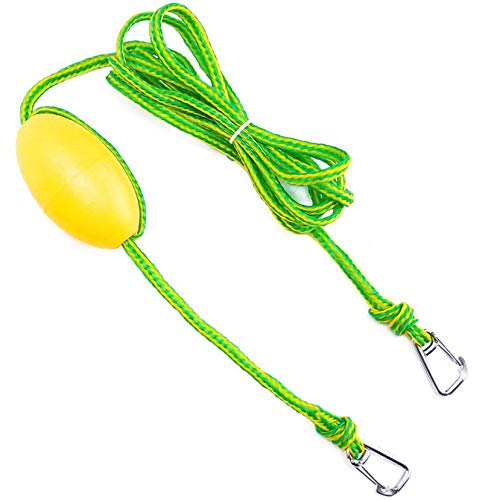
MOOCY’s float rope is built for marine-grade durability with saltwater and sun resistance. It features high-visibility yellow and green colors for easy spotting and a hollow braided interlaced design to resist rotation under load. It performs well as a kayak anchor rope or tow line for jet skis and PWC gear. Best for frequent boating, fishing trips, and water sports where long-term exposure to elements is expected. Limitation: premium materials can come with a higher price point compared with basic ropes.
Who it’s best for: Kayak and PWC owners needing a reliable, rot-resistant line that stays visible in all lighting conditions.
Shappy Floating Rope With Hook

Shappy’s 15-meter orange floating rope comes with a spring hook and a galvanized or stainless steel hook end. The hollow design supports easy splicing and knotting, while the long length aids in rescue or mooring scenarios. Best for dock lines, life-preserver throwing lines, and general rescue tasks. Limitation: general-purpose use may not satisfy high-load towing requirements; ensure the hook and rope are matched to the intended load.
Buying Guide: How To Choose The Right Floating Rope
- Rope Material And Buoyancy: Polypropylene lines float and resist water absorption, making them ideal for most boating tasks. Consider a hollow braid for easier knotting and splicing.
- Diameter And Strength: Larger diameters provide higher tensile strength but weigh more and may be harder to handle. Match diameter to intended load and use case (dock lines, tow ropes, or rescue lines).
- Visibility: High-visibility colors (orange, yellow, or reflective surfaces) help locate lines quickly in water or low-light conditions. Consider reflective outer skins for nighttime safety.
- Hardware Or Hooks: Some ropes include stainless steel hooks or snap hooks. Stainless components resist corrosion in marine environments; verify locking mechanisms and compatibility with your equipment.
- Length For Your Scenario: Longer lines aid in reach for rescue, mooring, or towing but can be cumbersome. Balance length with storage space and handling ease.
- Durability Under Exposure: Marine-grade ropes withstand salt, sun, and abrasion. For frequent exposure, invest in UV- and salt-resistant options and consider maintenance needs.
Frequently Asked Questions
- What is a floating rope and where should I use it?
A floating rope is made to stay on or near the water surface due to buoyancy. Use it for mooring, rescue throws, tow lines for small boats, and life-saving or pool-related applications where buoyancy is beneficial.
- Which rope diameter is best for a kayak?
A 1/4 inch to 3/8 inch diameter is common for kayak use, offering a balance between strength and ease of handling. Heavier loads or towing may require thicker lines.
- Are stainless steel hooks necessary on floating ropes?
Stainless steel hooks resist saltwater corrosion and provide secure attachments. They are advisable in marine environments where corrosion resistance matters.
- Can I use a floating rope for heavy towing?
Yes, but choose a rope with a higher ultimate tensile strength and larger diameter designed for towing. Lighter, decorative lines are not suitable for high-load towing.
- How long should a rope last in pool use?
Durability depends on exposure and maintenance. For frequent outdoor pool use, select rot- and UV-resistant ropes and inspect for wear regularly.