Frameless inflatable pontoon boats offer portable stability, quick setup, and access to shallow waters. This guide highlights five top options ideal for anglers, small-water explorers, and recreational users who want simple, reliable launches without heavy gear. The selections emphasize stability, durability, and convenient features for one-person and small-group outings.
| Product | Best For | Key Benefit |
|---|---|---|
| Sea Eagle 285 Inflatable Frameless Fishing Pontoon Boat | Solo anglers | Stable U-Hull design with ample fishing space |
| CADDIS Portable Inflatable Pontoon Fishing Boat (8/9 ft) | Travel-ready setups | Two frame options with durable, puncture-resistant PVC |
| CADDIS Full Frame Pontoon Fishing Boat (8/9 ft) | Versatile frames | Frame options for additional rigidity and accessories |
| Goplus Inflatable Fishing Float Tube | Budget-friendly angling | Padded seat, motor-ready design, high load capacity |
| BRIS 10.8 ft Inflatable Boat | Rugged use in varied water | Heavy-duty PVC and reinforced seams for durability |
Sea Eagle 285 Inflatable Frameless Fishing Pontoon Boat
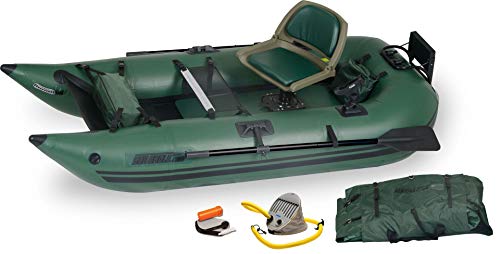
Best for solo fishing trips on lakes, rivers, and bays. The Sea Eagle 285FPB features a unique U-Hull configuration that delivers exceptional stability and abundant fishing space with a light hull. It sets up in about five minutes and fits in a car trunk, making it ideal for anglers who seek portability. The three large air chambers provide buoyancy and safety, while its shallow draft (as little as 4 inches) enables access to areas heavier boats cannot reach. Consider this model if you want a compact, easy-to-transport pontoon that prioritizes fishing room and stability. A potential limitation is setup time for larger gear beyond basic fishing needs, depending on conditions.
CADDIS Portable Inflatable Pontoon Fishing Boat

Best for travelers who want a compact, 1-person setup with versatile frame options. The portable CADDIS model comes in standard and premium configurations: standard with 8-foot pontoons and a steel frame (total about 74.9 lbs), premium with 9-foot pontoons and a lighter aluminum frame (about 55.1 lbs). It’s built with reinforced puncture-resistant PVC and welded seams, offering durability for demanding waters. It includes a drop-stitch seat, adjustable oars, a motor mount (motor sold separately), and multiple attachment points for gear. Choose this if you value durability and modularity, and avoid if you require a lighter, more compact setup beyond the premium option’s weight savings.
CADDIS Full Frame Pontoon Fishing Boat

Best for anglers who want a more stable platform with the option to upgrade to a stronger frame. This full-frame model mirrors the standard premium approach: a steel frame in the standard option or a lightweight aluminum frame in the advanced option, paired with reinforced PVC and welded seams for durability in challenging conditions. It also features an oversized adjustable seat, long collapsible oars, storage baskets, and multiple ports for accessories. Opt for this if you anticipate carrying heavier gear or needing additional mounting points, but be mindful of the higher weight in the standard setup.
Goplus Inflatable Fishing Float Tube

Best for budget-conscious solo anglers who still want a capable inflatable system. The Goplus float tube offers a durable PVC and 600D polyester surface, supporting up to 400 lbs. It includes two aluminum oars, oar locks, and a motor-mount bracket for motors up to 30-65 lbs. The padded seat and adjustable footrest enhance comfort for extended sessions. This model is a solid choice for casual fishing trips or beginners; it’s best avoided if you require a more rigid frame or higher load capacity for heavier equipment.
BRIS 10.8 ft Inflatable Boat
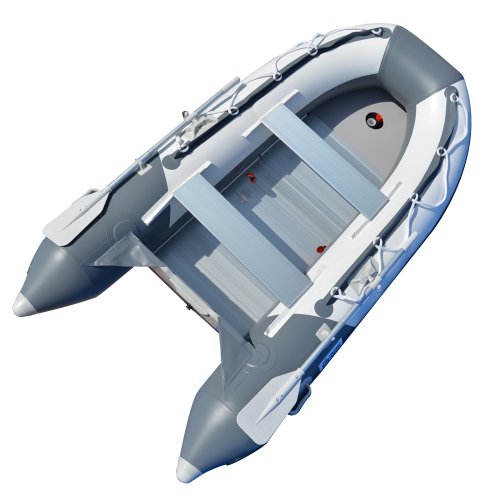
Best for rugged, general-use inflatable boating, including fishing and light transport. BRIS crafts its 10.8-foot inflatable with heavy-duty 1100 Denier PVC and a 0.9 mm thickness, reinforced with stitching and heat-welded seams. The design focuses on durability and all-season performance for both fresh and saltwater environments. It’s a solid pick when you need a reliable, go-anywhere craft with strong seam construction, though it may be heavier and less portable than smaller frameless models.
Buying Guide
How to pick the right frameless inflatable pontoon boat
Consider intended use: solo fishing, recreational day trips, or occasional exploration in shallow waters. Evaluate weight capacity, stability, and stored dimensions to fit your vehicle and storage space.
Frame vs frameless and how it affects performance
Frameless models prioritize lightweight and portability. If you expect to carry extra gear or require a more rigid platform, a frame-supported option might be better. Frames can add weight but improve stiffness for standing or mounting accessories.
Material quality and durability
Look for reinforced PVC, welded seams, and bottom protection. Puncture resistance and UV stability extend the craft’s lifespan in varying water conditions.
Accessories and customization
Check for motor mounts, oar configurations, storage baskets, and accessory ports. A model with multiple attachment points makes it easier to tailor the boat to your fishing or diving needs.
Portability and setup time
Frameless designs typically set up quickly, but some configurations with larger pontoons may take longer. Consider models with simple packing steps if you travel often.
Maintenance and care
Rinse after use to remove salt and sand. Dry thoroughly before storage, inspect seams regularly, and store in a cool, dry place to prevent material aging.
Common limitations to watch
Smaller frameless boats limit payload and storage space compared to larger, frame-supported pontoon boats. Depth and water conditions can also affect stability, especially in rough water.
FAQ
- Q: Are frameless inflatable pontoons stable for standing? A: Stability depends on hull design and load distribution; some are optimized for standing while others prioritize seated fishing.
- Q: Can I mount a motor on frameless inflatable pontoons? A: Many models offer motor mounts or compatibility with electric trolling motors; check the specific product for weight limits.
- Q: How long does setup take? A: Most frameless models pilot quickly, often under 5-10 minutes with practice.
- Q: What maintenance is required? A: Rinse after use, dry fully, inspect seams, and store away from sharp objects.
- Q: Which is best for shallow water access? A: Boats with shallow draft and stability in a frameless design are preferable for accessing shallower waters.
- Q: Is a full-frame option worth it? A: If you need added rigidity, accessory compatibility, or heavier payload, a full-frame model can be advantageous.